Waking up with an itchy arm can be more than just a minor annoyance—it can disrupt sleep, affect mood, and signal underlying health issues. Many people experience this symptom regularly, often dismissing it as dry skin or temporary irritation. However, persistent nighttime itching on the arms may stem from a range of conditions, from dermatological disorders to systemic diseases. Understanding the root causes and knowing how to manage symptoms effectively is essential for both comfort and long-term skin health.
Why Itching Worsens at Night
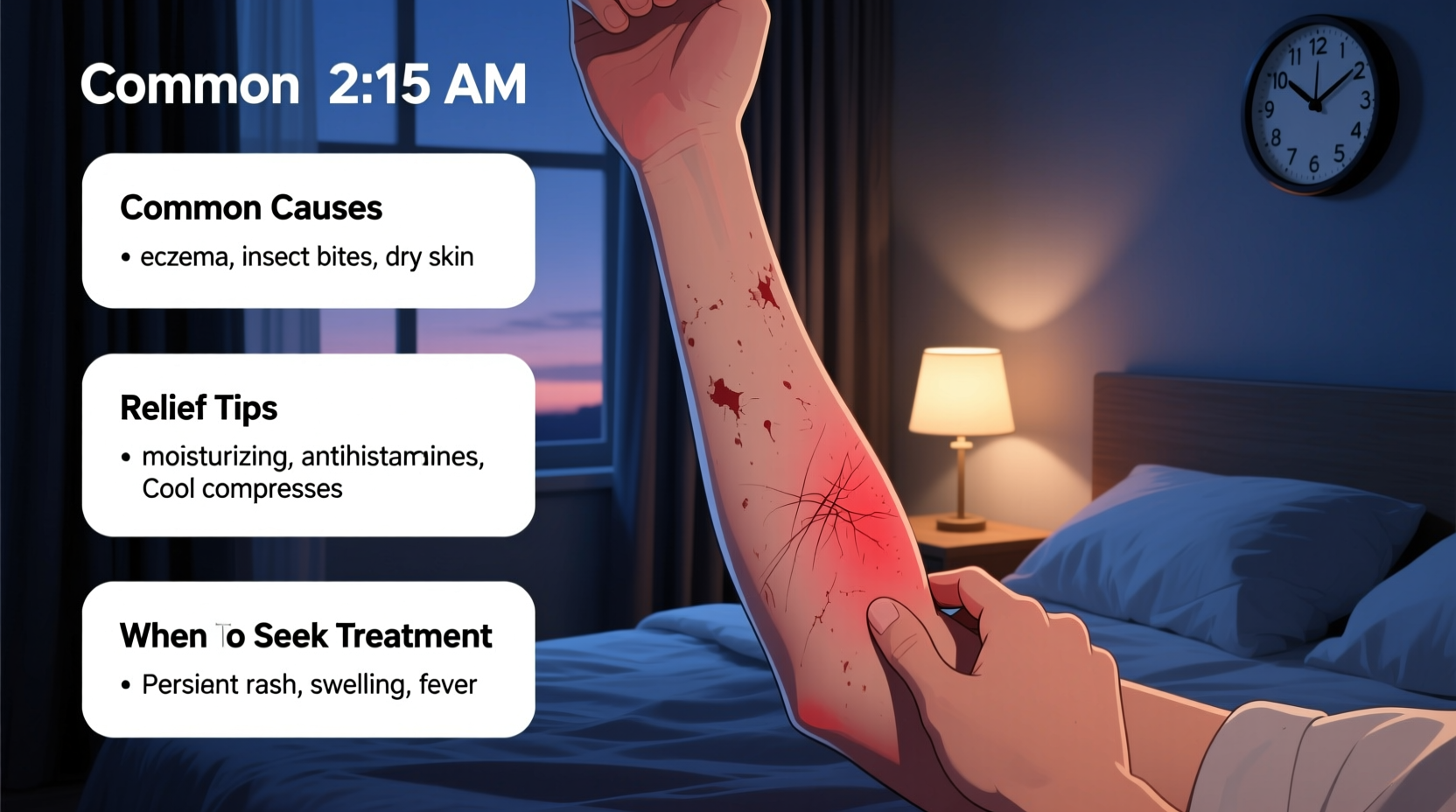
Nighttime intensifies many types of itching due to natural shifts in body chemistry and environmental factors. During sleep, the body’s production of cortisol—a hormone that helps suppress inflammation and itch—decreases. At the same time, blood flow to the skin increases, making nerve endings more sensitive. Additionally, distractions fade at night, allowing attention to focus on discomfort. These combined factors explain why an arm that feels fine during the day might become unbearably itchy after bedtime.
Tip: Keep bedroom temperature cool (65–68°F) and humidity between 40–50% to reduce skin irritation.Common Causes of Itchy Arms at Night
Several medical and environmental factors can trigger or worsen arm itching at night. Identifying the cause is key to selecting the right treatment.
Dry Skin (Xerosis)
The most frequent culprit, especially in colder months, dry skin loses moisture and becomes rough, flaky, and itchy. Low humidity indoors from heating systems exacerbates the condition. The lower arms and elbows are particularly prone due to fewer oil glands.
Eczema (Atopic Dermatitis)
A chronic inflammatory skin condition, eczema often flares at night. It typically appears as red, cracked, and intensely itchy patches on the inner elbows, forearms, or wrists. People with allergies or asthma are more likely to develop eczema.
Contact Dermatitis
This occurs when the skin reacts to an irritant or allergen. Common triggers include laundry detergents, soaps, fragrances, metals (like nickel in watches or bracelets), or fabrics like wool. Symptoms may not appear immediately, leading to confusion about the source.
Insect Bites and Infestations
Bedbugs, scabies, and mosquitoes often bite exposed skin, including the arms. Scabies, caused by microscopic mites burrowing into the skin, produces intense nocturnal itching due to increased mite activity at night. Bedbug bites usually appear in lines or clusters and may swell or blister.
Circulatory Issues
Poor circulation, especially in older adults or those with diabetes, can lead to dry, itchy skin on the limbs. Venous stasis dermatitis, a condition linked to weakened leg veins, can also affect the arms if circulation is broadly impaired.
Systemic Conditions
Itching can be a sign of internal disease. Liver or kidney dysfunction, thyroid imbalances, and even certain cancers (like lymphoma) may present with generalized or localized pruritus. If itching persists without a clear skin cause, medical evaluation is crucial.
“Persistent nocturnal itching should never be ignored. It can be the first clue to an undiagnosed metabolic or immune disorder.” — Dr. Lena Patel, Board-Certified Dermatologist
Relief Strategies and Home Treatments
Immediate relief from nighttime arm itching often involves a combination of topical care, environmental adjustments, and behavioral changes.
Maintain Skin Hydration
Apply a fragrance-free moisturizer immediately after showering while the skin is still damp. Look for ingredients like ceramides, glycerin, hyaluronic acid, or shea butter. Reapply before bed, focusing on itchy areas.
Use Soothing Topical Agents
- Hydrocortisone cream (1%): Reduces inflammation and itching from eczema or contact dermatitis. Use for short durations (up to one week).
- Calamine lotion or colloidal oatmeal creams: Provide cooling relief for irritated skin.
- Antihistamine creams or oral antihistamines: Diphenhydramine (Benadryl) or cetirizine (Zyrtec) can reduce itch signals, though they may cause drowsiness.
Optimize Sleep Environment
Avoid overheating, which triggers sweating and irritation. Wear loose, breathable cotton pajamas and use hypoallergenic bedding. Wash all linens weekly in fragrance-free detergent.
Tip: Run a humidifier in your bedroom during winter to maintain skin moisture levels.Step-by-Step Guide to Managing Nighttime Arm Itch
- Identify patterns: Track when and where the itch occurs. Note any new products, foods, or environmental exposures.
- Eliminate irritants: Switch to unscented soap, detergent, and lotion. Avoid fabric softeners.
- Moisturize daily: Apply emollient twice a day, especially before bed.
- Cool the skin: Use a cold compress or take a lukewarm bath with colloidal oatmeal.
- Trim nails and wear gloves: Prevent skin damage from scratching by wearing cotton gloves at night.
- Try over-the-counter treatments: Use hydrocortisone or antihistamines as needed.
- Consult a doctor: If symptoms persist beyond two weeks or worsen, seek professional diagnosis.
When to See a Doctor
While most cases of itchy arms respond to self-care, certain red flags require prompt medical attention:
- Severe itching that interferes with sleep or daily function
- Spreading rash, blisters, or open sores
- Signs of infection (pus, warmth, swelling)
- Itching in multiple body areas without clear cause
- Associated symptoms like fatigue, weight loss, or yellowing skin
A dermatologist can perform patch testing for allergies, examine skin scrapings for mites, or order blood work to rule out systemic illness.
Treatment Options by Cause
| Condition | Recommended Treatment | Duration |
|---|---|---|
| Dry Skin | Fragrance-free moisturizers, humidifier, gentle cleansers | Ongoing maintenance |
| Eczema | Topical corticosteroids, moisturizers, trigger avoidance | As needed; chronic management |
| Contact Dermatitis | Remove allergen, hydrocortisone cream, oral antihistamines | 1–3 weeks |
| Scabies | Prescription permethrin cream, household decontamination | 1–2 weeks with treatment |
| Systemic Disease | Treat underlying condition (e.g., dialysis, thyroid meds) | Varies |
Real-Life Example: Sarah’s Story
Sarah, a 42-year-old teacher, began experiencing intense itching on her forearms every night. She initially blamed dry skin and used lotion, but the itch worsened. After two months of disrupted sleep, she noticed small red bumps near her watchband. A dermatologist diagnosed allergic contact dermatitis from nickel in her stainless steel watch. Removing the watch and using a prescription cream resolved the issue within ten days. This case highlights how everyday items can trigger persistent symptoms—and why accurate diagnosis matters.
Prevention Checklist
Stay ahead of nighttime arm itching with this actionable checklist:
- ✅ Use fragrance-free, hypoallergenic skincare products
- ✅ Moisturize arms daily, especially after bathing
- ✅ Avoid hot showers—they strip natural oils
- ✅ Wear soft, non-irritating clothing (e.g., cotton)
- ✅ Wash bedding weekly in mild detergent
- ✅ Keep nails short to minimize skin damage from scratching
- ✅ Monitor for new rashes or spreading symptoms
- ✅ Schedule a dermatology visit if itching persists beyond 14 days
Frequently Asked Questions
Can stress cause my arms to itch at night?
Yes. Stress activates the nervous system and can amplify itch sensations. Anxiety may also lead to subconscious scratching during sleep. Managing stress through mindfulness, exercise, or therapy can reduce symptoms.
Is it safe to use hydrocortisone cream every night?
No. Long-term use of steroid creams on thin skin (like the inner arms) can cause thinning, discoloration, or visible blood vessels. Limit use to 7–10 days unless directed otherwise by a doctor.
Could my medication be causing the itch?
Yes. Certain drugs—including opioids, statins, and some blood pressure medications—are known to cause pruritus as a side effect. Discuss any new medications with your healthcare provider if itching began after starting them.
Take Control of Your Comfort
An itchy arm at night doesn’t have to be a nightly struggle. With careful observation, consistent skincare, and timely intervention, most causes are manageable or treatable. Don’t accept sleepless nights as normal. Start with simple changes—moisturize, simplify your routine, and optimize your sleep environment. If symptoms persist, reach out to a healthcare professional. Your skin’s health is a window into your overall well-being, and addressing it early leads to better outcomes.
💬 Have you found a solution that works for your nighttime arm itch? Share your experience in the comments to help others find relief.








