Choosing the right cat litter involves more than odor control and clumping ability—it’s about convenience, safety, and environmental responsibility. One of the most frequently asked questions among cat owners is whether World's Best Cat Litter can be flushed. Marketed as natural, biodegradable, and septic-safe, this corn-based litter has gained popularity for its eco-friendly claims. But does that mean it’s safe to flush? And if not, what are the better alternatives? This in-depth review separates fact from marketing hype and provides practical guidance for responsible disposal.
Understanding Flushability: What It Really Means
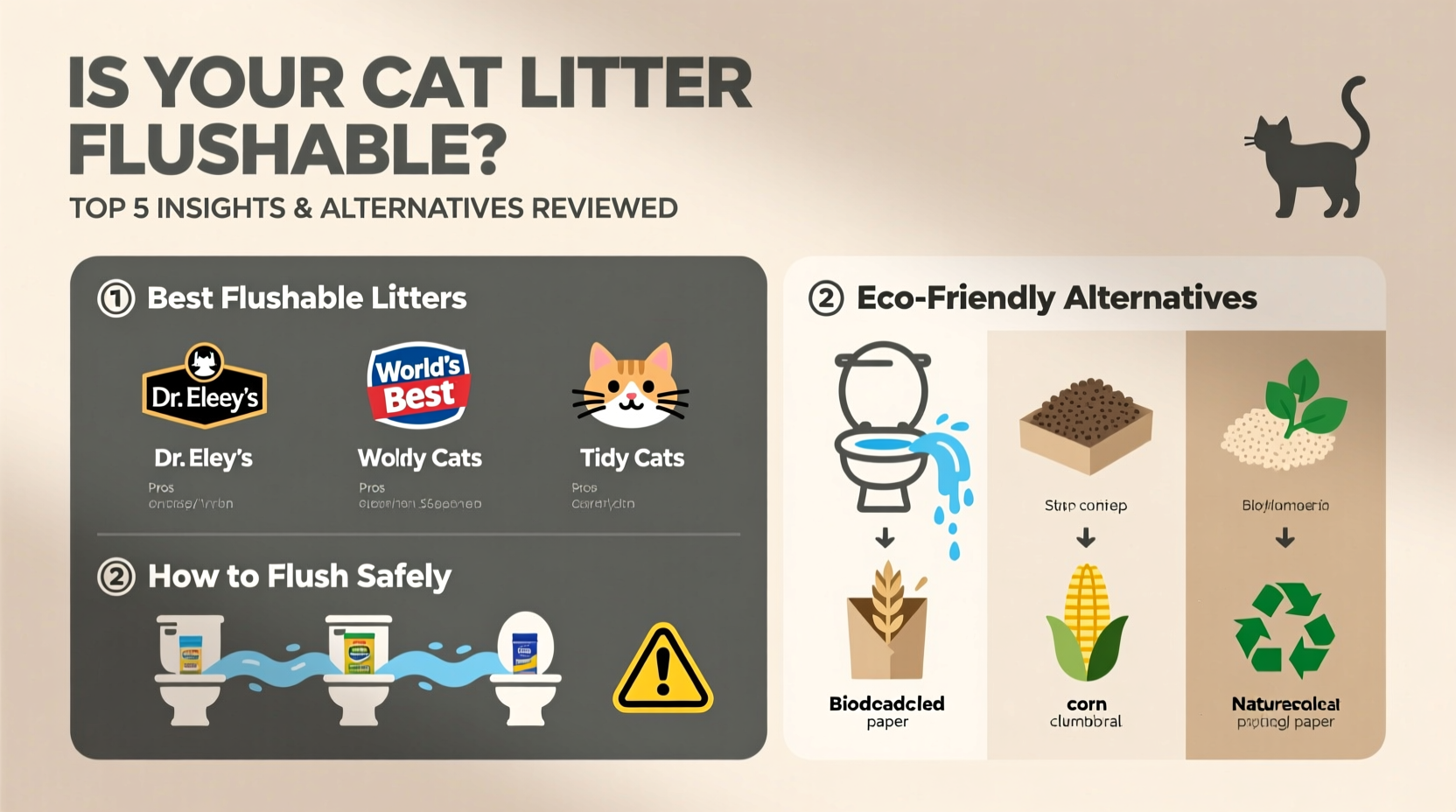
Flushable cat litter suggests it breaks down in water and won’t clog pipes. However, “flushable” doesn’t always mean “safe to flush.” Municipal sewer systems, septic tanks, and wildlife regulations vary widely. Even products labeled as flushable may cause long-term plumbing issues or contribute to environmental contamination.
World's Best Cat Litter uses whole kernel corn as its base, which is naturally absorbent and forms tight clumps when wet. The manufacturer states that their product is “sewer and septic safe,” but explicitly advises against flushing more than one scoop at a time—and only if local regulations permit. This cautious stance reveals a critical nuance: technically possible ≠ universally recommended.
Tip: Always check with your local wastewater authority before flushing any cat litter—even those labeled \"flushable.\"Why Flushing Cat Litter Is Risky—Even When It’s \"Safe\"
Despite assurances, flushing cat litter poses several risks:
- Plumbing clogs: Corn swells significantly when wet. While small amounts may pass through, repeated flushing can lead to buildup in narrow pipes.
- Septic system overload: Organic litters decompose slowly in anaerobic septic environments, potentially disrupting bacterial balance and increasing sludge volume.
- Environmental harm: Toxoplasma gondii, a parasite found in cat feces, survives wastewater treatment and can harm marine life. In coastal areas like California, flushing cat waste is discouraged due to documented impacts on sea otters.
“Flushing cat litter introduces pathogens into waterways that treatment plants aren’t designed to remove. Even biodegradable litters carry ecological risks.” — Dr. Lena Torres, Environmental Microbiologist, University of Oregon
Product Breakdown: World's Best Cat Litter Variants and Flushability
Not all versions of World's Best Cat Litter are created equal. Here's how the major types compare in terms of flush suitability:
| Variety | Base Material | Clumping? | Flushable? | Notes |
|---|---|---|---|---|
| Original Multiple Cat | Whole kernel corn | Yes | Limited (1 scoop) | Highest swelling; avoid frequent flushing |
| Wheat Formula | Wheat | Yes | Limited (1 scoop) | Slightly less dense; still risky in older plumbing |
| Scoopable Lightweight | Corn & natural binders | Yes | No recommendation | Light particles may not break down efficiently |
| Non-Clumping Natural | Corn | No | Not advised | Powdery residue increases clog risk |
The brand’s own guidelines emphasize moderation and caution. They recommend flushing only one clump at a time, using plenty of water, and avoiding use in homes with well water or septic systems under 1,000 gallons. These restrictions suggest that flushability is conditional, not guaranteed.
Step-by-Step: Safer Disposal Practices for Cat Waste
If flushing isn’t advisable, how should you dispose of used litter responsibly? Follow this sequence for minimal environmental impact:
- Scoop daily: Remove clumps promptly to reduce bacterial growth and odor.
- Double-bag waste: Use biodegradable or compostable bags to line a dedicated pet waste bin.
- Seal tightly: Prevent odors and pathogen spread by tying bags securely.
- Dispose in outdoor trash: Place sealed bags in a covered garbage can away from food areas.
- Wash hands immediately: Reduce risk of toxoplasmosis, especially important for pregnant individuals.
Top Eco-Friendly Alternatives to Flushing
For cat owners seeking sustainable solutions beyond landfill-bound plastic bags, several alternatives offer greener outcomes without compromising hygiene.
1. Composting (With Caution)
Specialized pet waste composters like the Envirocycle Pet Waste Composter allow decomposition of cat waste in a contained, aerobic environment. Never use compost containing cat feces on edible gardens. Reserve it for ornamental landscaping only.
2. Biodegradable Litter + Green Bin Programs
In cities with municipal green waste collection (e.g., San Francisco, Seattle), some facilities accept pet waste in certified compostable bags. Confirm eligibility with your provider before participation.
3. Flush-Free Clumping Litters That Decompose Naturally
Consider switching to litters made from rapidly renewable materials that don’t require flushing:
- Natural Walnut Litter: Made from crushed walnut shells; highly absorbent, low dust, fully compostable.
- Pine Pellet Litter: Biodegradable, naturally deodorizing, and ideal for non-clumping setups.
- Recycled Paper Litter: Soft, dust-free, and breaks down quickly in landfills.
Mini Case Study: A Portland Homeowner’s Septic System Failure
Jessica R., a homeowner in Portland, OR, began using World's Best Cat Litter after reading about its natural ingredients. Believing “septic safe” meant “flushable,” she disposed of small clumps down the toilet over six months. By winter, her septic alarm triggered repeatedly. A plumber discovered a partial blockage caused by undigested corn kernels forming a gel-like mass in the outlet baffle.
After a $750 repair and consultation with a septic specialist, Jessica learned that even organic materials need time and specific bacteria to break down—conditions not reliably met in standard residential tanks. She now uses a compostable paper litter and disposes of waste in the green bin program, noting improved system performance and peace of mind.
Frequently Asked Questions
Can I flush World's Best Cat Litter if I have a septic tank?
No, it’s not recommended. While the brand says it’s “septic safe,” this refers to limited, occasional use in large, well-maintained systems. Regular flushing can disrupt microbial balance and accelerate sludge buildup.
Does flushing cat litter harm the environment?
Yes. Toxoplasma gondii from cat feces survives wastewater treatment and has been linked to neurological disease in marine mammals. Many environmental agencies advise against flushing cat waste entirely.
What’s the most eco-friendly way to manage cat litter?
Use a biodegradable, non-clay litter (like pine or walnut) and dispose of it in a municipal composting program where available. Otherwise, double-bag in compostable bags and place in the trash to minimize microplastic pollution.
Checklist: Responsible Cat Litter Management
- ☑ Read local wastewater guidelines before considering flushing
- ☑ Avoid flushing cat feces due to Toxoplasma risk
- ☑ Use biodegradable scooping bags for waste collection
- ☑ Store litter in a dry, sealed container to prevent mold
- ☑ Monitor your septic system if using any organic litter
- ☑ Explore composting options with dedicated pet waste bins
Conclusion: Making Smarter, Safer Choices
While World's Best Cat Litter offers a plant-based alternative to dusty clay litters, its flushability claims require careful interpretation. Convenience should never override public health or environmental responsibility. The safest practice remains disposing of cat waste in sealed bags through regular trash collection—especially when safer alternatives exist.
By choosing compostable litters, supporting green waste programs, and staying informed about local regulations, cat owners can maintain cleanliness without compromising sustainability. Your choices today shape both your home’s hygiene and the planet’s future.
💬 Have experience with flushable litters or composting cat waste? Share your story in the comments to help fellow pet owners make informed decisions.








