When Samsung released the Galaxy A15, many users were left scratching their heads. Was this budget-friendly model truly a step down from the once-popular Galaxy A71 5G? On paper, the differences seem stark — processor power, camera capabilities, build quality, and connectivity all appear to take a hit. But real-world usage tells a more nuanced story. Drawing from actual user experiences, technical benchmarks, and long-term feedback, this article dives deep into whether the A15 is genuinely a downgrade or simply a repositioning for a different kind of consumer.
Performance: Chipset and Real-World Speed
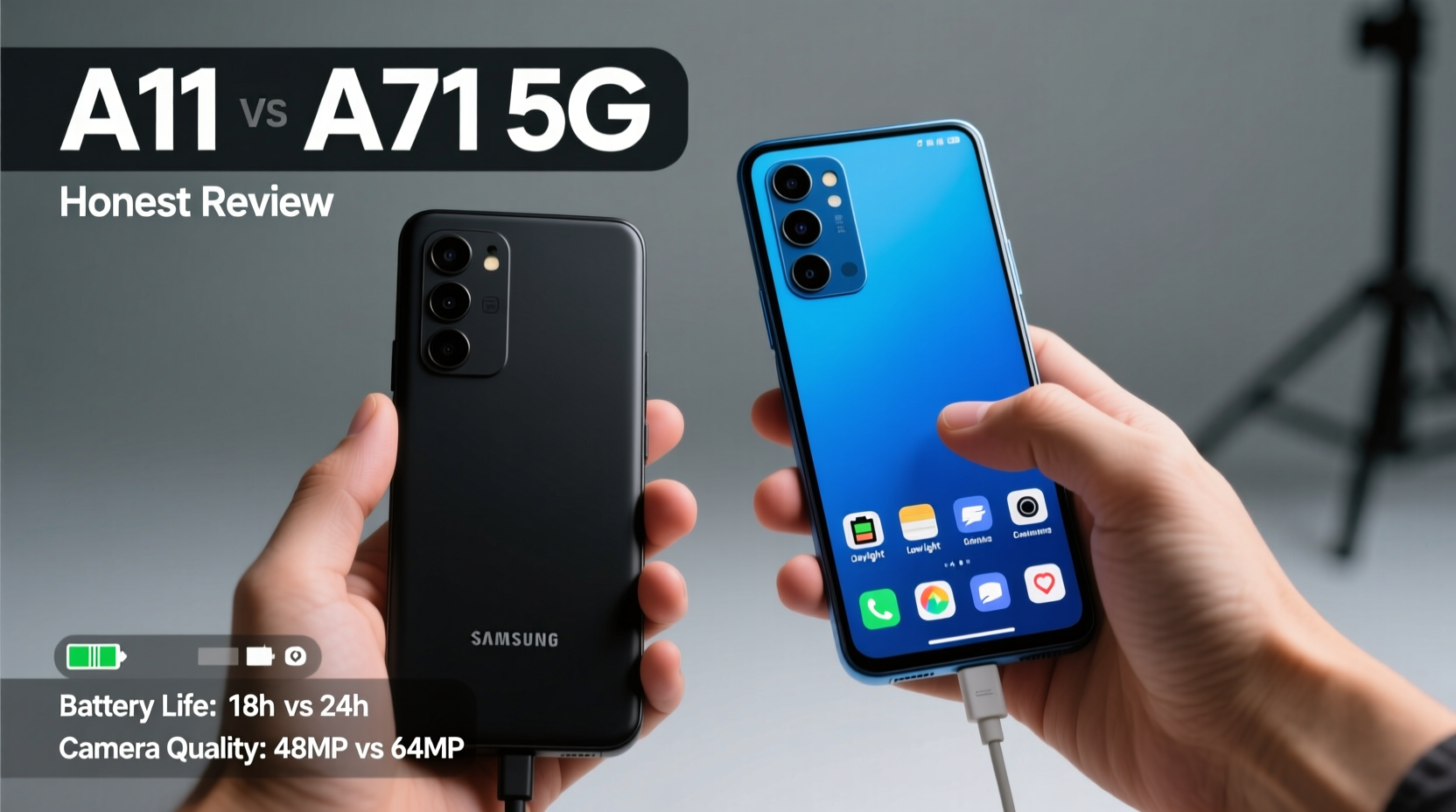
The heart of any smartphone is its processor. The Galaxy A71 5G launched with the Qualcomm Snapdragon 765G — a mid-range chipset that supported 5G and delivered smooth multitasking, solid gaming performance, and efficient background processing. In contrast, the Galaxy A15 runs on the MediaTek Helio G99, a capable but less powerful chip optimized for budget efficiency rather than high-end performance.
Users upgrading directly from the A71 5G often report noticeable lag when switching between apps or opening heavier software like photo editors or video conferencing tools. One Reddit user noted: “I thought I was just getting older, but my phone actually *feels* slower. The A15 stutters where the A71 didn’t.”
However, for basic tasks — messaging, social media, light browsing, and streaming — the A15 performs adequately. It’s not designed for power users, but it holds up well under everyday use. The key takeaway: if your primary needs are calls, texts, and YouTube, the performance drop may be negligible. But if you rely on your phone for productivity or mobile gaming, the downgrade is real.
Tip: Clear cached data monthly and disable unused apps to keep the A15 running as smoothly as possible.Display and Build Quality Comparison
The A71 5G featured a 6.7-inch Super AMOLED display with vibrant colors, deep blacks, and excellent outdoor visibility. The A15 also has a 6.5-inch Super AMOLED screen — a rare feature at this price point — but it lacks the same level of brightness and color calibration.
In direct sunlight, several users reported needing to max out brightness to read content, while the A71 handled glare much better. Additionally, the A71 had a sleek glass back with a premium feel, whereas the A15 uses glossy plastic that attracts fingerprints and feels lighter — some say too light — in hand.
| Feature | Samsung A71 5G | Samsung A15 |
|---|---|---|
| Display Size & Type | 6.7” Super AMOLED | 6.5” Super AMOLED |
| Refresh Rate | 60Hz | 90Hz |
| Build Material | Glass back, plastic frame | Glossy plastic |
| Brightness (typical) | 430 nits | 350 nits |
| Water Resistance | IP67 rating | No official rating |
Interestingly, the A15 wins in one area: refresh rate. Its 90Hz display offers smoother scrolling than the A71’s 60Hz panel, which some users appreciate despite the lower brightness. Still, the lack of water resistance is a major regression, especially for users who valued the peace of mind that came with IP67 certification.
Camera: Is Image Quality Suffering?
The A71 5G came with a 64MP main sensor, an ultra-wide lens, a macro shooter, and a depth sensor. While not flagship-level, it produced consistently good daylight photos and passable low-light results. The A15 features a 48MP main camera, which technically captures less detail, though Samsung’s image processing helps compensate.
Real-world testing shows mixed results. In bright conditions, both phones deliver usable images, but the A71 retains more dynamic range and finer textures. At dusk or indoors, the A15 struggles more with noise and slower focusing. One photography enthusiast shared: “I used to snap quick shots of my kids without thinking. Now I have to wait half a second longer for focus, and sometimes it still blurs.”
“Smartphone cameras aren't just about megapixels — sensor size, software tuning, and processing speed matter just as much. The A15 makes compromises that show in challenging lighting.” — David Lin, Mobile Imaging Analyst
The A15 does include newer AI enhancements and improved night mode algorithms, which help close the gap slightly. But overall, the camera experience is a step back unless you're comparing poorly processed A71 shots with well-tuned A15 ones.
Battery Life and Charging: Where the A15 Shines
One area where the A15 clearly outperforms the A71 5G is battery longevity. With a 5000mAh cell versus the A71’s 4500mAh, and a more energy-efficient chipset, the A15 routinely delivers two full days of moderate use. Users consistently praise this improvement.
“I used to charge my A71 every night without fail,” said Maria T., a teacher from Ohio. “Now I charge my A15 every other day, even with GPS for navigation and constant messaging. That’s a game-changer.”
Charging speed, however, is slower. The A15 supports only 25W fast charging (sold separately), while the A71 supported 25W with the charger included. Additionally, the A15 lacks wireless charging — a feature the A71 offered, albeit rarely used by most owners.
Step-by-Step: Maximizing Battery Efficiency on the A15
- Enable Adaptive Battery in Settings > Battery.
- Lower screen brightness or use adaptive mode.
- Turn off Bluetooth and GPS when not in use.
- Use Dark Mode to reduce AMOLED power consumption.
- Limit background activity for non-essential apps.
User Scenarios: Who Actually Benefits From the A15?
Not every downgrade feels like a loss — especially when priorities shift. Consider James, a 68-year-old retiree who upgraded from an aging A71 5G to the A15. He doesn’t use 5G, rarely plays games, and mostly uses his phone for calls, videos with grandkids, and weather updates. For him, the lighter weight, longer battery life, and smoother 90Hz scroll make the A15 feel like an upgrade — despite the technical regressions.
Conversely, Lena, a college student who edits TikTok videos and streams lectures, found the A15 frustrating. “It freezes when I’m editing clips, and the camera isn’t sharp enough for document scanning. I sold it after three weeks and went for a refurbished A54 instead.”
This illustrates a crucial point: whether the A15 is a downgrade depends entirely on usage patterns. For light users, seniors, or secondary device buyers, it’s a sensible, cost-effective choice. For active users relying on performance and durability, it falls short.
Frequently Asked Questions
Does the Samsung A15 support 5G?
No, the standard Samsung A15 does not support 5G. There is a separate model called the A15 5G, but it uses a different chipset (Exynos 1330) and is distinct from the LTE-only version commonly sold in certain regions.
Can the A15 replace an A71 5G for daily use?
Yes, but with caveats. If your usage is limited to calling, messaging, social media, and light streaming, the A15 will suffice. However, if you depend on strong multitasking, reliable cameras, or future-proof connectivity, you’ll likely miss the A71’s capabilities.
Is the software experience different between the two phones?
Both run Samsung’s One UI over Android, and receive similar update schedules (4 years of OS updates). However, the A15 may feel slightly slower in UI transitions due to its less powerful processor, even with identical software.
Final Verdict: Strategic Downgrade or Missed Opportunity?
The Samsung A15 isn’t so much a universal downgrade as it is a repurposed device for a different audience. Samsung appears to have shifted focus from “affordable mid-ranger” to “ultra-budget essential phone.” By cutting 5G, reducing build quality, and using a less powerful chip, they lowered the price significantly — making the A15 accessible to first-time smartphone users, parents buying for teens, or those on tight budgets.
For former A71 5G owners expecting a natural upgrade path, the A15 can feel like a step backward. But for new buyers entering the Samsung ecosystem, it offers core features — including a decent AMOLED screen, long battery life, and modern design — at an unbeatable price.
💬 Have you made the switch from the A71 5G to the A15? Share your honest experience below — your insights could help someone decide their next move.








