
In an era where smartphones buzz with notifications 24/7, social media feeds never sleep, and remote work blurs the line between office and home, it’s no surprise that people are seeking escape. Enter digital detox retreats—sanctuaries promising disconnection from screens, reconnection with self, and immersion in nature. These getaways have surged in popularity over the past decade, with resorts from Bali to upstate New York offering Wi-Fi-free zones, meditation sessions, and tech surrender rituals. But as demand grows, so does scrutiny: Are these retreats truly transformative, or are they simply another indulgence for the privileged few?
The answer isn’t straightforward. While digital detox retreats offer tangible benefits for mental clarity and emotional balance, their high costs, exclusive locations, and curated experiences raise valid questions about equity and long-term impact. This article examines the phenomenon beyond the marketing gloss, analyzing who benefits, what alternatives exist, and whether unplugging should be a right—not a luxury.
The Allure of Unplugging: Why Detox Retreats Work
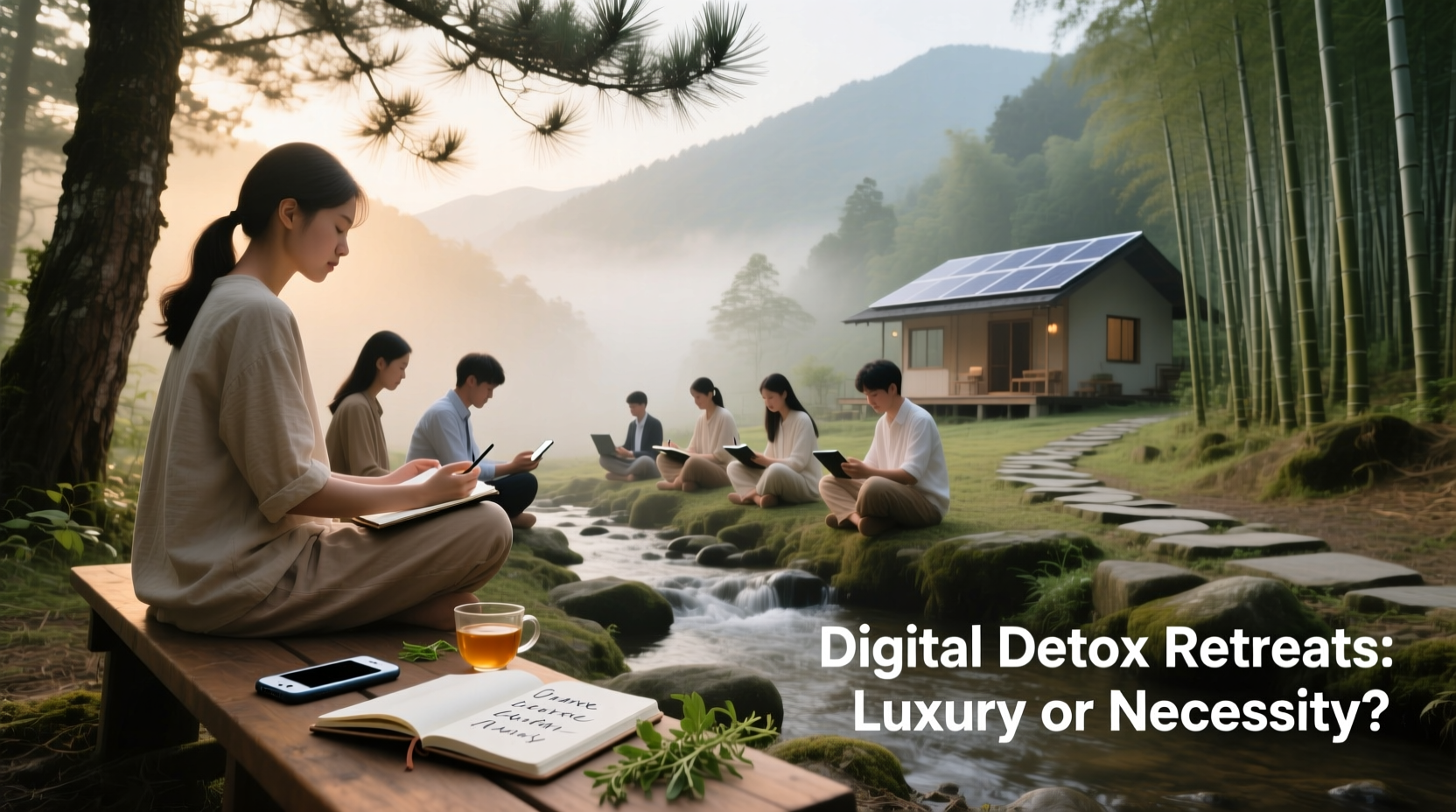
Digital overload is not just a buzzword; it’s a public health concern. Studies show that excessive screen time correlates with increased anxiety, disrupted sleep patterns, and reduced attention spans. The average adult spends over six hours daily on digital devices, often without conscious intention. Digital detox retreats respond to this crisis by creating environments where disconnection is not only possible but enforced.
At their best, these retreats provide structure: guided mindfulness practices, analog activities like journaling or hiking, and communal meals free from phones. The absence of constant stimulation allows participants to recalibrate their nervous systems. Many report improved mood, sharper focus, and a renewed sense of presence after even a short stay.
“Stepping away from digital noise creates space for introspection. It’s not about rejecting technology, but reclaiming agency over how we engage with it.” — Dr. Lena Torres, Cognitive Behavioral Therapist and Digital Wellness Researcher
The psychological reset offered by these retreats mirrors principles found in cognitive behavioral therapy, particularly around habit disruption. Removing habitual triggers—like checking email first thing in the morning—can break automatic behaviors and open pathways for intentional living.
Luxury vs. Accessibility: Who Can Afford to Disconnect?
Despite their wellness promise, most digital detox retreats remain financially out of reach for the average person. A seven-day program at a premium retreat in Sedona or Tuscany can cost upwards of $3,000—excluding travel. Add childcare, lost wages, and transportation, and the total investment becomes prohibitive for many.
This exclusivity frames digital detoxing as a lifestyle upgrade rather than a necessary mental health intervention. Critics argue that while low-income workers face relentless digital demands—from gig economy apps to always-on communication tools—they lack both time and resources to participate in structured disconnection.
Moreover, the aesthetic of these retreats often reinforces class divides: minimalist cabins, organic meals, yoga instructors flown in from abroad. The messaging leans into serenity and self-optimization, which resonates more with affluent audiences already invested in personal development trends.
Tip: You don’t need a luxury retreat to begin a digital detox. Start small: designate one hour each evening as screen-free time.Alternatives to High-End Retreats
While retreats offer immersive experiences, meaningful disconnection doesn't require a passport or a five-figure budget. Several accessible strategies can replicate key benefits without the price tag.
- Local nature immersion: Spend weekends hiking, camping, or volunteering outdoors. Natural settings inherently reduce sensory overload.
- Home-based detox challenges: Try a 24-hour or 72-hour digital fast. Inform contacts in advance and use landlines or paper planners during the period.
- Community programs: Libraries, community centers, and religious organizations sometimes host tech-free workshops or silent reading nights.
- Workplace initiatives: Advocate for “no-email Fridays” or meeting-free afternoons within your organization.
Cities like Amsterdam and Seoul have begun piloting public digital wellness programs, including designated phone-free parks and mindfulness zones in transit hubs. These efforts signal a shift toward treating digital balance as a collective responsibility, not just an individual pursuit.
A Closer Look: Real Impact Through a Case Study
Sophie, a 34-year-old project manager in London, booked a ten-day digital detox retreat in Portugal after months of burnout. She described her typical workday as “a loop of Slack messages, Zoom calls, and late-night emails.” Despite earning a solid income, she felt trapped by the expectation of constant availability.
At the retreat, all devices were collected upon arrival. Days followed a rhythm of silent walks, group discussions, and hands-on activities like pottery and cooking. Initially anxious, Sophie reported feeling “lighter” by day four. She noticed physical changes too—better sleep, less eye strain, and reduced shoulder tension.
Upon returning, she implemented boundaries: no phones during meals, turning off non-essential notifications, and scheduling “focus blocks” without digital interruptions. Her productivity didn’t decline—in fact, it improved. However, she acknowledged the privilege behind her experience: paid leave, savings to cover costs, and supportive management.
“It wasn’t the location that changed me,” she reflected. “It was being given permission—to slow down, to breathe, to exist without performing. That’s what most people don’t have access to.”
Do’s and Don’ts of Effective Digital Detoxing
| Do | Don’t |
|---|---|
| Set clear intentions before starting a detox (e.g., reduce anxiety, improve sleep) | Attempt a full digital blackout without preparation |
| Inform colleagues, friends, and family about your unavailability | Expect immediate results—mental recalibration takes time |
| Replace screen time with tactile activities (reading, drawing, walking) | Use the detox as an excuse to avoid responsibilities |
| Reflect afterward on what habits you want to maintain | Return to old patterns immediately post-detox without planning |
| Start with short breaks (e.g., one screen-free evening per week) | Shame yourself for occasional relapses into device use |
Building Sustainable Habits: A Step-by-Step Guide
Lasting change comes not from one-off retreats, but from integrating mindful tech use into daily life. Follow this timeline to cultivate sustainable digital wellness:
- Week 1: Audit Your Usage
Track how much time you spend on devices and identify primary stressors (e.g., social media, work emails). - Week 2: Designate Tech-Free Zones
Choose specific areas or times—like the bedroom or dinner table—where devices are banned. - Week 3: Implement Notification Hygiene
Turn off non-essential alerts. Keep only critical communications enabled. - Week 4: Introduce Analog Alternatives
Swap e-books for print, digital notes for notebooks, streaming for live music or silence. - Month 2+: Evaluate and Adjust
Assess improvements in sleep, focus, and mood. Refine routines based on what works.
This gradual approach mirrors behavioral science principles of habit formation. Small wins build confidence and make long-term adherence more likely.
Expert Insight: Is Detoxing Enough?
While detox retreats spotlight the problem of digital saturation, experts caution against viewing them as standalone solutions. True resilience requires systemic shifts—not just personal discipline.
“We’re asking individuals to solve a structural issue. Employers demand instant replies. Platforms are engineered to maximize engagement. Until we address these forces, detoxes will remain temporary fixes.” — Dr. Arjun Mehta, Sociologist specializing in digital culture
He points to countries like France, where labor laws prohibit employers from contacting staff outside working hours, as examples of policy-level progress. Without similar protections elsewhere, the burden falls disproportionately on individuals—especially those without the means to retreat.
FAQ
Are digital detox retreats effective in the long term?
Results vary. Many participants experience immediate relief, but long-term success depends on post-retreat integration. Those who adopt ongoing practices—such as scheduled screen breaks or digital curfews—tend to sustain benefits longer.
Can I achieve the same results at home?
Yes. While retreats offer ideal conditions, consistent at-home efforts can yield comparable outcomes. Key factors include environmental design (e.g., charging phones outside the bedroom), accountability (e.g., family agreements), and realistic goal-setting.
Do I need to give up all technology to detox?
No. The goal isn’t abstinence, but intentionality. Most experts advocate for *mindful* tech use—choosing when, why, and how you engage with devices—rather than complete elimination.
Checklist: Building Your Personal Digital Detox Plan
- ☐ Define your reason for detoxing (e.g., better sleep, less anxiety)
- ☐ Choose a timeframe (24 hours, weekend, week)
- ☐ Notify important contacts of your unavailability
- ☐ Remove temptations (log out of social media, install app blockers)
- ☐ Prepare alternative activities (books, puzzles, outdoor gear)
- ☐ Set up a device-free zone at home
- ☐ Schedule reflection time after the detox to assess impact
Conclusion
The rise of digital detox retreats reflects a genuine cultural reckoning with our relationship to technology. They are neither frivolous nor universally accessible—but they do serve as powerful symbols of a growing desire for balance. For some, they provide life-changing resets. For others, they highlight how far wellness has strayed from equity.
Rather than dismissing these retreats as mere luxuries, we should use them as catalysts for broader change. Imagine workplaces that respect boundaries, schools that teach digital literacy, cities that prioritize offline spaces. Disconnection shouldn’t be a commodity. It should be a fundamental part of modern well-being.
💬 What does digital balance look like for you? Share your thoughts, challenges, and small wins in the comments. Let’s redefine detoxing—not as an escape, but as a step toward a more human-centered digital world.








