The world of plush toys has seen a dramatic shift in recent years, with internet-born characters—especially cartoon cats—taking center stage. From viral TikTok sensations to limited-edition drops selling out in minutes, these whimsical feline figures have captured attention like never before. But beneath the hype lies a deeper question: Is this just another fleeting social media trend, or is it reshaping the future of plush collectibles? Meanwhile, classic plush animals continue to dominate shelves in toy stores and children’s bedrooms worldwide. To understand where the industry is headed, we need to examine cultural shifts, collector behavior, production trends, and emotional appeal.
The Rise of the Cartoon Cat Plush
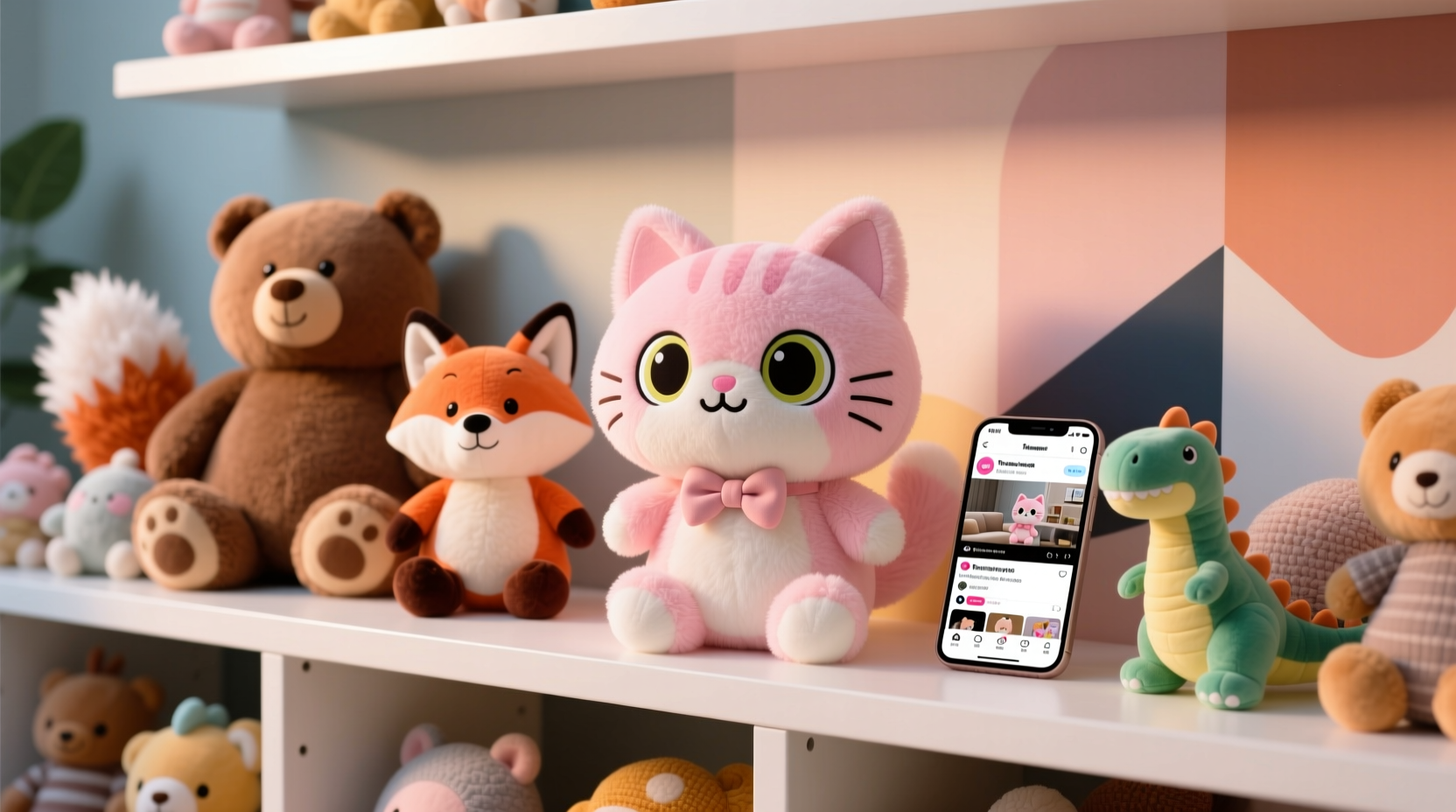
In the past five years, cartoon cat plushes—often stylized with exaggerated features, bold colors, and meme-inspired expressions—have surged in popularity. Characters like Sanrio’s Hello Kitty have long been icons, but newer designs from indie artists and digital creators are redefining what a “plushie” can be. These aren’t your average stuffed animals; they’re fashion statements, emotional support companions, and even status symbols within online communities.
Social media platforms like Instagram and TikTok have played a pivotal role. Viral videos showcasing unboxings, customizations, and themed displays have turned plush collecting into a visual culture. One standout example is the \"Cattitude\" series by a small Japanese designer collective, which sold over 50,000 units globally in under six months despite no traditional advertising.
Tip: Follow independent plush designers on social media—they often release limited runs that gain significant value post-sale.Traditional Plushies: Enduring Appeal
While cartoon cats grab headlines, traditional plush animals remain a cornerstone of the toy industry. Brands like Steiff, Jellycat, and GUND continue to thrive, offering high-quality, soft, and huggable designs aimed at comfort and nostalgia. These plushies are often purchased as gifts for babies, toddlers, or loved ones during emotional moments—birthdays, hospital visits, or memorials.
Jellycat, for instance, reported a 34% increase in global sales in 2023, driven largely by adult buyers seeking tactile comfort. Their Bashful Bunny and Rainbow Friends collections have become staples in homes across North America and Europe. Unlike many cartoon cat plushes, these are designed for longevity, made with safety-certified materials and minimal electronic components.
“Plush toys tap into deep emotional wiring—they represent safety, memory, and unconditional affection. That doesn’t go out of style.” — Dr. Lena Torres, Child Psychologist & Play Therapy Researcher
Market Comparison: Trend vs. Tradition
To assess staying power, it helps to compare key aspects of both categories. The table below outlines critical differences in design, audience, availability, and longevity.
| Feature | Cartoon Cat Plush | Traditional Plushies |
|---|---|---|
| Design Style | Exaggerated, kawaii, meme-influenced | Realistic or gently stylized, soft aesthetics |
| Target Audience | Teens, young adults, collectors | Children, gift-givers, comfort seekers |
| Availability | Limited editions, online-only drops | Widely available in retail stores |
| Lifespan (per owner) | Varies—some kept for years, others resold quickly | Often retained long-term, passed down |
| Price Range | $25–$150+ (rare variants higher) | $15–$60 |
| Cultural Impact | High virality, short-term buzz | Steady presence, low turnover |
Why Cartoon Cats Caught On—and Whether It Lasts
The success of cartoon cat plushes isn't accidental. Several cultural and psychological factors explain their rise:
- Digital Nostalgia: Many millennials and Gen Z consumers grew up with internet memes featuring cats. A plush version of a pixel-art cat or one with deadpan expression feels like a physical piece of online culture.
- Customization Culture: Collectors enjoy modifying plushes—adding patches, embroidery, or LED eyes—turning them into unique art pieces.
- FOMO Marketing: Brands use scarcity tactics (“only 500 made”) to drive urgency, similar to sneaker drops.
- Emotional Resonance: Despite their quirky looks, many cartoon cat plushes are marketed as “mental wellness buddies,” appealing to rising interest in emotional self-care.
However, sustainability remains a concern. Some cartoon cat lines vanish after one season, leaving fans frustrated. Others face criticism for inconsistent quality or overpricing. Without strong brand trust or emotional continuity, these products risk becoming disposable novelties.
Mini Case Study: The Tale of “Luna the Glitch Cat”
In early 2023, an indie artist named Mina Kwon launched “Luna the Glitch Cat”—a plush with mismatched button eyes, a crooked smile, and circuit-board fabric patches. Marketed as a symbol of embracing imperfection, it gained traction among mental health advocates. Within three months, it was featured in two online therapy newsletters and sold out its 1,000-unit run.
But when a larger company licensed the design for mass production, the new version lacked the handmade charm. Fans complained about stiffer fabric and less expressive faces. Sales spiked initially but dropped sharply after six months. The original artisan continues to sell custom versions at craft fairs, while the mass-market edition sits discounted in clearance bins.
This case illustrates a key challenge: authenticity matters. When novelty overshadows substance, even the cutest cat may not survive.
Expert Insight: What Collectors Really Want
According to market analyst Raj Patel of ToyTrend Insights, long-term popularity hinges on emotional connection, not just aesthetics.
“The most successful plush lines aren’t just cute—they tell a story. Think Care Bears, Pokemon, or Pusheen. The cartoon cat trend has storytelling potential, but only if brands invest in character depth, not just design.” — Raj Patel, Senior Analyst, ToyTrend Insights
Patel notes that franchises with ongoing narratives—webcomics, animated shorts, or interactive apps—tend to sustain interest longer. Plushes tied to such ecosystems see repeat purchases and higher resale values.
How to Build a Meaningful Plush Collection
Whether you're drawn to cartoon cats or classic teddy bears, building a lasting collection requires intention. Here’s a step-by-step guide:
- Define Your Purpose: Are you collecting for fun, investment, emotional comfort, or display?
- Set a Budget: Decide how much you’re willing to spend monthly to avoid impulse buys.
- Research Designers: Follow reputable makers on social media and join collector forums.
- Check Materials: Look for OEKO-TEX certified fabrics and secure stitching, especially for kids.
- Store Properly: Keep plushes in dust-free containers away from sunlight to prevent fading.
- Track Value Trends: Use platforms like eBay or CollectorSquare to monitor resale prices.
Plush Collecting Checklist
- ☐ Identify your favorite theme (e.g., animals, fantasy, retro)
- ☐ Join at least one online community (Reddit, Discord, Facebook group)
- ☐ Set up alerts for restocks or new releases
- ☐ Inspect all seams and attachments upon arrival
- ☐ Document your collection with photos and purchase dates
- ☐ Avoid over-cleaning—spot clean only unless necessary
FAQ: Common Questions About Plush Trends
Are cartoon cat plushes safe for children?
It depends on the product. Many are designed for adult collectors and may include small parts like plastic eyes or magnets. Always check age recommendations and safety certifications before giving any plush to a child.
Can I wash a cartoon cat plush?
Most can be spot-cleaned with a damp cloth and mild detergent. If machine washing is needed, place it in a pillowcase and use cold, gentle cycle. Air dry completely. Avoid submerging plushes with electronic components.
Will my cartoon cat plush increase in value?
Possibly—if it’s part of a limited run, well-documented, and stored in mint condition. However, treat plush collecting as a passion, not an investment strategy. Only a small percentage of items appreciate significantly.
Conclusion: Trends Fade, Emotion Endures
The cartoon cat plush trend is undeniably influential, reflecting how digital culture shapes physical desires. Its vibrancy, humor, and community-driven nature offer something traditional plushies sometimes lack: a sense of belonging in a chaotic world. Yet, classic plush animals endure because they fulfill a primal need for softness, comfort, and quiet companionship.
Rather than asking which will “win,” it’s more accurate to say both coexist in different emotional spaces. The cartoon cat thrives in the spotlight of social media; the traditional plush lives in the corners of beds and hearts. The future likely holds room for both—innovation alongside tradition, irony alongside sincerity.
🚀 Love plushies? Start today: Choose one meaningful piece—whether a glitchy cat or a velvety bunny—and care for it intentionally. Share its story online or pass it down with love. That’s how trends become legacy.








