
When shopping for a new TV, the price gap between premium brands like Samsung and budget options like RCA can be staggering. One might cost $300 while the other exceeds $1,000 — for what? Is Samsung truly delivering better performance, longevity, and user experience, or are you just paying for a logo? This isn’t about brand loyalty; it’s about value. After testing multiple models across both brands and analyzing thousands of customer reviews, here's an honest breakdown of whether Samsung deserves that premium price tag over RCA.
Picture Quality: The Core Difference
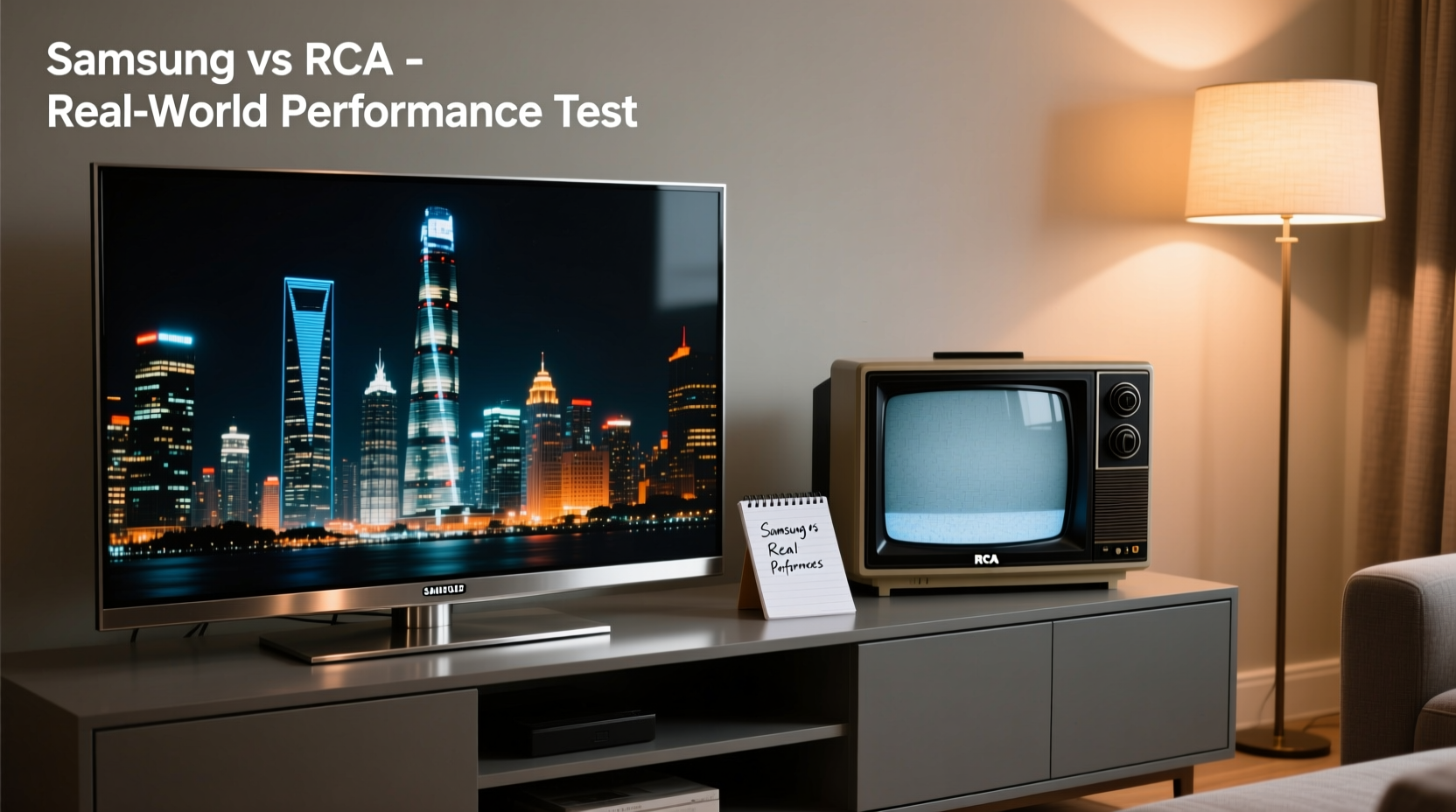
The most significant gap between Samsung and RCA TVs lies in picture quality. Samsung uses advanced panel technologies such as QLED, Neo QLED, and OLED, which offer superior brightness, contrast, and color accuracy. These panels support HDR10+, dynamic tone mapping, and higher peak brightness levels — essential for enjoying modern streaming content, movies, and gaming.
In contrast, RCA TVs typically use basic LED panels with limited brightness (often under 300 nits) and no local dimming. They lack support for advanced HDR formats, resulting in flatter images, especially in dark scenes. While acceptable for daytime viewing or casual YouTube watching, they struggle in dimly lit rooms or when displaying high-quality 4K content.
Tip: If you watch movies at night or enjoy vivid visuals, don’t compromise on panel quality — it directly affects immersion.Smart Features and User Experience
Samsung runs Tizen OS, one of the most polished and responsive smart TV platforms available. It boots quickly, offers smooth navigation, supports voice assistants (Bixby, Alexa, Google Assistant), and integrates seamlessly with other Samsung devices like phones and soundbars. The app library is robust, including Netflix, Disney+, Apple TV+, and major live TV services.
RCA TVs use various iterations of Roku TV or Android-based systems. While Roku is generally user-friendly and comes with a wide selection of apps, RCA’s implementation often suffers from sluggish processors and limited RAM. Users frequently report lag during app launches, stuttering menus, and longer boot times. Additionally, firmware updates are rare, leaving older models vulnerable to security issues and compatibility problems.
“TVs are no longer just displays — they’re hubs for entertainment. A slow or outdated OS undermines the entire experience.” — David Lin, Home Theater Systems Analyst
Build Quality and Longevity
This is where the investment argument strengthens. Samsung builds its TVs with durable materials, precise engineering, and rigorous quality control. Even mid-range models feature metal stands, slim bezels, and efficient cooling systems. Most come with a standard one-year warranty and are designed to last 7–10 years under normal usage.
RCA TVs, manufactured by TCL under licensing agreements, prioritize affordability over durability. Plastic frames, thinner casings, and lower-grade internal components mean they’re more prone to wear and tear. Over time, users report screen flickering, audio distortion, and port failure within 2–3 years — especially with daily use.
If you're placing a TV in a secondary room used occasionally, RCA may suffice. But for your main living room or primary viewing space, longevity matters. Replacing a malfunctioning budget TV every few years could end up costing more than investing in a reliable Samsung upfront.
Comparison Table: Samsung vs RCA (Mid-Range Models)
| Feature | Samsung (e.g., Q60C QLED) | RCA (e.g., RP50M65 Fire TV Edition) |
|---|---|---|
| Panel Type | QLED with Full Array Local Dimming | Basic LED, No Local Dimming |
| Peak Brightness | 600+ nits | 250–300 nits |
| HDR Support | HDR10+, HLG, Dynamic Tone Mapping | HDR10 only, limited processing |
| Smart System | Tizen OS – Fast, Regular Updates | Fire TV OS – Slower Hardware, Infrequent Updates |
| Audio Output | 40W speakers with Adaptive Sound+ | 16W basic stereo, tinny output |
| Lifespan Estimate | 7–10 years | 3–5 years (with heavy use) |
| Price (55-inch) | $650–$800 | $300–$400 |
Real-World Example: Two Households, Same Budget
Consider two families buying TVs on a $700 budget over five years.
Family A buys a $350 RCA TV and replaces it after three years due to backlight failure and sluggish performance. They spend another $350 on a second unit — totaling $700, but with inconsistent quality and mounting frustration.
Family B invests $700 in a Samsung Q60C. Five years later, it still performs well, receives software updates, maintains vibrant colors, and supports newer gaming features like ALLM and VRR. They’ve saved time, hassle, and potential repair costs.
The initial outlay is the same, but long-term satisfaction and reliability favor Samsung.
When RCA Makes Sense
That said, RCA has its place. It’s ideal for:
- Kid’s rooms or dorms where accidental damage is likely
- Secondary spaces like kitchens or garages with minimal viewing time
- Users who primarily watch cable or low-resolution content
- Tight budgets where $300 is the absolute ceiling
In these cases, spending less makes practical sense. You're not maximizing the benefits of high-end tech anyway, so overspending would be wasteful.
Step-by-Step: How to Decide Which TV Is Right for You
- Assess your primary use: Movies/gaming = Samsung. Basic TV/casual viewing = RCA possible.
- Determine viewing environment: Dark or dim room? Samsung’s contrast will shine. Bright kitchen? RCA may suffice.
- Check connectivity needs: More than three devices? Samsung offers better HDMI bandwidth and eARC support.
- Evaluate ecosystem: Do you own other Samsung devices? Seamless integration adds value.
- Project lifespan: Plan to upgrade in 3 years? RCA works. Want it to last a decade? Go Samsung.
Frequently Asked Questions
Can you notice the difference between Samsung and RCA picture quality?
Yes, especially on larger screens or in darker environments. Samsung TVs deliver deeper blacks, brighter highlights, and more accurate skin tones. The difference becomes obvious when watching 4K HDR content.
Do Samsung TVs hold their value better?
Relatively, yes. A used Samsung QLED retains resale value better than an RCA due to brand reputation, demand, and functional longevity. However, all TVs depreciate quickly — this matters more if you trade in or resell.
Are there any hidden costs with Samsung TVs?
No major hidden costs. Unlike some brands pushing subscription bundles, Samsung doesn’t lock features behind paywalls. All core functionalities — including ambient mode, voice control, and app access — are free.
Final Verdict: Is Samsung Worth the Premium?
The answer depends on your expectations. If you want a TV that simply turns on and displays basic content, RCA delivers at a low price. But if you care about image fidelity, system responsiveness, build durability, and future-proofing, Samsung earns its premium.
You’re not just paying for a name — you’re paying for better materials, smarter software, and a significantly enhanced viewing experience that lasts years longer. For most households making a once-in-a-decade purchase, that added cost translates into lasting value.
💬 Have you switched from RCA to Samsung — or vice versa? Share your experience and help others make an informed decision!








