Every traveler faces the same dilemma: how to capture memories without sacrificing convenience. Smartphones have become incredibly capable, but high-end cameras still offer advantages in dynamic range, zoom, low light, and creative control. For many, renting a professional-grade camera—like a Sony A7 IV, Canon R5, or Fujifilm X-H2—seems like a tempting upgrade for that once-in-a-lifetime trip. But is the investment truly worth it?
The answer depends on your priorities: image quality, ease of use, budget, and how you plan to use your photos after the trip. This article breaks down the trade-offs between using your smartphone and renting a premium camera, backed by practical advice, real-world examples, and expert insights.
Image Quality: Where Cameras Still Shine
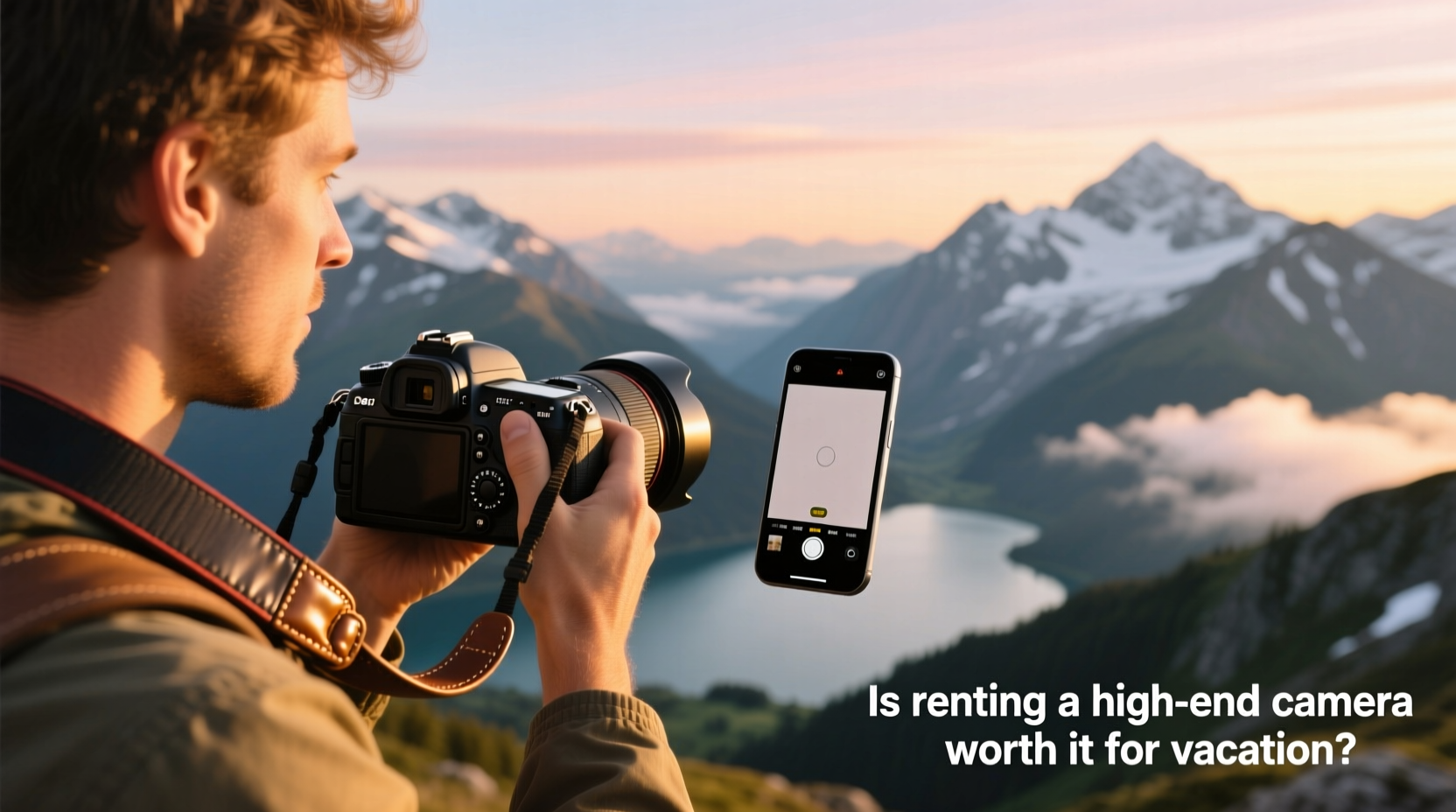
Despite rapid advancements in computational photography, smartphones are limited by small sensors and fixed lenses. High-end mirrorless and DSLR cameras use significantly larger sensors—full-frame or APS-C—which capture more light and detail. This difference becomes most apparent in challenging lighting conditions.
In low-light environments—such as candlelit dinners, cityscapes at dusk, or jungle sunsets—a dedicated camera produces cleaner images with less noise and better color fidelity. Optical zoom lenses (e.g., 70–200mm) also outperform digital zoom on phones, preserving sharpness when photographing distant subjects like wildlife or architecture.
Dynamic range—the ability to retain detail in both shadows and highlights—is another area where professional cameras excel. On bright beach days or mountain vistas with dramatic skies, a rented camera can capture balanced exposures without blown-out skies or crushed shadows, even without editing.
Tip: If you plan to print large photos or share them professionally, a full-frame camera’s resolution and depth will make a noticeable difference.Convenience and Practicality: The Smartphone Advantage
Your smartphone wins hands-down in convenience. It’s always with you, requires no extra charging setup, and integrates seamlessly with social media. You don’t need to worry about lens changes, memory cards, or protective cases. Most importantly, you’re more likely to actually use it.
Travel fatigue is real. Carrying a heavy camera bag through airports, hiking trails, or cobblestone streets adds physical strain and mental burden. Many travelers who rent gear report underusing their equipment because it felt like work—not relaxation.
Smartphones also benefit from AI enhancements. Night mode, portrait blur, HDR stacking, and automatic scene detection allow non-photographers to take impressive shots effortlessly. Apps like Adobe Lightroom Mobile or Snapseed let you edit on the go, often matching results that once required desktop software.
“Most people overestimate how much they’ll use a rental camera on vacation. The best camera is the one you actually bring out.” — Daniel Tran, Travel Photographer & Instructor at Capture Academy
Cost Analysis: Renting vs. Phone Ownership
Renting a high-end camera isn’t cheap. Depending on location and model, expect to pay $50–$150 per day. Lenses add extra cost—especially primes or telephotos. For a two-week trip, total rental fees could reach $600–$1,000, not including insurance or accessories.
Compare that to your smartphone: already paid for, zero marginal cost, and always improving with software updates. Even flagship phones costing $1,200+ amortize over years of use. Unless you're planning multiple photo-heavy trips annually, renting rarely makes financial sense.
Consider this: if you spend $800 on a rental but only take 50 standout photos, each shot costs $16 in gear alone. With your phone, the cost per photo is effectively zero.
Camera Rental Cost Breakdown (Example)
| Item | Daily Rate | 7-Day Total |
|---|---|---|
| Sony A7 IV Body | $85 | $595 |
| 24–70mm f/2.8 Lens | $60 | $420 |
| Extra Battery & Memory Cards | $15 | $105 |
| Insurance (Optional) | $20 | $140 |
| Total | $180/day | $1,260 |
While some travelers split costs with companions or rent shorter-term, the table shows how quickly expenses accumulate. For casual users, this investment may not justify the return.
When Renting Makes Sense: A Step-by-Step Decision Guide
Not every trip is the same. Use this decision framework to determine whether renting a camera is right for your next vacation.
- Assess Your Photography Goals: Are you documenting family moments, or aiming for portfolio-quality landscape and street photography?
- Evaluate the Environment: Will you be in low-light settings, shooting fast action (birds, sports), or capturing wide vistas? These scenarios favor dedicated cameras.
- Check Your Skill Level: Do you understand manual settings (aperture, shutter speed, ISO)? If not, a phone’s automation may serve you better.
- Estimate Usage Frequency: Be honest—will you carry the camera all day, or leave it in the hotel?
- Calculate Total Cost: Include rental, insurance, travel adapters, and potential damage risk.
- Consider Alternatives: Could a compact point-and-shoot (like a Ricoh GR III or Sony RX100 VII) offer a middle ground?
- Decide: Rent only if at least four of the above factors strongly favor a dedicated camera.
Real Example: Sarah’s European Summer Trip
Sarah, a marketing manager and hobbyist photographer, planned a two-week trip across Italy and France. She debated renting a Canon R6 Mark II with a 24–105mm lens, ultimately deciding to try it for five days in Tuscany and Provence.
She captured stunning golden-hour vineyard shots, detailed cathedral interiors, and crisp portraits in soft evening light. However, during her urban days in Paris and Rome, she left the camera in her Airbnb due to crowds and discomfort. Her iPhone 15 Pro handled street scenes, food photography, and group selfies just fine.
After reviewing her photos, she realized 70% of her favorite shots came from the iPhone. The rented camera produced superior landscape images, but its impact was limited by inconsistent use. Next time, she plans to rent only for specific nature excursions.
This scenario reflects a common pattern: travelers benefit most from hybrid approaches rather than all-or-nothing decisions.
Do’s and Don’ts: Quick Checklist
- Do rent if you’re visiting photogenic natural landscapes or attending a major event.
- Do practice with the camera before your trip to avoid fumbling during key moments.
- Do pack lightweight lenses and backup batteries.
- Don’t rent if you’re traveling with young children or prioritizing mobility.
- Don’t skip insurance—rental gear is expensive to replace.
- Don’t assume better gear equals better photos; composition and timing matter more.
Expert Insight: What Professionals Recommend
Many pro photographers acknowledge the gap between smartphones and DSLRs is narrowing. “For 90% of travelers, the iPhone 15 Pro or Google Pixel 8 Pro delivers excellent results,” says Lena Park, National Geographic contributor. “But if you want creative control—shallow depth of field, RAW files, interchangeable lenses—then renting a camera for part of your trip can be rewarding.”
She advises renters to focus on learning exposure triangle basics and shooting in RAW format for post-processing flexibility. “Renting a camera without understanding how to use it is like buying a race car you can’t drive,” she adds.
Frequently Asked Questions
Can my phone really compete with a $2,000 camera?
In many situations, yes—especially with modern computational photography. Phones use multi-frame processing to simulate depth, improve dynamic range, and reduce noise. While they can’t match optical zoom or sensor size, the final images often look comparable on social media or standard prints.
Where can I safely rent a camera?
Reputable platforms include LensRentals.com, BorrowLenses.com, and KitSplit (peer-to-peer). Always choose insured options, inspect gear upon arrival, and keep receipts. Some local camera stores also offer short-term rentals with in-person support.
What if I damage a rented camera?
Most rental companies require a security deposit and offer damage protection plans. Without insurance, you could be liable for thousands in repair or replacement costs. Always handle gear carefully and never leave it unattended.
Conclusion: Balance Quality and Experience
The choice between renting a high-end camera and relying on your phone isn’t binary. It’s about balancing photographic ambition with the joy of travel. For most people, sticking with the smartphone ensures consistent use, minimal stress, and surprisingly great results.
But if you’re passionate about photography, visiting visually rich destinations, or want heirloom-quality images, renting a camera—even briefly—can elevate your experience. Just be realistic about how much you’ll use it and invest time in learning the basics beforehand.
Ultimately, the best vacation photos aren’t defined by megapixels or lens specs. They’re defined by presence—being in the moment, connecting with people, and returning with memories that last longer than any file format.
💬 Have you rented a camera for a trip? What was your experience? Share your story in the comments and help others decide what’s right for their next adventure.








