
Cats are obligate carnivores—biologically designed to thrive on animal-based proteins. This biological truth has led many pet owners toward raw feeding, a diet composed of uncooked meat, bones, organs, and sometimes eggs or dairy. Advocates claim raw diets mimic a cat’s natural prey intake, potentially improving coat quality, digestion, and energy levels. Yet, despite anecdotal success stories, veterinarians and food safety experts raise serious concerns about bacterial contamination, nutritional imbalances, and long-term health consequences. So, is raw feeding truly beneficial—or are the risks too great to justify?
The debate isn’t simply about preference; it involves microbiology, nutrition science, and responsible pet ownership. While some cats appear healthier on raw diets, others develop deficiencies or infections. Understanding both sides requires examining real-world evidence, regulatory warnings, and clinical outcomes.
The Appeal of Raw Feeding: Why Owners Make the Switch
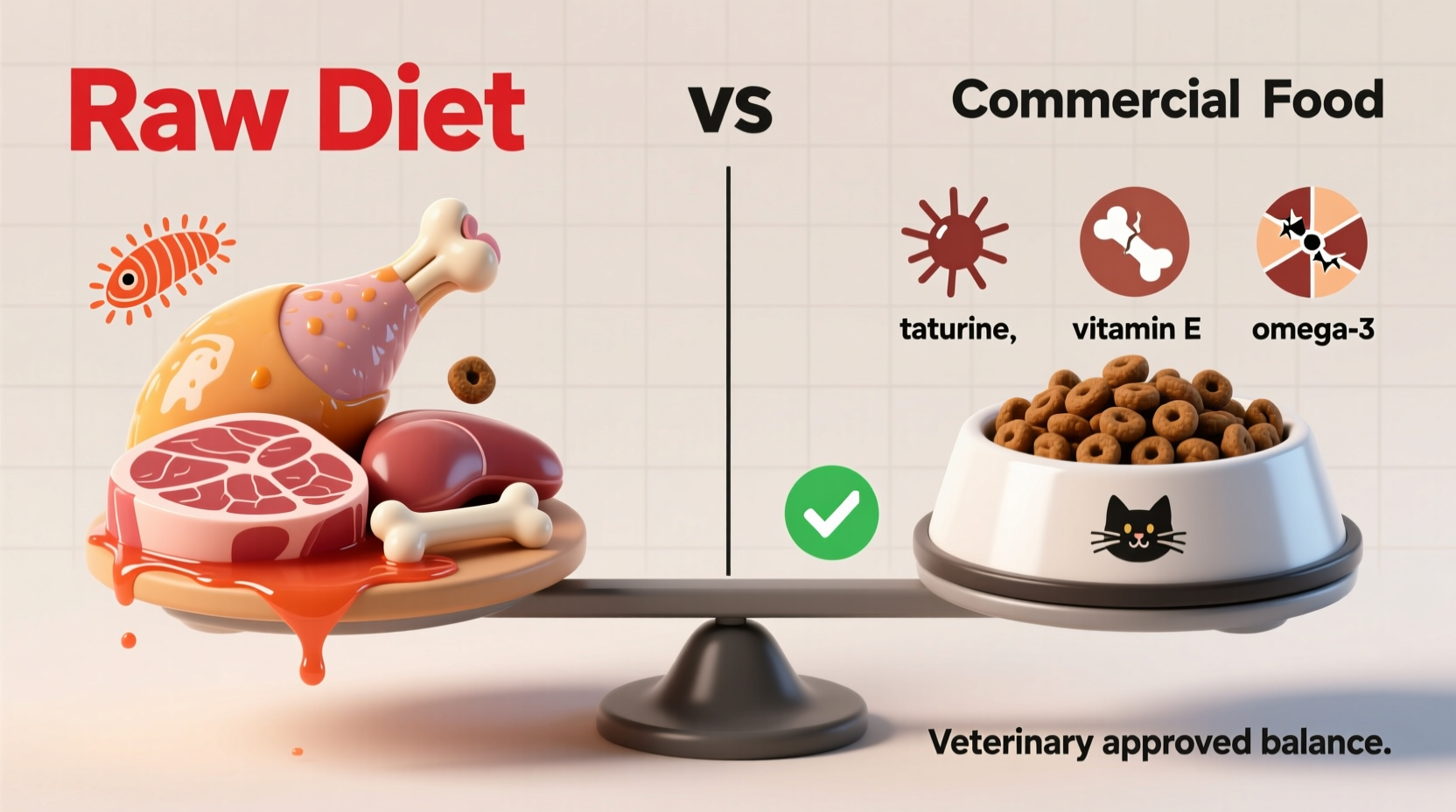
Many cat owners turn to raw feeding after observing issues with commercial kibble or canned food—digestive sensitivities, dull coats, or chronic urinary problems. The idea of feeding “real food” resonates emotionally, especially in an era where human-grade ingredients and clean labels dominate wellness trends.
Proponents argue that cooking alters protein structure, destroys enzymes, and degrades nutrients. They believe raw diets preserve bioavailability and support species-appropriate nutrition. Common components include:
- Raw muscle meat (chicken, turkey, rabbit)
- Edible bones (for calcium and chewing stimulation)
- Organ meats (liver, kidney, heart—rich in vitamins)
- Eggs, fish, and small amounts of dairy in some regimens
Some owners prepare meals at home using whole prey models, while others rely on commercially frozen raw products. Either way, the motivation is often rooted in a desire to give their cats a more “natural” life.
Tip: If transitioning to raw, do so gradually over 7–10 days to avoid digestive upset.Hidden Health Risks: What Science and Veterinarians Warn About
Despite its appeal, raw feeding carries documented health risks—not just for cats, but for humans in the household. The U.S. Food and Drug Administration (FDA), Centers for Disease Control and Prevention (CDC), and American Veterinary Medical Association (AVMA) have all issued cautions.
One major concern is pathogenic bacteria. Raw meat can harbor Salmonella, Listeria monocytogenes, E. coli, and Campylobacter. These organisms may not always make cats sick due to their acidic stomachs, but they can shed pathogens through feces, contaminating litter boxes, floors, and even human food prep areas.
“Feeding raw diets increases the risk of zoonotic disease transmission, particularly to immunocompromised individuals, children, and seniors.” — Dr. Jennifer Scherk, DVM, Clinical Nutritionist
A 2018 study published in Veterinary Record analyzed 35 commercial raw pet foods and found that 77% tested positive for Salmonella or Listeria. Even frozen products aren’t immune—freezing slows but doesn’t eliminate bacteria.
Nutritional imbalance is another critical issue. Homemade raw diets often lack essential nutrients like taurine, calcium, and vitamin E unless meticulously formulated. Taurine deficiency, for example, can lead to irreversible heart disease (dilated cardiomyopathy) and vision loss.
Common Nutritional Deficiencies in Improperly Balanced Raw Diets
| Nutrient | Role in Cat Health | Deficiency Risks |
|---|---|---|
| Taurine | Heart function, vision, reproduction | Blindness, heart failure |
| Calcium | Bone strength, nerve signaling | Skeletal deformities, fractures |
| Vitamin E | Antioxidant protection | Muscle degeneration |
| Iodine | Thyroid regulation | Hypothyroidism |
Real-World Case: A Cautionary Tale from Veterinary Practice
In Portland, Oregon, a 3-year-old domestic shorthair named Milo was brought to an emergency clinic with lethargy, vomiting, and severe diarrhea. His owner had transitioned him to a homemade raw chicken and liver diet six weeks prior, believing it would improve his chronic skin irritation.
Fecal testing revealed Salmonella enterica. Further blood work showed low taurine levels and early signs of myocardial dysfunction. The cat required hospitalization, fluid therapy, antibiotics, and cardiac monitoring. His owner, unaware of taurine’s importance, had never supplemented the diet.
“This case wasn’t unusual,” said Dr. Alan Reyes, the attending veterinarian. “We see multiple raw-diet-related illnesses each year. Owners mean well, but they’re often under-informed about formulation and safety.”
Milo recovered after two weeks of treatment, but his heart showed residual changes. His diet was switched to a balanced commercial wet food, and his skin condition improved without the risks of raw feeding.
Best Practices for Safer Raw Feeding (If You Choose to Proceed)
If you decide to feed raw despite the risks, doing so responsibly reduces potential harm. The following steps are recommended by veterinary nutritionists who acknowledge owner choice while emphasizing safety.
- Use commercially prepared raw diets from reputable brands that follow AAFCO (Association of American Feed Control Officials) standards and conduct pathogen testing.
- Never feed pork or wild game due to higher parasite risks (e.g., trichinella).
- Freeze meat at -4°F (-20°C) for at least 72 hours to reduce—but not eliminate—parasites like Toxoplasma.
- Thaw safely: In the refrigerator, never at room temperature.
- Wash hands, utensils, bowls, and surfaces immediately after handling raw food. Use hot, soapy water or disinfectants effective against bacteria.
- Discard uneaten food after 30 minutes to prevent bacterial growth.
- Test your cat regularly for parasites and pathogens if on a long-term raw diet.
- Consult a board-certified veterinary nutritionist to formulate or review any homemade diet.
Checklist: Before Starting a Raw Diet
- ✅ Consult your veterinarian or a veterinary nutritionist
- ✅ Research AAFCO-compliant commercial raw brands
- ✅ Assess household risk factors (infants, elderly, immunocompromised members)
- ✅ Establish strict hygiene protocols
- ✅ Plan for regular blood and fecal testing
- ✅ Have a backup diet ready in case of illness
Commercial vs. Homemade Raw: Weighing the Options
Not all raw diets are created equal. There’s a significant difference between professionally formulated commercial products and kitchen-sink recipes shared online.
Reputable commercial raw brands typically:
- Undergo high-pressure processing (HPP) to reduce pathogens
- Are nutritionally balanced to meet AAFCO profiles
- Provide batch-specific testing results
- Use human-grade sourcing
In contrast, homemade diets—while customizable—are prone to errors. A 2020 study in the Journal of the American Veterinary Medical Association evaluated 95 homemade raw diet recipes from books and websites. Only 5 met minimum nutritional standards for adult cats; none were adequate for kittens or senior cats.
Even experienced pet owners struggle with ratios. For example, the ideal bone-to-meat-to-organ ratio is roughly 80:10:10, but deviations can cause constipation (too much bone) or diarrhea (too little). Liver should be limited to 5–10% of organ content to avoid vitamin A toxicity.
When Raw Feeding Might Be Medically Justified
In rare cases, veterinarians may recommend a carefully managed raw diet as part of a therapeutic plan—for instance, for cats with severe inflammatory bowel disease (IBD) unresponsive to conventional diets, or those with allergies to processed ingredients.
However, these cases involve:
- Medical supervision
- Pathogen-tested ingredients
- Custom formulation by a veterinary nutritionist
- Ongoing monitoring
Even then, cooked, novel-protein, or hydrolyzed diets are usually tried first due to lower risk and better compliance.
“We don’t recommend raw diets routinely. But for select patients, under strict control, we may consider them as a last resort—with full informed consent about the risks.” — Dr. Cailin Heinze, MS, VMD, Board-Certified Veterinary Nutritionist
Frequently Asked Questions
Can cats digest raw meat safely?
Cats have highly acidic stomachs and short digestive tracts, which help neutralize some bacteria. However, this doesn’t make them immune to infection or nutritional deficiencies. While they *can* digest raw meat, it doesn’t mean it’s safe or optimal without proper safeguards.
Is there a safer alternative to raw feeding?
Yes. High-quality, grain-free canned or freeze-dried foods offer moisture-rich, meat-centered nutrition without the bacterial risks. Many freeze-dried options are rehydrated before serving, mimicking raw texture while reducing pathogens through processing.
Does raw feeding improve dental health?
There’s limited evidence that raw bones clean teeth. In reality, most cats don’t chew bones thoroughly enough to provide abrasive action. Dental disease is better prevented through veterinary cleanings, dental diets, or approved chews. Feeding bones also risks tooth fractures or intestinal obstructions.
Conclusion: Balancing Belief with Responsibility
Raw feeding taps into a powerful narrative: returning pets to their evolutionary roots. For some cats, the switch brings noticeable improvements in coat shine, weight management, and vitality. But these benefits must be weighed against real, documented dangers—bacterial contamination, malnutrition, and public health risks.
No credible veterinary organization endorses raw feeding as a standard practice. The consensus is clear: unprocessed animal products carry inherent hazards that outweigh theoretical benefits for most cats.
If you choose to feed raw, do so with eyes open. Rely on science, not social media testimonials. Invest in professional guidance, prioritize hygiene, and monitor your cat closely. Better yet, explore safer alternatives that deliver high meat content without compromising safety.
💬 Your cat’s health matters. Share your experiences, questions, or concerns in the comments—let’s build a smarter, safer conversation around feline nutrition together.








