
As dogs age, their nutritional needs shift. Senior dogs often face slower metabolisms, reduced mobility, weakened immune systems, and dental challenges. These changes prompt many pet owners to reevaluate their dog’s diet—especially when considering raw feeding versus commercial kibble. Advocates of raw diets praise improved coat quality, energy levels, and digestion, while critics warn of bacterial contamination, nutrient imbalances, and safety concerns. So, is raw feeding truly better for senior dogs—or does it pose more risk than reward?
The answer isn’t black and white. It depends on the individual dog, owner commitment, veterinary guidance, and how the diet is formulated and managed. This article breaks down the science, practical considerations, and real-world experiences to help you make a safe, informed choice.
Nutritional Needs of Senior Dogs
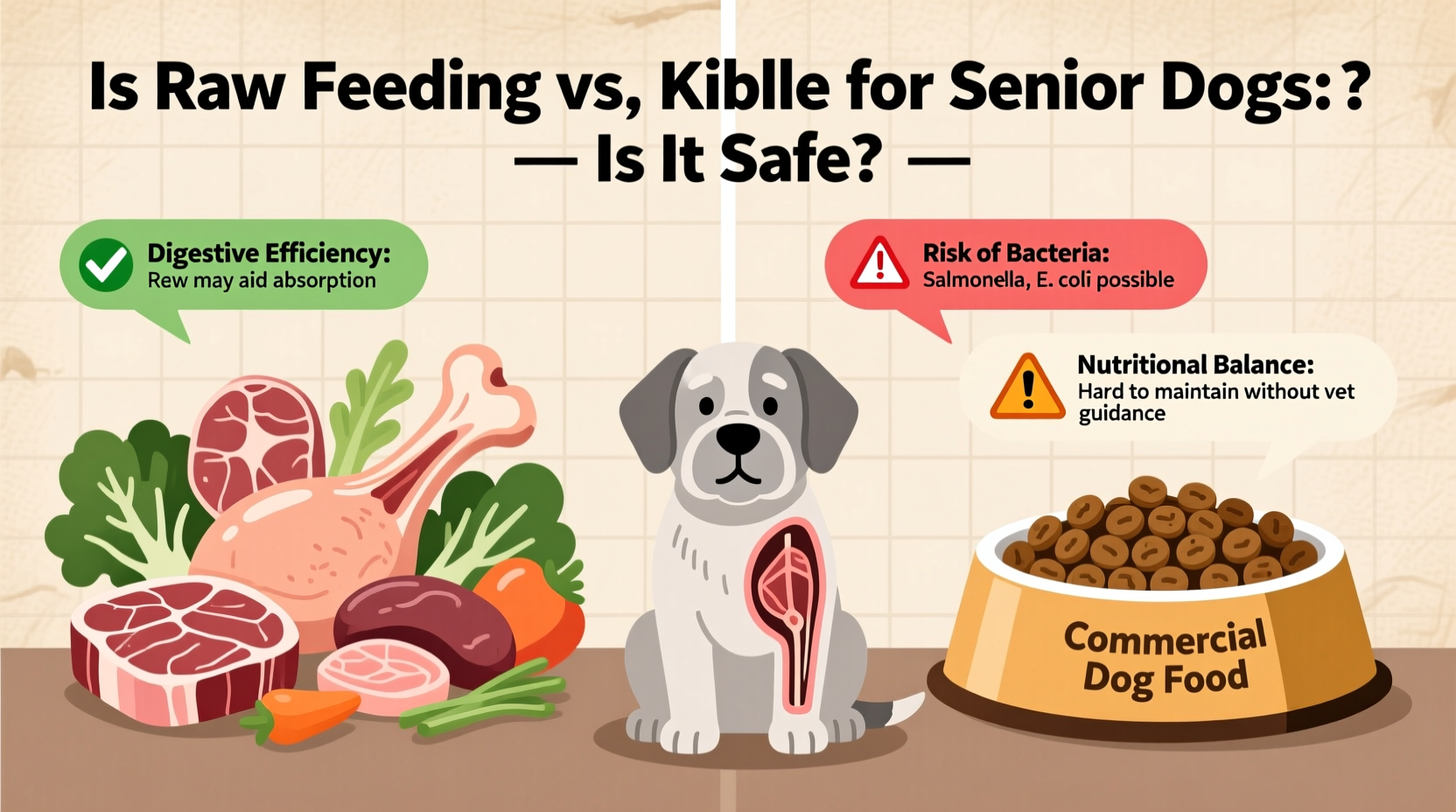
Dogs typically enter their senior years between 7 and 10 years of age, depending on breed and size. Larger breeds age faster and may show signs of aging earlier. During this stage, several physiological changes occur:
- Reduced metabolism: Older dogs burn fewer calories, increasing the risk of weight gain if food intake isn’t adjusted.
- Muscle loss (sarcopenia): Protein becomes more critical to maintain lean body mass.
- Dental issues: Many seniors suffer from gum disease or tooth loss, affecting their ability to chew hard kibble or raw bones.
- Joint and organ function decline: Kidneys, liver, and joints require specific nutrients like omega-3s, glucosamine, and antioxidants.
- Immune system weakening: Older dogs are more vulnerable to infections, making food safety especially important.
A well-balanced diet must support these evolving needs. Whether that comes from kibble, raw, or a hybrid approach requires careful evaluation.
Raw Feeding: Benefits and Drawbacks for Seniors
Raw feeding typically includes uncooked muscle meat, bones, organs, and sometimes fruits, vegetables, and supplements. Proponents argue it mimics what dogs would eat in the wild and leads to:
- Improved coat and skin health
- Smaller, less odorous stools
- Better dental health (from chewing raw bones)
- Increased energy and alertness
- Potential reduction in allergies and inflammation
For senior dogs, high-quality protein in raw diets may help combat muscle loss. The absence of fillers like corn or soy can benefit dogs with sensitivities. However, these advantages come with notable caveats.
Tip: If introducing raw food to a senior dog, start with small portions of ground raw mix to assess digestion and tolerance before progressing to whole meats or bones.The primary concern with raw diets is food safety. Raw meat can harbor pathogens like Salmonella, Listeria, and E. coli. While healthy adult dogs may tolerate low levels, senior dogs—with compromised immune systems—are at higher risk of illness. A 2018 study published in Veterinary Record found that 21% of commercial raw diets tested positive for harmful bacteria.
Another issue is nutritional imbalance. Homemade raw diets often lack essential vitamins and minerals unless carefully planned. Calcium-to-phosphorus ratios, taurine levels, and vitamin D are frequently off, potentially worsening existing conditions like kidney disease or heart problems common in older dogs.
“While some senior dogs thrive on raw diets, they are not inherently superior to high-quality kibble. The key is balance, safety, and medical appropriateness.” — Dr. Karen Becker, Integrative Veterinarian
Kibble: Convenience vs. Quality
Kibble remains the most popular dog food due to its convenience, shelf stability, and wide availability. High-end senior-specific formulas are scientifically formulated to meet AAFCO (Association of American Feed Control Officials) standards, ensuring balanced nutrition tailored to aging dogs.
Benefits of premium kibble for seniors include:
- Controlled calorie content to prevent obesity
- Added joint-supporting compounds like glucosamine and chondroitin
- Enhanced fiber for digestive regularity
- Dental kibble shapes designed to reduce plaque buildup
- Consistent nutrient profiles batch after batch
However, not all kibble is created equal. Low-cost brands may use excessive grains, by-products, and artificial preservatives that offer little nutritional value and may contribute to inflammation or digestive upset. Some seniors also struggle with dry kibble due to missing teeth or jaw pain.
One advantage kibble holds over raw is regulatory oversight. Reputable manufacturers conduct feeding trials and third-party testing, reducing the risk of contamination and deficiencies. That said, recalls do happen—even with major brands.
Comparing Raw and Kibble: A Practical Breakdown
| Factor | Raw Feeding | Kibble |
|---|---|---|
| Nutritional Balance | Highly variable; requires expert formulation | Generally consistent in premium brands |
| Food Safety Risk | Higher (bacterial contamination) | Lower, but not zero |
| Cost | Expensive ($5–$10+/day) | Moderate to high ($1–$4/day) |
| Convenience | Low (storage, prep, cleanup) | High (ready to serve) |
| Dental Impact | Potential benefit from chewing (with risk of broken teeth) | Specially shaped kibble can reduce tartar |
| Suitability for Sick Seniors | Risky without veterinary supervision | Often recommended for medical conditions |
This comparison shows that while raw feeding offers potential upsides, it demands significant effort and vigilance—especially for older pets with complex health profiles.
Real-World Example: Bella, a 10-Year-Old Labrador Retriever
Bella had always eaten kibble, but at age 9, she began gaining weight and seemed lethargic. Her owner, Maria, read about raw feeding and decided to switch her to a commercial frozen raw diet. Within weeks, Bella lost excess weight, her coat became shinier, and she seemed more playful.
But six months later, Bella developed vomiting and diarrhea. A fecal test revealed Campylobacter, likely from contaminated raw food. Her vet advised switching back to a prescription kibble formulated for gastrointestinal sensitivity. After two weeks, Bella recovered—but Maria realized raw wasn’t worth the risk for her aging dog.
Today, Bella eats a high-protein, limited-ingredient kibble with added probiotics. She maintains a healthy weight, and her energy has returned—without the food safety concerns.
Bella’s story illustrates a crucial point: what works for one senior dog may not work for another. Individual health status, living environment, and owner capacity all influence outcomes.
Step-by-Step Guide to Transitioning a Senior Dog Safely
If you're considering changing your senior dog’s diet—whether to raw, a new kibble, or a home-cooked option—follow these steps to minimize digestive upset and health risks:
- Consult your veterinarian. Discuss your dog’s medical history, current medications, lab results, and any chronic conditions. Get bloodwork if needed, especially for kidney or liver function.
- Choose a diet backed by science. For raw, select a commercially prepared, pathogen-tested product. For kibble, look for brands with veterinary nutritionists on staff and feeding trial data.
- Start slow. Introduce the new food gradually over 7–10 days. Begin with 25% new food mixed with 75% old food, increasing the ratio every few days.
- Monitor closely. Watch for loose stools, vomiting, appetite changes, lethargy, or allergic reactions. Stop the transition if symptoms persist beyond 48 hours.
- Adjust portion sizes. Senior dogs need fewer calories. Use feeding guidelines as a starting point, then adjust based on body condition and activity level.
- Re-evaluate every 6 months. Schedule wellness checks and consider updating the diet as your dog’s needs evolve.
Checklist: Is Raw Feeding Right for Your Senior Dog?
Before committing to a raw diet, ask yourself the following:
- ✅ Has my vet approved this change based on my dog’s health status?
- ✅ Am I using a commercially prepared, tested raw product—or working with a veterinary nutritionist on a homemade plan?
- ✅ Do I have a safe way to store and handle raw meat (separate fridge space, dedicated utensils)?
- ✅ Is my dog immunocompromised, diabetic, or suffering from kidney/liver disease?
- ✅ Are there young children or immunocompromised people in the household who could be exposed to pathogens?
- ✅ Can I afford the ongoing cost of high-quality raw food?
- ✅ Am I prepared to monitor stool quality, weight, and energy levels regularly?
If you answered “no” to any of the first three questions, raw feeding may not be appropriate—at least not yet.
Frequently Asked Questions
Can raw diets reverse aging in senior dogs?
No diet can reverse aging, but a well-formulated raw or kibble diet can support healthier aging by improving energy, coat condition, and joint function. Claims of “reversing” age-related decline are exaggerated and unsupported by science.
Are raw bones safe for older dogs?
Cooked bones are never safe—they splinter easily and can cause obstructions or perforations. Raw bones carry less risk of splintering but still pose choking hazards, tooth fractures, and bacterial exposure. Many vets recommend avoiding them entirely for seniors, especially those with dental issues.
What���s the safest way to feed raw at home?
If you choose raw, use only commercially available, frozen raw diets that undergo pathogen testing. Store food separately from human food, clean all surfaces with disinfectant after handling, and wash hands thoroughly. Never feed raw meat intended for human consumption—it lacks the safety protocols of pet-grade raw products.
Expert Insight: When Raw Might Be Warranted
In some cases, raw feeding may be beneficial under strict veterinary supervision. Dr. Susan Wynn, former president of the American Holistic Veterinary Medical Association, notes:
“There are senior dogs with severe inflammatory bowel disease or food intolerances that don’t respond to even prescription kibbles. In those cases, a carefully balanced raw or home-cooked diet—designed by a board-certified veterinary nutritionist—can be a therapeutic tool. But it’s a medical intervention, not a lifestyle trend.”
This distinction is vital. Raw feeding should not be approached casually, especially for seniors. When used therapeutically, it requires monitoring, lab work, and professional oversight.
Conclusion: Prioritize Safety, Science, and Individual Needs
There is no universal answer to whether raw feeding is better than kibble for senior dogs. Both options can support healthy aging when chosen wisely. High-quality kibble offers consistency, safety, and convenience—critical factors for older pets and busy owners. Raw diets may provide benefits for some dogs but come with significant risks that increase with age and declining immunity.
The best choice isn’t determined by trends or anecdotes, but by your dog’s unique health profile, your ability to manage food safety, and collaboration with your veterinarian. Nutrition is medicine in senior care—and decisions should be made with the same care as any other treatment plan.
💬 Have experience feeding raw or kibble to your senior dog? Share your story, lessons learned, or questions in the comments below—your insights could help another pet parent make a safer, smarter choice.








