For millions of pet owners, a dog or cat is more than an animal—they're family. And like any family member, their health matters. But veterinary care can be expensive. A single emergency surgery can cost thousands. That's where pet insurance comes in. Yet, whether it's truly \"worth it\" isn't a simple yes-or-no answer. The value depends on your pet’s breed, age, lifestyle, financial situation, and risk tolerance. Understanding when pet insurance pays off—and when it might not—is essential before committing to a monthly premium.
When Pet Insurance Is Worth It
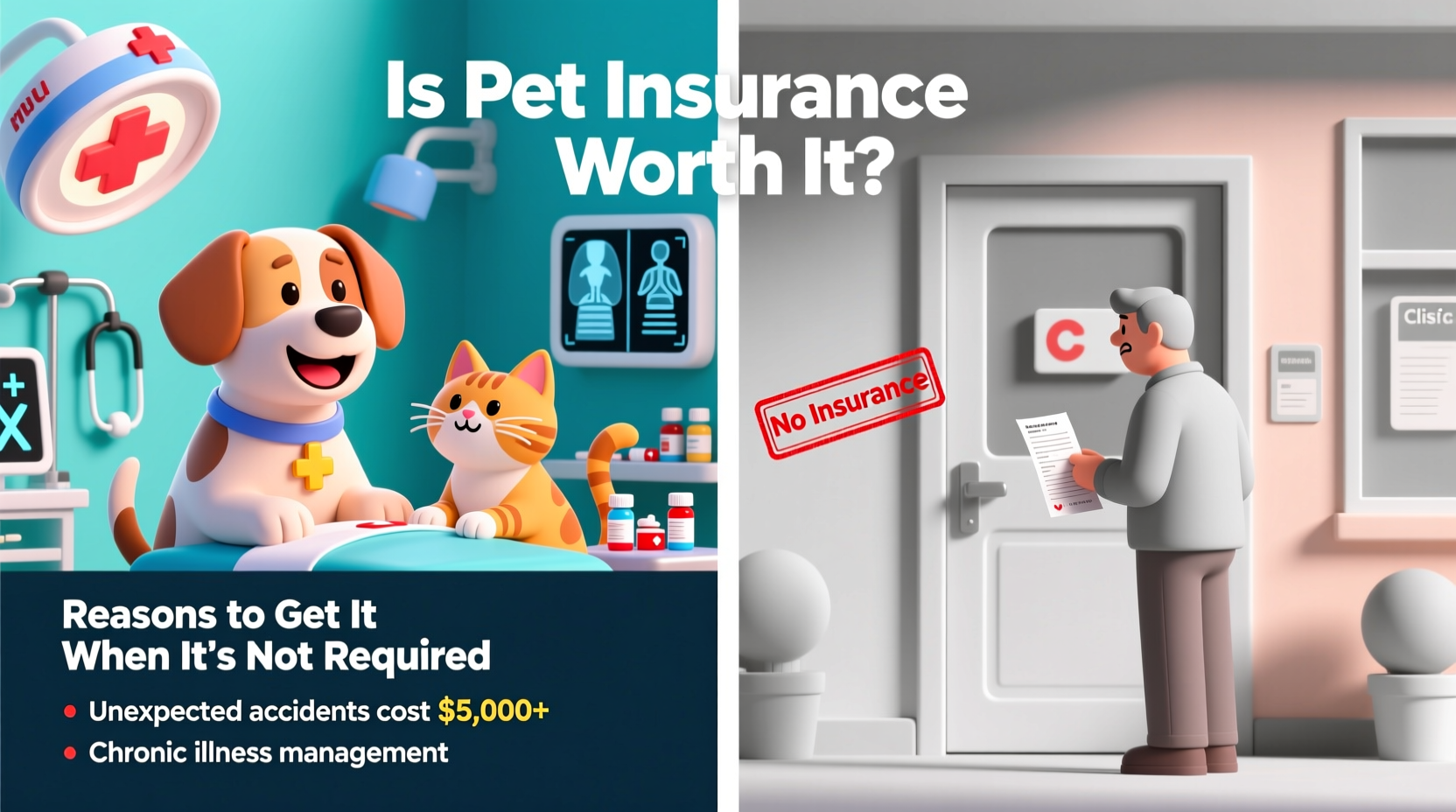
Pet insurance can be a financial safeguard, especially in unexpected medical situations. Here are key scenarios where coverage makes strong economic and emotional sense.
1. You Have a Breed Prone to Health Issues
Certain breeds are genetically predisposed to costly conditions. For example, German Shepherds often develop hip dysplasia, while Bulldogs may require frequent respiratory or skin treatments. If you own a purebred pet with known hereditary risks, insurance can offset long-term treatment costs.
Tip: Research your pet’s breed-specific health risks early—this helps determine if insurance is a smart investment from day one.2. Your Pet Is Young and Healthy
Signing up while your pet is young typically means lower premiums and broader coverage. Most insurers exclude pre-existing conditions, so enrolling early ensures future illnesses are covered. A healthy puppy or kitten today could face unexpected issues tomorrow—insurance locks in protection before problems arise.
3. You Can’t Afford a $3,000+ Emergency Bill
Vet bills for trauma, poisoning, or internal surgeries often exceed $3,000. Without savings, owners may face heartbreaking choices. Insurance can cover 70–90% of eligible costs after the deductible, turning a devastating expense into a manageable co-pay.
“Pet insurance isn’t about predicting illness—it’s about managing financial risk. Just like car or home insurance, it’s peace of mind for the unpredictable.” — Dr. Lisa Marlowe, DVM, Veterinary Financial Advisor
4. You Want Access to Advanced Treatments
Modern veterinary medicine offers MRIs, chemotherapy, and orthopedic surgeries—many costing thousands. With insurance, owners are more likely to pursue these life-extending options. A 2022 study by the North American Pet Health Insurance Association (NAPHIA) found insured pets received 32% more advanced diagnostics than uninsured ones.
When Pet Insurance Might Not Be Worth It
Despite its benefits, pet insurance isn’t universally necessary. Some pet owners may find it redundant or financially inefficient based on their circumstances.
1. You Have Substantial Emergency Savings
If you’ve set aside $5,000–$10,000 specifically for pet emergencies, self-insuring may be smarter. Over 10 years, premiums could total $3,000–$6,000 with no claims. In that case, paying out-of-pocket avoids bureaucracy and claim denials.
2. Your Pet Is Older or Has Pre-Existing Conditions
Senior pets or those with chronic illnesses often face limited coverage. Insurers typically exclude prior conditions, meaning diabetes or arthritis won’t be covered. Premiums also rise sharply with age. For a 10-year-old dog, monthly costs may exceed $100 for minimal benefits—making ROI questionable.
3. You’re Comfortable Making Palliative Care Decisions
Some owners prefer to avoid aggressive interventions regardless of cost. If you’d opt for euthanasia over a $4,000 surgery even with coverage, insurance provides little practical benefit. In such cases, emotional preparedness replaces financial preparation.
4. You’re in a High-Deductible Plan with Low Reimbursement
Not all policies are equal. Some plans have high deductibles ($1,000/year), low reimbursement rates (60%), and annual caps ($5,000). These limitations reduce actual payout, especially for major procedures. Always compare net reimbursement—not just premium cost.
| Situation | Insurance Recommended? | Why? |
|---|---|---|
| Healthy 2-year-old Labrador | Yes | Low premiums, full coverage potential, breed prone to joint issues |
| 12-year-old cat with kidney disease | No | Pre-existing condition excluded; high premiums for limited benefits |
| Owner with $10K pet fund | Possibly not | Self-insurance may be more cost-effective |
| Frequent traveler with pet | Yes | Risk of accidents or sudden illness increases with exposure |
| Adopted mixed-breed from shelter | Yes (early enrollment) | Unknown medical history justifies early protection |
Real-Life Example: A Dog Bite Emergency
Maria adopted Luna, a 3-year-old Border Collie mix, from a local shelter. Three months later, Luna was bitten by a neighbor’s dog during a walk. The injury required surgery, antibiotics, and follow-up visits. Total vet bill: $4,200. Maria had a mid-tier pet insurance plan with a $500 deductible and 80% reimbursement. After filing the claim, she paid $500 deductible + $580 out-of-pocket (20% of $2,900 covered portion), totaling $1,080. Without insurance, she would have owed the full $4,200—a sum she didn’t have readily available.
This case highlights how insurance transforms a potentially catastrophic expense into a predictable cost. It also shows the importance of understanding policy limits: only expenses deemed “medically necessary” were covered, and the initial exam fee was excluded due to a waiting period clause.
How to Choose the Right Policy: A Step-by-Step Guide
Selecting pet insurance requires research. Follow this timeline to make an informed decision:
- Assess your pet’s risk profile – Consider breed, age, weight, and environment (e.g., urban vs. rural).
- Determine your budget – Decide how much you can afford monthly and in out-of-pocket max per incident.
- Compare at least three providers – Look at Lemonade, Embrace, Nationwide, and Pets Best for side-by-side quotes.
- Review coverage details – Check for exclusions, waiting periods, annual limits, and reimbursement models.
- Read customer reviews – Focus on claim processing speed and denial rates.
- Enroll early – Ideally within 30 days of adoption or first vet visit to maximize eligibility.
- Re-evaluate annually – As your pet ages, reassess whether the plan still offers value.
Frequently Asked Questions
Does pet insurance cover routine care?
Basic plans typically cover only accidents and illnesses. However, many insurers offer optional wellness riders that include vaccinations, flea prevention, dental cleanings, and annual exams—for an additional fee. These add-ons increase premiums but can simplify budgeting for preventive care.
Can I use any veterinarian?
Yes, most pet insurance plans in the U.S. are accepted at any licensed vet, including specialists and emergency clinics. Unlike human health insurance, there are no networks or referrals. You pay upfront and submit claims for reimbursement.
What happens if I cancel my policy?
You can cancel anytime, but re-enrollment later will treat all prior conditions as pre-existing. This means no coverage for any illness or injury noted before the new policy starts. Continuous coverage is crucial for maximum protection.
Final Checklist Before Buying Pet Insurance
- ✅ My pet is under 8 years old (ideal for enrollment)
- ✅ I don’t have $3,000+ saved for emergencies
- ✅ I’ve compared at least three reputable providers
- ✅ I understand the deductible, reimbursement rate, and annual cap
- ✅ The plan covers hereditary and congenital conditions
- ✅ There’s no exclusion for cruciate ligament injuries (common in active dogs)
- ✅ I’m prepared to pay monthly, even if no claims are made
Conclusion: Weigh Risk, Reward, and Responsibility
Pet insurance isn’t a one-size-fits-all solution. For young pets, high-risk breeds, or owners without emergency funds, it’s often a wise and compassionate choice. It empowers you to say “yes” to life-saving care without financial paralysis. But for older pets, those with existing conditions, or households with robust savings, the math may not justify the cost.
The real question isn’t just whether pet insurance is worth it—but what kind of pet owner you want to be. One who plans ahead, minimizes risk, and protects their companion’s quality of life? Or one who relies on circumstance and affordability when crisis strikes? Insurance is less about money and more about preparedness.
🚀 Ready to explore your options? Get three free pet insurance quotes today and see how much peace of mind costs. Your future self—and your pet—might thank you.








