Birds are among the most sensitive pets when it comes to airborne substances. Their highly efficient respiratory systems allow for rapid oxygen exchange, but this same trait makes them vulnerable to airborne toxins—including those found in essential oils. While essential oils have gained popularity for their natural aroma and therapeutic benefits in humans, what’s soothing for us can be deadly for birds. This article explores the real dangers of using essential oils around birds, outlines specific risks, and provides practical, bird-safe alternatives for maintaining a clean and pleasant home environment.
Why Birds Are Uniquely Vulnerable to Essential Oils
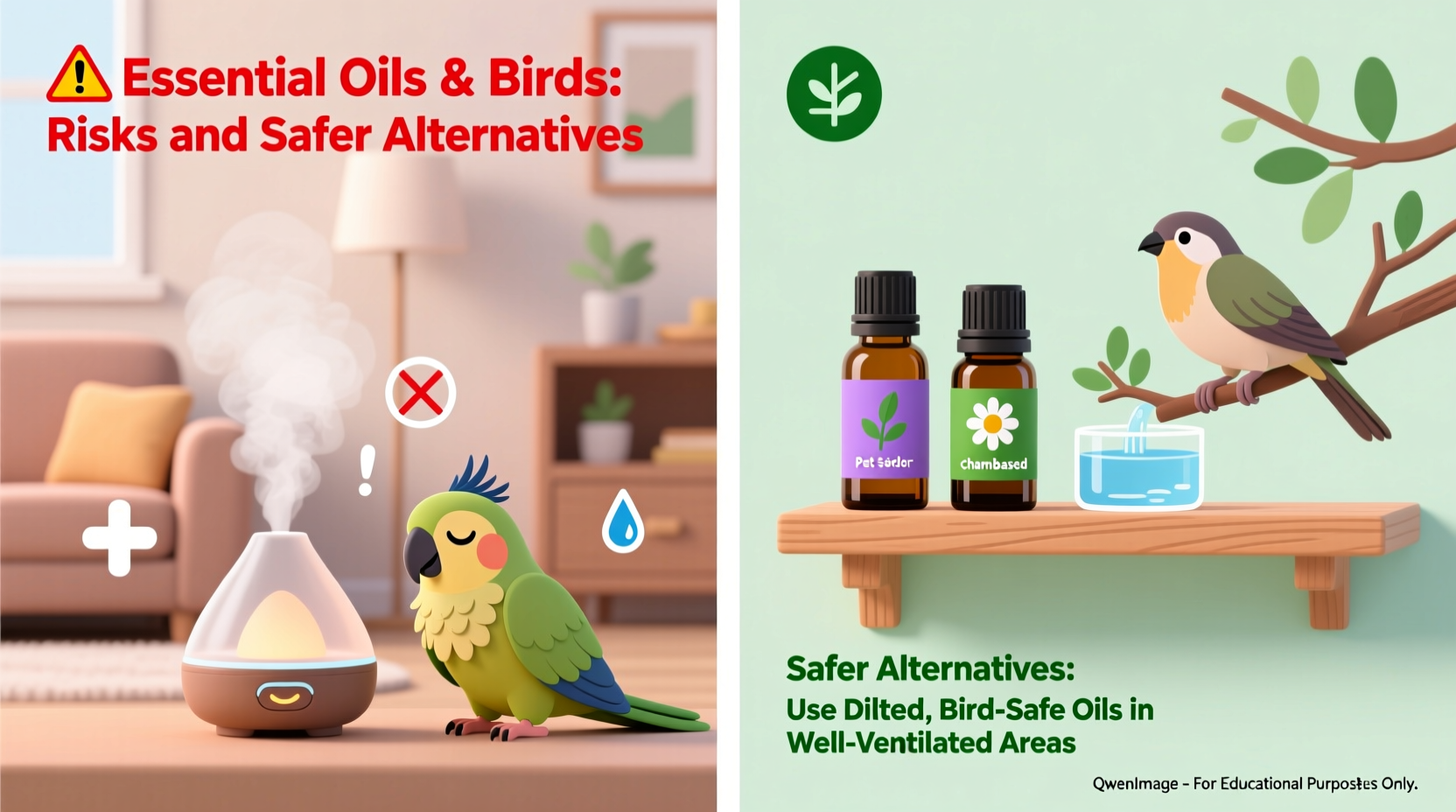
Birds possess one of the most advanced respiratory systems in the animal kingdom. Unlike mammals, they have air sacs that extend throughout their bodies, allowing for continuous airflow through the lungs. This system maximizes oxygen uptake but also means that airborne particles—including volatile organic compounds (VOCs) from essential oils—are absorbed more rapidly and efficiently into their bloodstream.
Essential oils are concentrated plant extracts composed of volatile aromatic compounds. When diffused, these compounds become suspended in the air as fine mist or vapor. Inhaling even small amounts can lead to respiratory irritation, neurological distress, or sudden death in birds. The risk increases with prolonged exposure or high concentrations.
According to Dr. Gregory J. Harrison, a board-certified avian veterinarian and co-founder of the Association of Avian Veterinarians:
“Birds don’t have a diaphragm like humans do, and their breathing is much more passive. Anything in the air—whether it’s smoke, aerosol, or essential oil—is going to affect them almost immediately. There’s no second chance once symptoms appear.” — Dr. Gregory J. Harrison, DVM, ABVP (Avian)
This sensitivity extends across all bird species—from parakeets and cockatiels to larger parrots and even pet finches. Young, elderly, or immunocompromised birds are at even greater risk.
Common Essential Oils That Are Dangerous to Birds
Not all essential oils pose the same level of threat, but many commonly used ones contain compounds toxic to birds. These include phenols, terpenes, and ketones, which can cause liver damage, respiratory failure, or seizures.
The following table lists some popular essential oils and their associated risks when used around birds:
| Essential Oil | Toxic Compounds | Potential Effects on Birds |
|---|---|---|
| Tea Tree (Melaleuca) | Terpinen-4-ol, cineole | Respiratory distress, tremors, lethargy, liver failure |
| Eucalyptus | 1,8-cineole (eucalyptol) | Airway irritation, coughing, labored breathing |
| Peppermint | Menthol, menthone | Neurological effects, panting, disorientation |
| Lavender | Linalool, linalyl acetate | Respiratory depression at high concentrations |
| Citrus Oils (Lemon, Orange) | Limonene, citral | Liver toxicity, skin irritation, lung inflammation |
| Cinnamon | Cinnamaldehyde | Severe airway inflammation, chemical burns in lungs |
Even oils considered “gentle” or “calming” for humans can accumulate in a bird’s system over time, especially in poorly ventilated homes. Diffusers, humidifiers with oil compartments, scented candles, and room sprays all contribute to indoor air contamination.
Tip: Never use any essential oil product near birds—even if labeled \"natural\" or \"organic.\" When in doubt, leave it out.Real-Life Case: A Cautionary Story
In 2021, a pet owner in Oregon reported the sudden death of her two budgerigars after introducing a new ultrasonic diffuser in the living room. She used a blend of lavender and citrus oils for relaxation, believing them to be harmless. Within 48 hours, both birds exhibited signs of labored breathing, fluffed feathers, and reduced activity. By the time she reached the avian vet, one bird had died; the other passed within hours.
Post-mortem analysis revealed severe pulmonary congestion and chemical pneumonitis consistent with inhalation of volatile plant compounds. The vet confirmed that while lavender is often marketed as safe, its vapors in enclosed spaces can suppress respiration in small birds. The owner had unknowingly placed the cage just 15 feet from the diffuser—well within the dispersion range.
This case underscores how quickly essential oil exposure can turn fatal, even with oils perceived as mild. It also highlights the importance of spatial awareness: distance does not guarantee safety when air currents circulate microscopic oil particles.
Safer Alternatives to Essential Oils for Bird Owners
Eliminating strong scents from the home isn't always practical, especially when dealing with cooking odors, litter boxes, or dampness. However, there are effective, non-toxic ways to maintain freshness without endangering your bird.
1. Improve Ventilation
Natural airflow is the safest way to reduce indoor pollutants. Open windows regularly, use exhaust fans in kitchens and bathrooms, and consider installing an air exchanger in tightly sealed homes. Proper ventilation dilutes airborne contaminants before they reach harmful levels.
2. Use HEPA Air Purifiers
High-Efficiency Particulate Air (HEPA) purifiers capture dust, dander, and mold spores without releasing ozone or chemicals. Choose models without ionizers or fragrance dispensers. Place units near bird cages (but not directly blowing on them) to maintain clean air circulation.
3. Natural Deodorizers
- Baking soda: Place open boxes in corners or under furniture to absorb odors.
- Vinegar: Mix with water (1:1) for cleaning surfaces. The smell dissipates quickly and leaves no toxic residue.
- Activated charcoal: Used in filters and odor absorbers, it’s chemically inert and safe around birds.
4. Houseplants for Air Quality
Some indoor plants naturally filter air and increase humidity without emitting harmful VOCs. Safe options include:
- Spider plant (Chlorophytum comosum)
- Areca palm (Dypsis lutescens)
- Parlor palm (Chamaedorea elegans)
- Peace lily (Spathiphyllum)—keep out of reach as mildly toxic if ingested)
Step-by-Step Guide to Creating a Bird-Safe Home Environment
Transitioning to a bird-friendly household doesn’t require drastic changes. Follow this timeline to minimize risks gradually and effectively:
- Week 1: Audit Your Current Products
Walk through each room and identify anything that emits scent: diffusers, candles, plug-ins, cleaning sprays, laundry detergents, and personal care items. Make a list and note their ingredients. - Week 2: Eliminate High-Risk Items
Remove all essential oil diffusers, scented candles, and aerosol sprays. Store them in a separate area of the house, preferably outside the bird’s living zone. - Week 3: Switch to Non-Toxic Cleaners
Replace chemical cleaners with vinegar-based solutions, baking soda scrubs, or certified non-toxic brands like Seventh Generation or Branch Basics. Test in small areas first. - Week 4: Optimize Air Quality
Install a HEPA air purifier in rooms where birds spend time. Open windows daily for at least 10–15 minutes to refresh indoor air. - Ongoing: Monitor Bird Behavior
Watch for signs of respiratory distress: tail bobbing, wheezing, sneezing, or decreased vocalization. If observed, remove potential irritants immediately and consult an avian vet.
Checklist: Is Your Home Bird-Safe?
Use this checklist to evaluate your current environment and ensure your bird remains protected:
- ✅ No essential oil diffusers in use anywhere in the home
- ✅ Cleaning products are fragrance-free and non-aerosol
- ✅ Cooking area is well-ventilated (range hood vented outdoors)
- ✅ No smoking or vaping near birds
- ✅ Air purifier with HEPA filter running in main bird area
- ✅ Candles, incense, and plug-in air fresheners completely removed
- ✅ Bird cage located away from kitchens, bathrooms, and laundry rooms
- ✅ Regular cage cleaning with bird-safe disinfectants (e.g., diluted vinegar or F10SC)
Frequently Asked Questions
Can I ever use essential oils if I have birds?
No, it is not safe to use essential oils around birds under normal household conditions. Even occasional or short-term use poses significant risk due to birds’ extreme sensitivity to airborne particles. There is no established safe threshold for exposure.
What should I do if my bird inhales essential oil fumes?
Immediately remove the source and move the bird to a well-ventilated area with fresh air. Do not induce vomiting or administer any treatments unless directed by a veterinarian. Contact an avian vet or emergency clinic immediately—even if symptoms seem mild initially.
Are dried herbs or potpourri safe around birds?
Dried botanicals are less volatile than essential oils, but they can still release dust and mold spores when disturbed. Strongly scented potpourri may contain essential oil residues. It’s best to avoid decorative bowls of dried flowers or herbs in bird households.
Conclusion: Prioritizing Safety Over Scent
The desire for a pleasant-smelling home is understandable, but it should never come at the cost of a bird’s life. Essential oils, despite their natural origins, are potent chemical agents that birds cannot metabolize safely. What feels like a calming ambiance to you could be a silent toxin to your feathered companion.
By replacing risky products with bird-safe alternatives and staying vigilant about indoor air quality, you create a healthier environment for both your pets and your family. Remember: prevention is far more effective than treatment when it comes to avian respiratory health.
💬 Your bird depends on you to make safe choices. Share this information with fellow bird owners, reevaluate your current routines, and commit to a truly bird-friendly home today.








