
Maya Angelou’s memoir I Know Why the Caged Bird Sings, first published in 1969, is widely celebrated as a powerful literary work that explores themes of identity, trauma, racism, and resilience. However, despite its acclaim and inclusion in school curricula across the United States, the book has also been one of the most frequently challenged and banned books in American libraries and classrooms. The controversy surrounding it raises important questions about censorship, educational value, and the boundaries of acceptable content in literature.
Why Has the Book Been Banned?
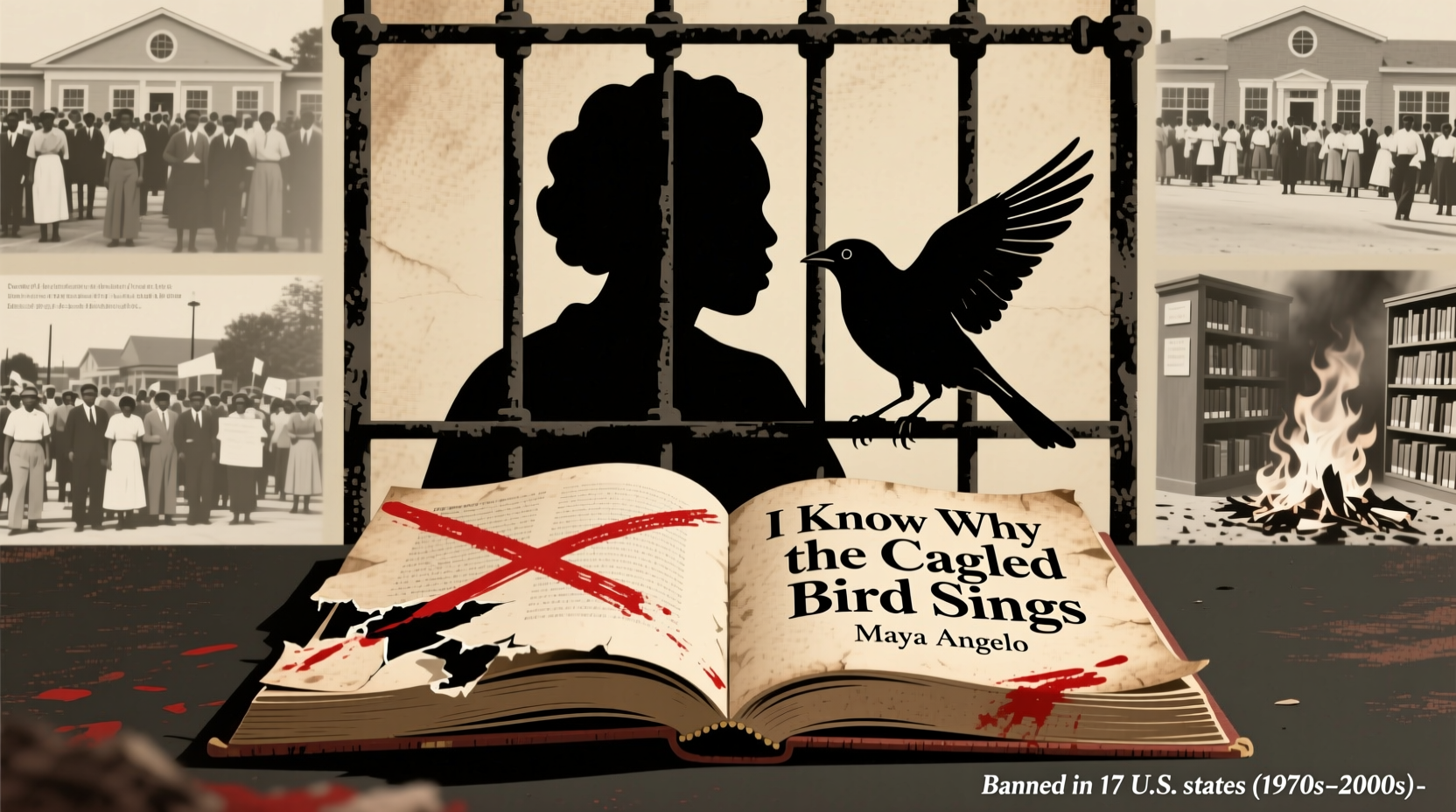
The primary reasons for banning or challenging I Know Why the Caged Bird Sings stem from its candid portrayal of sensitive topics. Critics—often parents, community members, or school board officials—have objected to several elements within the memoir:
- Sexual assault: The book recounts Maya Angelou’s experience of being raped at age eight by her mother’s boyfriend. Some challengers argue this scene is too graphic for younger readers.
- Profanity: The use of strong language, particularly racial slurs and vulgar terms, has prompted objections.
- Sexual content: Beyond the rape, the memoir includes references to adolescent sexual exploration, including Maya’s consensual but emotionally complex first sexual experience.
- Challenging racial themes: The book unflinchingly exposes systemic racism, segregation, and dehumanization experienced by Black Americans in the early 20th century—content some find uncomfortable or “divisive.”
- Religious concerns: Some religious groups have criticized the book for what they perceive as anti-religious sentiment or moral ambiguity.
A Timeline of Challenges and Bans
The history of challenges against I Know Why the Caged Bird Sings spans over five decades. Below is a chronological overview of key incidents:
- 1983 – Alabama: A school board removed the book from required reading lists, citing “explicit language and descriptions of sexuality.”
- 1993 – Wisconsin: Parents in Waukesha challenged the book due to the rape scene and profanity, leading to restricted classroom access.
- 2001 – California: The Anaheim Union High School District briefly pulled the book after a parent complaint, though it was later reinstated with parental consent requirements.
- 2005 – Florida: The book was challenged in Escambia County for “sexual content” and “inappropriate language,” but retained after review.
- 2010 – Texas: A parent in Llano County attempted to ban the book from the public library, calling it “anti-white” and “immoral.” The county eventually settled a lawsuit by restoring access.
- 2013 – Washington: Challenged in the Auburn School District for explicit content; remained on the curriculum after committee review.
- 2023 – Multiple States: Amid broader waves of book bans targeting race-related content, Angelou’s memoir resurfaced on challenge lists in Tennessee, Utah, and Iowa.
Do’s and Don’ts When Addressing Book Challenges
| Do | Don't |
|---|---|
| Engage in open dialogue with educators and librarians about curriculum choices. | Remove books without a formal review process involving educators and experts. |
| Consider the historical and cultural context of the work. | Judge a book solely based on isolated passages stripped of narrative purpose. |
| Provide alternative reading options for students with parental guidance. | Censor materials that reflect diverse experiences and voices. |
| Support intellectual freedom and First Amendment rights in schools. | Allow personal discomfort to override educational value. |
Expert Insight on Literary Value and Censorship
Literary scholars and free speech advocates consistently defend the book’s presence in educational settings. Its autobiographical honesty and poetic prose offer profound insights into the African American experience, childhood trauma, and personal growth.
“Banning I Know Why the Caged Bird Sings silences a voice that has helped generations understand the lasting impact of racism and abuse—and the power of resilience. We don’t protect children by hiding truth; we empower them by teaching them how to process it.” — Dr. Carla Thompson, Professor of African American Literature, Howard University
Organizations like the American Library Association (ALA) have repeatedly highlighted the book’s significance. According to the ALA’s Office for Intellectual Freedom, I Know Why the Caged Bird Sings ranked among the top 10 most challenged books in multiple years during the 2000s and 2010s.
Mini Case Study: The Llano County, Texas Ban (2021–2023)
In 2021, a single resident in Llano County, Texas, objected to several books in the public library system, including Angelou’s memoir. The commissioners voted to remove all copies, citing concerns over “pornographic” content and “anti-Christian” themes. The decision sparked national backlash and led to a lawsuit filed by the ACLU and PEN America.
After two years of legal pressure and public scrutiny, the county agreed to reinstate the books in 2023. The case became a symbol of the broader struggle over censorship in public institutions. Notably, no formal review committee had evaluated the books before removal, violating standard library policies.
This example illustrates how emotional reactions, rather than structured evaluation, can lead to unjustified censorship—even when dealing with canonical works recognized for their literary and historical importance.
Frequently Asked Questions
Is I Know Why the Caged Bird Sings still taught in schools?
Yes, despite repeated challenges, the book remains part of many high school English and social studies curricula, particularly in units on civil rights, autobiography, and American literature. Teachers often pair it with discussions on consent, racism, and mental health.
Why do some people support keeping the book in schools?
Educators argue that the memoir provides authentic representation of Black girlhood, fosters empathy, and encourages critical thinking about difficult social issues. Its lyrical prose and emotional depth make it a valuable tool for teaching both literature and life lessons.
Has Maya Angelou responded to the bans?
Prior to her passing in 2014, Angelou expressed surprise and disappointment at attempts to censor her work. In interviews, she stated, “All my work, all my life, has been about trying to say yes to the realness of our lives.” She believed that confronting pain through storytelling was essential to healing and understanding.
How to Support Access to Challenged Books
Concerned readers, educators, and parents can take concrete steps to protect intellectual freedom and ensure access to important works like I Know Why the Caged Bird Sings:
- Stay informed: Monitor local school board and library meetings where book challenges may arise.
- Advocate respectfully: Write letters or speak during public comment periods supporting inclusive, well-vetted curricula.
- Join advocacy groups: Organizations like the National Coalition Against Censorship, PEN America, and the ALA offer resources and action alerts.
- Donate copies: If a book is removed, consider donating it to a Little Free Library or student-led reading initiative.
- Educate others: Host discussions or share articles explaining the value of diverse literature.
Conclusion: Why This Book Still Matters
I Know Why the Caged Bird Sings endures not because it is comfortable, but because it is truthful. Its bans reflect societal discomfort with confronting painful histories and lived realities—especially those of marginalized communities. Yet, it is precisely this honesty that makes the memoir transformative for readers of all ages.
Efforts to remove the book from shelves often stem from good intentions—to protect young people from distressing content. But protection should not come at the cost of erasure. Instead, guided discussion, contextual teaching, and respect for diverse experiences can turn challenging texts into tools for growth.
As debates over book bans continue, remembering the legacy of Maya Angelou reminds us that stories matter—especially the ones that are hard to tell.
💬 What role should controversial books play in education? Share your thoughts, start a conversation with your local school board, or support organizations defending literary freedom today.








