Many dog owners enjoy sharing table scraps with their pets, especially during holidays when ham is a centerpiece on the dinner table. While it might seem harmless to toss a small piece to your eager pup, feeding ham to dogs carries significant health risks. Though not immediately toxic like chocolate or grapes, ham can lead to serious digestive issues, pancreatitis, and long-term complications due to its high fat, salt, and preservative content. Understanding these dangers—and knowing what safer alternatives exist—can help you protect your dog’s well-being without completely eliminating treats from their diet.
Why Ham Poses Health Risks for Dogs
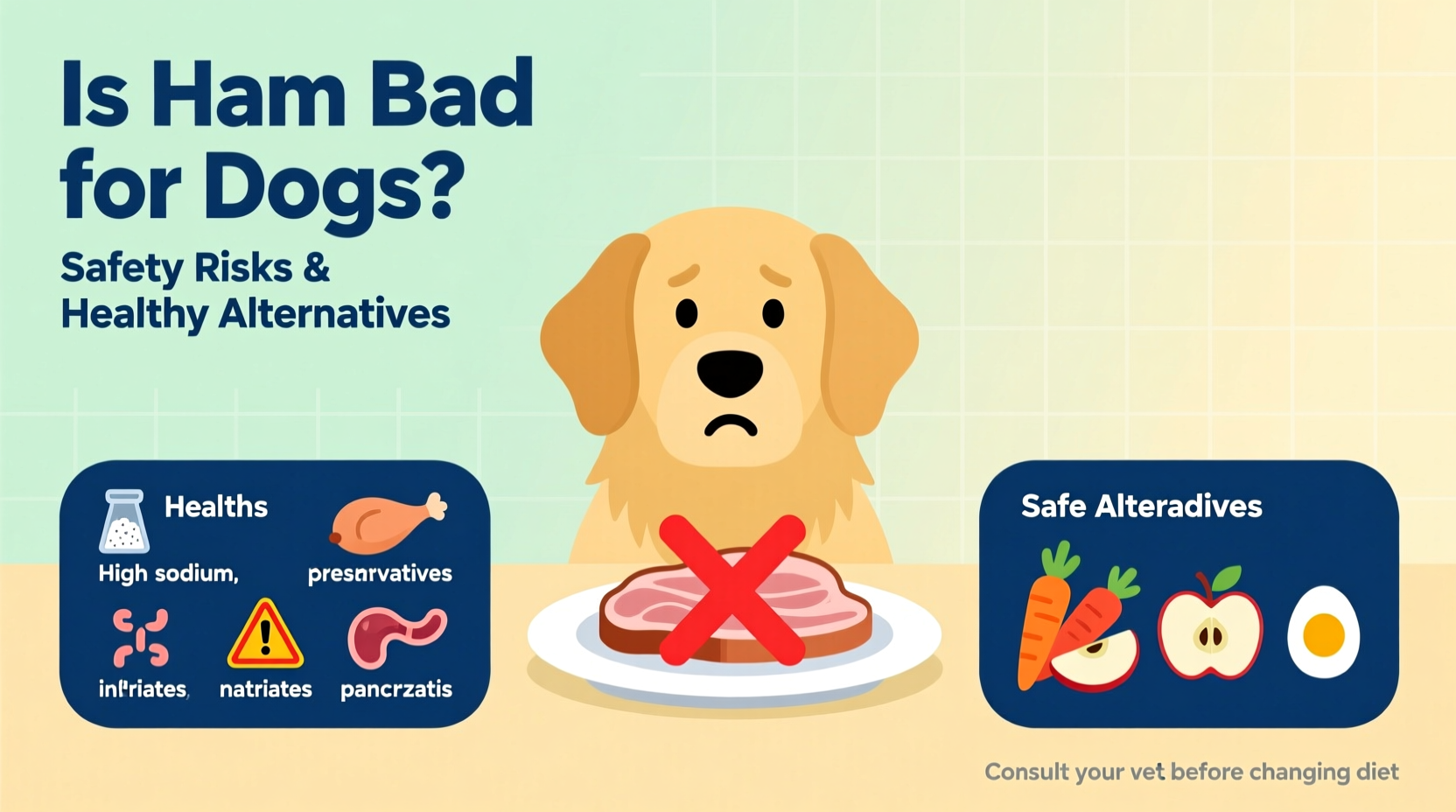
Ham is processed meat that typically contains high levels of sodium, fat, and chemical preservatives such as nitrates and nitrites. These components are problematic for dogs, whose digestive systems are not designed to handle rich or salty foods in the same way humans are.
Dogs consuming ham may experience immediate gastrointestinal distress, including vomiting, diarrhea, and excessive thirst due to dehydration from salt overload. In more severe cases, ingestion of fatty meats like ham can trigger pancreatitis—an inflammation of the pancreas that causes abdominal pain, lethargy, and loss of appetite. Pancreatitis can be life-threatening and often requires hospitalization.
Tip: Never feed cooked bones, fatty meats, or salty foods to dogs—even in small amounts. The risk outweighs any momentary pleasure.Common Symptoms After Eating Ham
If your dog has eaten ham, monitor them closely for the following signs:
- Excessive drooling or thirst
- Vomiting or diarrhea
- Lethargy or reluctance to move
- Swollen or painful abdomen
- Loss of appetite
- Shivering or discomfort
These symptoms may appear within hours or be delayed up to 24–48 hours after consumption. If your dog shows signs of distress, contact your veterinarian immediately.
Sodium and Fat: The Hidden Dangers
The danger in ham isn’t just one ingredient—it’s the combination of excessive sodium and fat. A single slice of deli ham can contain over 300mg of sodium, which is far beyond what a medium-sized dog should consume in an entire day. High sodium intake can lead to salt poisoning (sodium ion toxicity), especially in smaller breeds or dogs with kidney issues.
Similarly, the fat content in ham contributes to obesity and increases the risk of chronic conditions like diabetes and heart disease. Even lean-looking cuts retain enough fat to be hazardous when fed regularly.
“Feeding fatty human foods like ham is one of the most common preventable causes of pancreatitis in dogs. It only takes one indulgence to cause a medical emergency.” — Dr. Laura Bennett, DVM, Veterinary Internal Medicine Specialist
Safe Alternatives to Ham as Dog Treats
You don’t have to deprive your dog of tasty rewards. There are many nutritious, vet-approved alternatives that satisfy your pet without risking their health. Consider these options instead of ham:
| Alternative | Benefits | Preparation Tips |
|---|---|---|
| Plain Cooked Chicken | High in protein, low in fat, easily digestible | Boil without seasoning; remove skin and bones |
| Pumpkin (Plain, Canned) | Supports digestion, low calorie, fiber-rich | Use unsweetened puree, not pie filling |
| Carrot Sticks | Crunchy, low-calorie, promotes dental health | Wash thoroughly; cut into bite-sized pieces |
| Cooked Sweet Potato | Rich in vitamins A and C, supports immune function | Bake or boil without butter or spices |
| Green Beans (Steamed or Raw) | Low-calorie, full of fiber and antioxidants | Avoid canned versions with added salt |
These alternatives provide flavor and texture your dog will enjoy while supporting their overall health. Always introduce new foods gradually to avoid stomach upset.
Step-by-Step Guide: What to Do If Your Dog Eats Ham
If your dog sneaks a piece of ham or is accidentally fed some, follow this action plan to minimize harm:
- Assess the amount consumed: Was it a small bite or a large portion? Larger quantities increase risk.
- Check for bones or seasonings: Did the ham contain garlic, onion, or other toxic ingredients? These require urgent attention.
- Monitor for symptoms: Watch closely for vomiting, diarrhea, or unusual behavior over the next 48 hours.
- Provide fresh water: Encourage hydration to counteract sodium effects.
- Contact your vet: Call even if symptoms haven’t appeared—early intervention prevents escalation.
- Follow veterinary advice: Your vet may recommend inducing vomiting, fasting, or bringing your dog in for evaluation.
Mini Case Study: Max the Beagle and the Holiday Ham Incident
During a family Thanksgiving dinner, 2-year-old Max, a curious beagle, managed to snatch a 3-inch piece of glazed ham from a guest’s plate. His owners thought it was harmless—a small treat during the festivities. Within six hours, Max became lethargic, vomited twice, and refused his dinner. By morning, he was whimpering when touched near his abdomen.
Rushed to the vet, Max was diagnosed with mild pancreatitis. Blood tests showed elevated pancreatic enzymes, and an ultrasound confirmed inflammation. He was hospitalized for two days on IV fluids and anti-nausea medication. The vet traced the cause directly to the high-fat ham. After recovery, Max’s diet was transitioned to low-fat kibble, and his family committed to keeping holiday food out of reach.
This real-life example underscores how even a small amount of ham can lead to serious consequences—especially in smaller or predisposed breeds.
Checklist: Safe Feeding Practices for Dogs
To ensure your dog stays healthy around mealtime, use this checklist:
- ✅ Avoid feeding processed meats like ham, bacon, or sausages
- ✅ Choose plain, unseasoned proteins for homemade treats
- ✅ Limit treats to no more than 10% of daily caloric intake
- ✅ Read labels on store-bought treats for sodium and fat content
- ✅ Train family members and guests not to feed the dog from the table
- ✅ Use puzzle toys or dental chews as healthy treat alternatives
- ✅ Consult your vet before introducing new foods, especially for dogs with health conditions
Frequently Asked Questions
Can dogs eat ham bones?
No. Cooked ham bones are brittle and can splinter, causing choking, intestinal blockages, or internal injuries. Never give any cooked bones to dogs.
Is turkey a safer alternative to ham for dogs?
Plain, cooked turkey without skin, seasoning, or stuffing is generally safer than ham. However, it should still be given in moderation due to fat content. Avoid giving dark meat or skin, which are higher in fat.
How much ham is too much for a dog?
There is no safe amount of ham for regular feeding. Even small portions contain excessive sodium and fat. Occasional tiny bites may not cause immediate harm in large, healthy dogs, but they should never become routine.
Conclusion: Making Smarter Choices for Your Dog’s Diet
While it’s tempting to share festive foods with your dog, ham is one treat best left off their menu. The risks associated with high sodium, fat, and preservatives far outweigh any short-term satisfaction. By choosing safer, nutrient-rich alternatives and staying vigilant about what your dog consumes, you support a longer, healthier life for your furry companion.
💬 Have a story about your dog and human food? Share your experience or questions below. Let’s build a community of informed pet owners who make choices based on health, not habit.








