Cat owners today are faced with an overwhelming number of pet food choices—especially when it comes to grain-free options. Shelves in pet stores are lined with bags and cans boasting \"grain-free,\" \"natural,\" and \"holistic\" labels, often at premium prices. But is grain-free cat food truly better for your feline companion, or is it simply a clever marketing strategy capitalizing on human dietary trends?
To answer this question, we need to look beyond the packaging and examine what cats actually need nutritionally, whether grains are harmful, and how commercial pet food formulations align with feline biology. The truth lies somewhere between genuine health benefits and aggressive branding.
Understanding Feline Nutrition: What Cats Are Designed to Eat
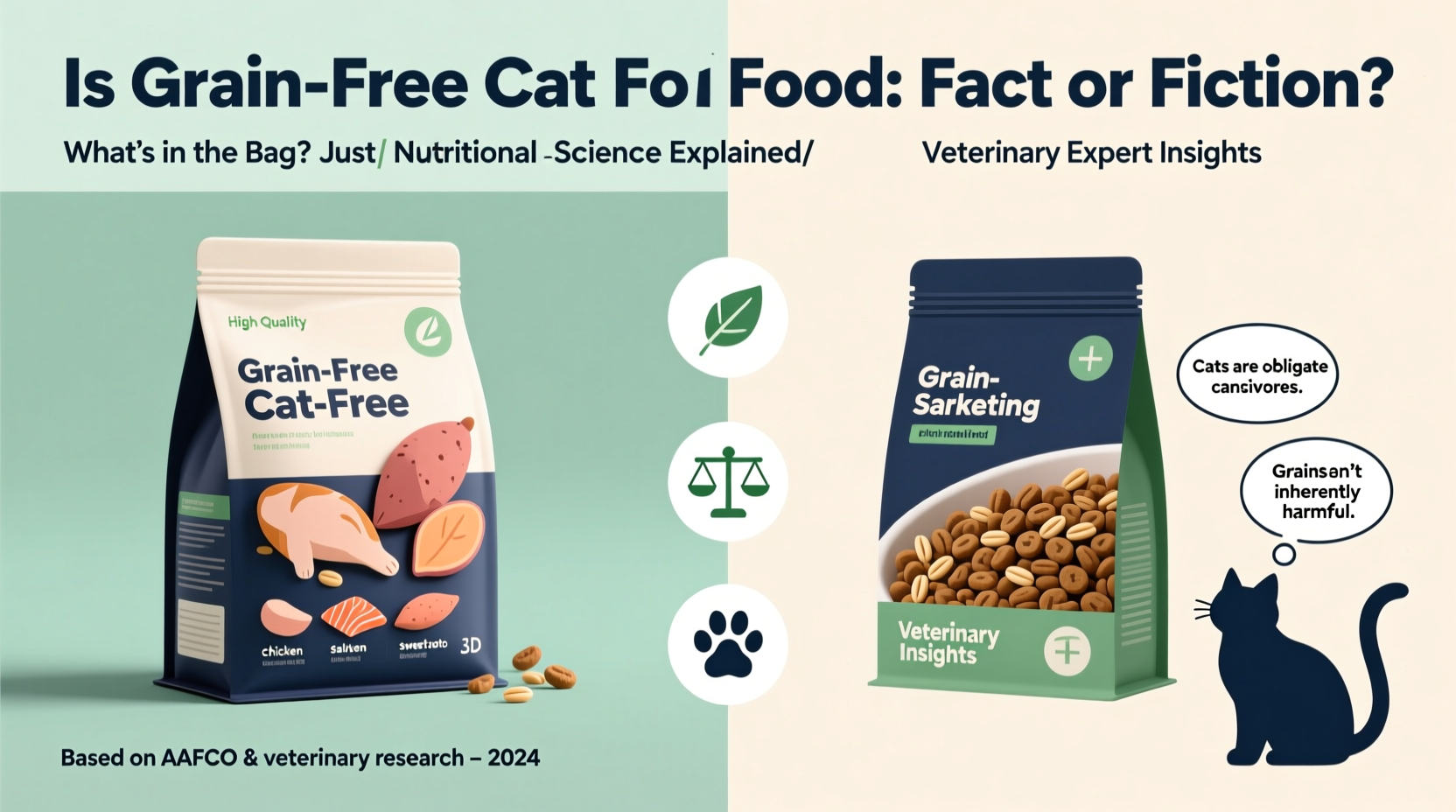
Cats are obligate carnivores, meaning their bodies are biologically adapted to thrive on animal-based proteins. Unlike omnivores such as humans or dogs, cats require specific nutrients found almost exclusively in meat—such as taurine, arachidonic acid, preformed vitamin A, and certain B vitamins. Their digestive systems are short and acidic, optimized for processing animal tissue rather than plant matter.
In the wild, a cat’s diet consists primarily of small prey like birds, rodents, and insects—all high in protein and moisture, low in carbohydrates, and devoid of grains. This evolutionary background shapes their nutritional needs. However, domestication and commercial pet food have introduced ingredients that wouldn’t naturally be part of a cat’s diet, including corn, wheat, soy, rice, and other cereal grains.
The presence of grains in cat food has sparked debate. Critics argue that grains are fillers with little nutritional value for cats and may contribute to allergies or obesity. Proponents of grain-inclusive foods counter that properly processed grains can provide energy, fiber, and essential nutrients without harming healthy cats.
“Cats don’t have a dietary requirement for carbohydrates, but they can metabolize them efficiently in moderate amounts. The key is quality and balance.” — Dr. Sarah Thompson, DVM, Board-Certified Veterinary Nutritionist
Why Grain-Free Became Popular: Trends vs. Science
The rise of grain-free cat food parallels the human paleo and gluten-free movements. As more people began avoiding grains for perceived health benefits, pet food manufacturers followed suit, rebranding formulas to appeal to health-conscious owners. Marketing language often equates “grain-free” with “clean,” “natural,” or “ancestral,” suggesting these diets are closer to what cats would eat in the wild.
However, scientific evidence does not universally support these claims. According to the Association of American Feed Control Officials (AAFCO), there is no requirement for cat food to be grain-free. Many grain-containing commercial diets meet or exceed feline nutritional standards and are safe for long-term feeding.
One major misconception is that grains are common allergens in cats. In reality, food allergies in cats are relatively rare, and when they do occur, the most frequent culprits are animal proteins like beef, dairy, and fish—not grains. A study published in the *Journal of Feline Medicine and Surgery* found that less than 5% of feline skin conditions were linked to food allergies, and among those, corn ranked far below animal-derived ingredients as a trigger.
Tip: Don't assume your cat has a grain allergy just because it scratches or vomits occasionally. These symptoms can stem from numerous causes, including parasites, environmental allergens, or gastrointestinal disorders.When Grain-Free Might Actually Help
While grain-free diets aren't necessary for all cats, they can offer real benefits in specific situations:
- Digestive sensitivity: Some cats react poorly to certain grains, especially if they’re poorly digested or present in large quantities. Switching to a grain-free formula may reduce bloating, gas, or loose stools in sensitive individuals.
- Carbohydrate reduction: Grain-free foods often contain fewer carbohydrates overall, which can be beneficial for overweight cats or those with diabetes. Lower carb intake helps regulate insulin levels and supports weight management.
- High-protein focus: Many grain-free brands replace grains with legumes (like peas or lentils) or potatoes, allowing for higher protein content. For active or underweight cats, this can support muscle maintenance and energy levels.
- Veterinary recommendation: In cases of confirmed inflammatory bowel disease (IBD) or food intolerance, veterinarians may recommend a grain-free or limited-ingredient diet as part of a diagnostic elimination trial.
It's important to note, however, that “grain-free” does not automatically mean “low-carb” or “high-protein.” Some grain-free formulas substitute grains with starchy vegetables that can raise the glycemic load even more than traditional grains. Always read the guaranteed analysis and ingredient list carefully.
A Word of Caution: The Legume Concern
In recent years, the U.S. Food and Drug Administration (FDA) has investigated a potential link between grain-free diets—particularly those high in legumes and potatoes—and dilated cardiomyopathy (DCM), a serious heart condition, in dogs. While the majority of cases involve dogs, especially breeds like golden retrievers, the concern has spilled over into cat nutrition discussions.
Although there is currently no conclusive evidence linking grain-free cat food to DCM in felines, the FDA advises caution when feeding diets rich in legumes as primary ingredients. Taurine deficiency, which can lead to heart problems, has been found in some pets eating certain grain-free foods, possibly due to altered nutrient bioavailability.
Grain-Free vs. Grain-Inclusive: A Practical Comparison
| Factor | Grain-Free Cat Food | Grain-Inclusive Cat Food |
|---|---|---|
| Nutritional Adequacy | Can be complete and balanced if formulated correctly | Often meets AAFCO standards; widely tested |
| Protein Source | Frequently higher in animal protein | May include plant-based proteins; varies by brand |
| Carbohydrate Level | Generally lower, but depends on substitutes used | Typically higher due to grains |
| Allergen Risk | Lower risk for grain-sensitive cats; watch for legume reactions | Low risk for most cats; grain allergies are rare |
| Cost | Usually 20–50% more expensive | More affordable; wide price range available |
| Veterinary Support | Recommended only in specific medical cases | Commonly recommended for general health |
Real Example: Bella’s Turnaround on a New Diet
Bella, a 4-year-old domestic shorthair, had chronic soft stools and occasional vomiting for nearly a year. Her owner switched her between several grain-free brands hoping for improvement, believing grains were the culprit. After multiple failed attempts, she took Bella to a veterinary internal medicine specialist.
Diagnostic testing revealed Bella wasn’t allergic to grains—but she was reacting to chicken, which was the primary protein in all the foods she’d been eating. The vet recommended a novel protein diet with duck and potato—ironically, a grain-inclusive formula with minimal additives. Within six weeks, Bella’s digestion normalized completely.
This case illustrates a common pitfall: focusing on grains while overlooking the actual source of dietary issues. Just because a food is labeled “grain-free” doesn’t mean it’s hypoallergenic or suitable for every cat.
How to Choose the Right Food: A Step-by-Step Guide
Selecting the best diet for your cat shouldn’t hinge on buzzwords. Follow this practical approach:
- Assess your cat’s health status: Is your cat overweight, diabetic, prone to urinary issues, or showing signs of allergies? These factors should guide your choice more than marketing claims.
- Read the ingredient list critically: Look for named animal proteins (e.g., “chicken meal,” “turkey”) listed first. Avoid vague terms like “meat by-products” or “plant derivatives.”
- Check the guaranteed analysis: Compare protein, fat, fiber, and moisture content. Wet food typically offers higher protein and lower carbs than dry.
- Consult your veterinarian: Before making any major diet change—especially to grain-free—discuss your cat’s individual needs. Bloodwork or allergy testing may be needed.
- Transition slowly: If switching foods, mix increasing amounts of the new food with the old over 7–10 days to avoid digestive upset.
- Monitor results: Track changes in coat quality, energy, litter box habits, and weight. Revert or adjust if negative symptoms appear.
Frequently Asked Questions
Do cats need grains in their diet?
No, cats do not have a biological requirement for grains. However, they can digest and utilize nutrients from well-cooked grains like rice or barley in moderation. Grains can provide energy, fiber, and essential amino acids when used appropriately in balanced formulas.
Can grain-free food cause heart problems in cats?
There is currently no direct evidence linking grain-free diets to dilated cardiomyopathy (DCM) in cats, unlike in some dog breeds. However, diets extremely high in legumes may affect taurine metabolism. To be safe, ensure your cat’s food contains adequate taurine and is produced by a reputable brand that conducts feeding trials.
Is grain-free better for cats with allergies?
Not necessarily. Most feline food allergies are caused by animal proteins, not grains. If your cat has a suspected food allergy, a veterinary-guided elimination diet using novel or hydrolyzed proteins is more effective than simply going grain-free.
Final Thoughts: Beyond the Hype
Grain-free cat food isn’t inherently superior—it’s a dietary option that may benefit certain cats under specific circumstances. For healthy cats, a well-formulated grain-inclusive diet can be perfectly nutritious and more cost-effective. The decision should be based on your cat’s individual health, not fear-driven marketing.
The pet food industry profits from creating perceived problems where none exist. “Grain-free” sounds cleaner, purer, and more natural, but it doesn’t guarantee better outcomes. What matters most is the overall quality of ingredients, nutrient balance, and suitability for your cat’s life stage and medical history.
Rather than chasing trends, focus on feeding a diet that’s appropriate, consistent, and supported by veterinary expertise. Your cat doesn’t care about labels—they care about feeling good, staying energetic, and being free from discomfort.
💬 Have you tried grain-free food for your cat? Share your experience in the comments—your insights could help another pet owner make a smarter choice.








