In recent years, glitter has evolved from a simple cosmetic accessory into a cultural symbol of celebration and self-expression. Whether used for festivals, photoshoots, or everyday glam, glitter adds sparkle to personal style. However, growing awareness about environmental and health impacts has led many to question the safety of traditional glitter—especially when applied to sensitive areas like the scalp and hair. Enter biodegradable glitter: marketed as an eco-friendly alternative, but is it truly safer? This article examines the composition, safety profile, and practical implications of using biodegradable versus traditional glitter on hair and scalp.
Understanding Traditional Glitter: Composition and Risks
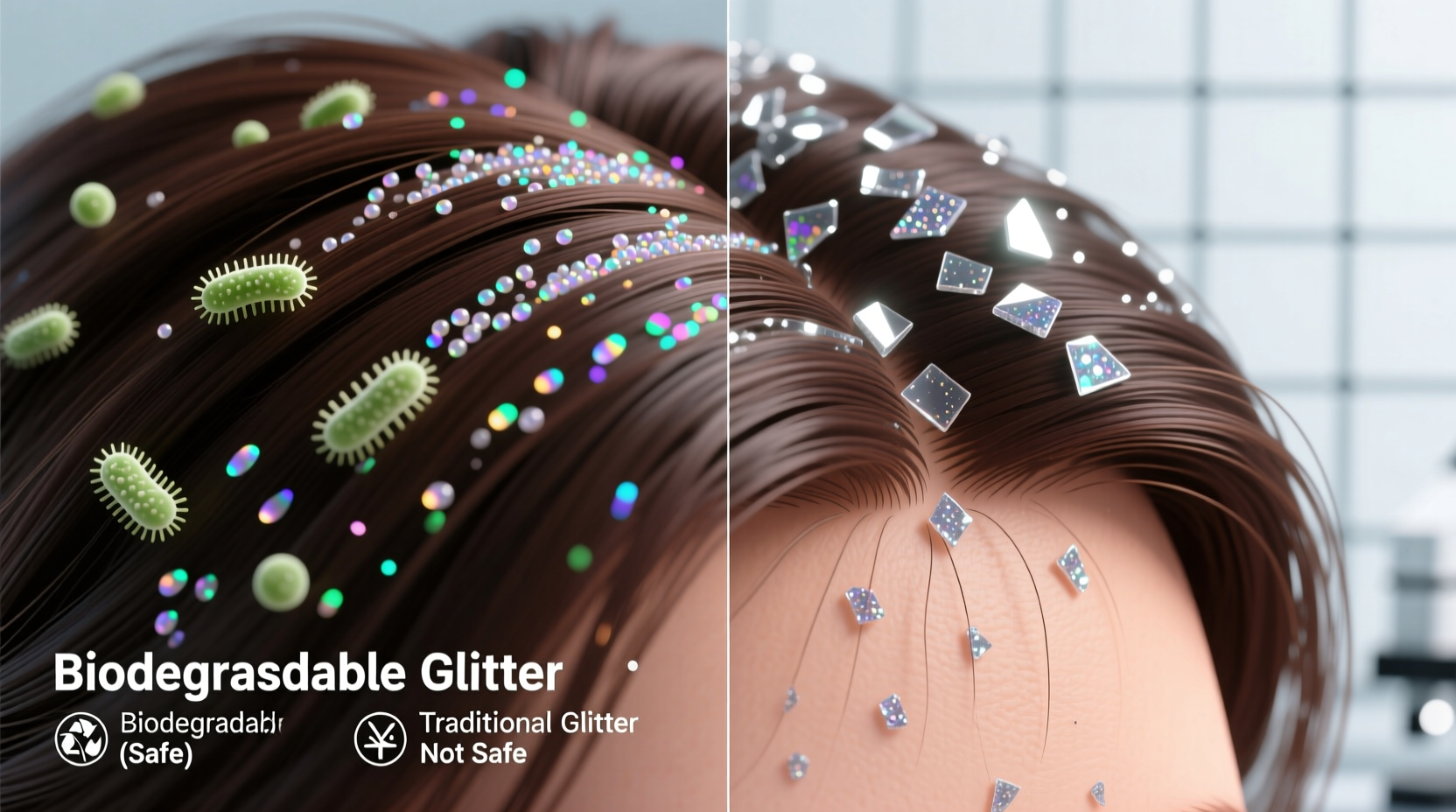
Traditional glitter is typically made from plastic films such as polyethylene terephthalate (PET) or metallized polyester. These microplastics are coated with aluminum or other reflective materials to create shimmer. While visually appealing, these particles pose several concerns when used on the scalp and hair:
- Mechanical irritation: Sharp edges on plastic glitter can scratch the scalp, especially in individuals with sensitive skin or existing conditions like dermatitis.
- Clogged follicles: Tiny plastic flakes may accumulate at the base of hair shafts, potentially contributing to folliculitis or scalp acne.
- Chemical exposure: Some traditional glitters contain solvents or dyes that may cause allergic reactions or contact dermatitis.
- Environmental persistence: When washed out, these non-biodegradable particles enter waterways, harming aquatic life and contributing to microplastic pollution.
The U.S. Food and Drug Administration (FDA) permits certain synthetic glitters in cosmetics, but only under strict guidelines regarding particle size and material safety. Even so, long-term scalp exposure remains understudied, raising valid concerns among dermatologists and environmental scientists alike.
Tip: Avoid applying traditional glitter directly onto broken or irritated scalp skin—it increases the risk of inflammation and infection.What Makes Glitter \"Biodegradable\"?
Biodegradable glitter is engineered to break down naturally in the environment, usually within weeks to months under composting conditions. Unlike its plastic-based counterpart, it’s often derived from plant cellulose—typically sourced from eucalyptus or sustainably farmed hardwoods. The cellulose film is then treated with natural mineral coatings (like mica) to achieve shine without relying on synthetic polymers.
Key features of biodegradable glitter include:
- Compliance with ISO 14851/14852 standards for aerobic biodegradation in water or soil.
- Absence of PET, PVC, and acrylates.
- Use of cosmetic-grade, non-toxic pigments approved for skin contact.
- Finer, smoother particle structure designed to reduce abrasiveness.
While “biodegradable” sounds universally positive, it's crucial to note that not all biodegradable glitters are created equal. Some degrade only under industrial composting conditions—not in home drains or marine environments. Always verify certifications like OK Biodegradable WATER or TÜV Austria labels before purchase.
“Just because a product claims to be biodegradable doesn’t mean it breaks down safely in your bathroom sink. Look for third-party verification.” — Dr. Lena Patel, Cosmetic Chemist & Sustainability Researcher
Safety Comparison: Biodegradable vs. Traditional Glitter on Scalp and Hair
When evaluating safety for direct application to the scalp and hair, multiple factors come into play: physical texture, chemical formulation, ease of removal, and potential for irritation. Below is a detailed comparison:
| Criteria | Traditional Glitter | Biodegradable Glitter |
|---|---|---|
| Material Base | Polyester/PET (plastic) | Cellulose (plant-based) |
| Particle Texture | Often sharp, jagged edges | Smooth, rounded edges |
| Scalp Irritation Risk | Higher, especially with prolonged wear | Lower due to softer texture |
| Allergen Potential | May contain allergenic dyes or metals | Typically uses hypoallergenic pigments |
| Washability | Sticks to hair; hard to fully remove | Easier to rinse out; less residue |
| Environmental Impact | Persists for decades in ecosystems | Degrades within 4–8 weeks in proper conditions |
| Regulatory Approval | FDA-approved types exist, but vary widely | Many meet EU Cosmetics Regulation (EC 1223/2009) |
The data suggests that biodegradable glitter generally poses fewer risks to both users and the environment. Its smoother surface reduces mechanical stress on the scalp, while its organic base minimizes chemical sensitization. Additionally, because it dissolves more readily during washing, there’s less chance of buildup in hair follicles or plumbing systems.
Real-World Example: Festival Use Case
Consider Maya, a 28-year-old makeup artist who regularly applies glitter for music festival attendees. In previous years, she used conventional glitter for bold eye and face designs, including along the hairline. After two consecutive summers, several clients reported itching, flaking, and even minor infections along their scalp edges. One client developed inflamed bumps consistent with folliculitis.
After researching alternatives, Maya switched to certified biodegradable glitter. She noticed immediate differences: easier application, reduced fallout, and—most importantly—no reports of irritation despite extended wear in hot, sweaty conditions. Follow-up surveys showed 92% of her clients preferred the feel of biodegradable glitter, citing comfort and gentleness as key reasons.
This anecdote aligns with broader trends in professional beauty: increasing preference for sustainable, skin-safe products that perform well under real-world conditions.
How to Use Biodegradable Glitter Safely on Hair and Scalp
Even safe products require proper usage. To maximize benefits and minimize risks when applying biodegradable glitter to hair and scalp, follow this step-by-step guide:
- Cleanse first: Wash your hair and scalp thoroughly before application. A clean surface reduces the risk of trapping bacteria under glitter layers.
- Choose the right adhesive: Use a cosmetic-grade glitter gel or setting spray specifically formulated for skin and hair. Avoid petroleum-based products that may clog pores.
- Apply with precision: Use a silicone brush or applicator to place glitter only where desired. Avoid heavy packing near hair roots unless necessary.
- Limits duration: Don’t leave glitter on for more than 24 hours continuously. Prolonged wear—even with biodegradable options—can lead to moisture imbalance and mild irritation.
- Remove gently: Soak hair in warm water and use a sulfate-free shampoo to loosen particles. A wide-tooth comb helps dislodge trapped flakes without damaging hair.
- Rinse completely: Double-wash if needed to ensure no residue remains, particularly around the nape and behind ears.
- Moisturize after: Apply a lightweight scalp serum or conditioner to restore hydration post-removal.
Checklist: Choosing a Safe Biodegradable Glitter
- ✅ Look for certification: OK Biodegradable WATER or Seedling logo
- ✅ Confirm it’s made from cellulose, not PLA or synthetic films
- ✅ Check ingredient list for absence of parabens, phthalates, and microplastics
- ✅ Verify suitability for facial and scalp use (not just crafts)
- ✅ Prefer brands that disclose sourcing and testing methods
Frequently Asked Questions
Can biodegradable glitter still cause allergies?
Yes, although rare. While the base material is less likely to irritate, some people may react to added colorants or fragrances. Always perform a patch test behind the ear 24 hours before full application.
Does biodegradable glitter dissolve in water immediately?
No. It does not instantly dissolve like sugar. Degradation occurs over time through microbial action in compostable environments. During washing, most particles rinse away intact but will break down later in wastewater treatment facilities that support biodegradation.
Is it safe to use biodegradable glitter on children’s hair?
Generally yes—if labeled safe for cosmetic use. Opt for larger particle sizes to reduce inhalation risk, and avoid applying near eyes or mouth. Supervise young children during application and removal.
Final Thoughts and Call to Action
The shift toward biodegradable glitter represents more than just an environmental upgrade—it’s a meaningful step toward safer, more responsible beauty practices. For those who love sparkle but care about scalp health and planetary impact, biodegradable glitter offers a compelling alternative to traditional plastic-based versions. With smoother textures, lower irritation potential, and verified breakdown pathways, it stands out as a smarter choice for frequent or sensitive users.
That said, vigilance matters. Not all “eco-friendly” labels are trustworthy. Consumers must read beyond marketing claims and seek transparent, science-backed products. As regulations evolve and consumer demand grows, the industry is moving toward higher standards—but progress depends on informed choices.
🚀 Ready to make the switch? Start by replacing one bottle of traditional glitter with a certified biodegradable option. Share your experience online to inspire others—because sustainable beauty shouldn’t be hidden. Let’s shine smarter, together.








