
Glitter has long been a symbol of celebration—adorning faces, clothing, and crafts with shimmering brilliance. But as awareness grows about microplastic pollution, traditional plastic-based glitter has come under scrutiny. In response, biodegradable glitter has emerged as a popular eco-friendly alternative. Marketed as a guilt-free way to sparkle, it promises both safety for the skin and sustainability for the planet. But how truthful are these claims? Is biodegradable glitter truly safe—or just another example of greenwashing in disguise?
The answer isn’t straightforward. While many biodegradable glitters represent a significant improvement over conventional options, their safety depends on ingredients, manufacturing standards, and disposal conditions. Understanding the nuances behind the label is essential for making informed choices that protect both personal health and environmental well-being.
What Makes Glitter Biodegradable?
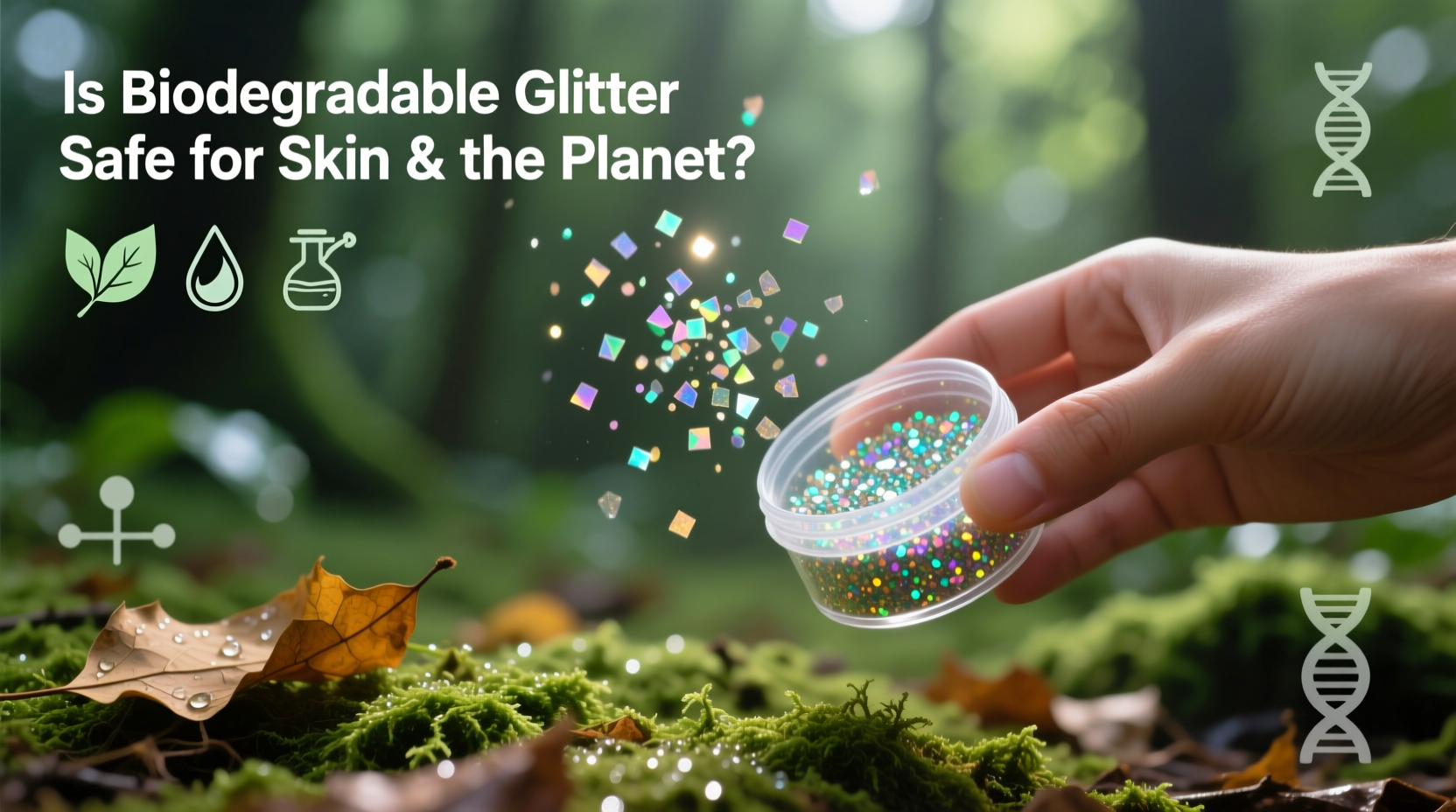
Traditional glitter is typically made from polyethylene terephthalate (PET) or aluminum-coated plastic films—materials derived from fossil fuels that resist degradation and persist in ecosystems for decades. These microplastics enter waterways through wastewater, where they’re ingested by marine life and can eventually make their way up the food chain.
In contrast, biodegradable glitter is engineered to break down under specific environmental conditions. Most eco-friendly variants use cellulose-based films derived from sustainably sourced eucalyptus or other plant materials. This film is then coated with non-toxic pigments and aluminum oxide (a safer alternative to metallic aluminum), creating a shimmer effect without relying on synthetic plastics.
The key differentiator lies in biodegradability: true biodegradable glitter decomposes into natural substances like water, carbon dioxide, and biomass when exposed to microbial activity in industrial composting environments. However, not all “eco” glitters meet this standard. Some merely fragment into smaller pieces without fully mineralizing—a process known as \"biofragmentation,\" which still contributes to microplastic pollution.
Tip: Look for third-party certifications like OK Biodegradable WATER or TÜV Austria certification, which verify full biodegradation in aquatic environments.Skin Safety: Are Natural Ingredients Enough?
For facial and body application, skin compatibility is paramount. Many consumers assume that because a product is labeled “biodegradable,” it must also be gentle on the skin. While this is often true, it’s not guaranteed.
High-quality biodegradable glitters designed for cosmetic use are free from parabens, microplastics, and harsh solvents. They typically use food-grade dyes and are dermatologically tested to ensure low irritation potential. Still, individual sensitivities vary. People with sensitive skin or allergies to plant-based compounds should perform a patch test before widespread application.
One common misconception is that all biodegradable glitters are suitable for direct skin contact. In reality, some are intended only for crafts or temporary tattoos and may contain binders or adhesives not approved for cosmetics. Always check whether the product complies with cosmetic regulations such as EU Regulation (EC) No 1223/2009 or FDA guidelines.
“Just because something breaks down in nature doesn’t mean it’s safe for human tissue. Cosmetic-grade purity and rigorous testing are non-negotiable.” — Dr. Lena Patel, Dermatological Toxicologist
Environmental Claims Under Scrutiny
The environmental promise of biodegradable glitter hinges on two factors: the material composition and the conditions required for decomposition. Herein lies a critical gap between marketing claims and real-world performance.
Most certified biodegradable glitters require high humidity, warm temperatures, and active microbial presence—conditions commonly found in industrial composting facilities but rarely in oceans, soil, or home compost bins. For instance, glitter washed off during a festival may end up in rivers where cold temperatures and low microbial activity slow or halt degradation entirely.
A 2020 study published in *Environmental Science & Technology* found that certain “biodegradable” glitter samples showed minimal breakdown after six months in simulated freshwater environments. Only those meeting strict certification standards (e.g., OK Biodegradable WATER) demonstrated complete mineralization within one year.
This highlights a major issue: lack of regulation around labeling. Unlike terms like “organic” in food, “biodegradable” in cosmetics isn’t uniformly defined or policed. Brands may use the term loosely, capitalizing on consumer concern without delivering measurable environmental benefits.
| Glitter Type | Base Material | Biodegrades in Soil? | Biodegrades in Water? | Certified Compostable? |
|---|---|---|---|---|
| Conventional Plastic Glitter | PET/Aluminum | No | No | No |
| Plant-Based Biodegradable (Certified) | Cellulose from Eucalyptus | Yes (industrial) | Yes (with certification) | Yes (TÜV-certified) |
| “Eco-Friendly” Fragmenting Glitter | Oxidized PET | No (fragments only) | No | No |
| Mica-Based Natural Sparkle | Mineral Mica | N/A (inert mineral) | N/A | No (but non-plastic) |
How to Choose Truly Safe and Sustainable Glitter
With so much ambiguity in the market, selecting a genuinely sustainable and skin-safe glitter requires careful evaluation. Relying solely on packaging slogans like “eco-glitter” or “planet-friendly” is insufficient. Instead, follow a structured approach to verify authenticity and safety.
Step-by-Step Guide to Selecting Responsible Glitter
- Check for Certifications: Look for recognized labels such as OK Biodegradable WATER, OK Compost INDUSTRIAL, or TÜV Austria certification. These confirm that the product undergoes independent testing for full biodegradation.
- Review Ingredient Transparency: The manufacturer should clearly list raw materials. Avoid products with unspecified “biopolymers” or vague claims.
- Confirm Cosmetic-Grade Status: Ensure the glitter is explicitly labeled for facial or body use and complies with regional cosmetic safety laws.
- Assess Packaging: Even the most sustainable glitter loses credibility if packaged in non-recyclable plastic. Opt for brands using compostable or recyclable materials.
- Research the Brand: Reputable companies publish lab reports, sourcing details, and environmental impact data. Be wary of greenwashed websites heavy on imagery but light on facts.
Mini Case Study: Festival Face Art Gone Wrong
At a music festival in Cornwall, UK, organizers promoted an eco-conscious theme, encouraging attendees to use “biodegradable glitter” for face art. Over 10,000 people participated, rinsing glitter off in nearby streams afterward. Months later, local conservationists detected elevated levels of microplastic fragments in sediment samples.
Upon investigation, it was discovered that the majority of glitter used came from unbranded suppliers lacking proper certification. Though marketed as biodegradable, the product contained biofragmentable plastics that broke into smaller particles but did not fully degrade. The incident prompted the festival to partner with certified suppliers the following year and implement educational signage about responsible glitter use.
This case illustrates how good intentions, without verification, can lead to unintended ecological harm—even when alternatives appear sustainable on the surface.
Common Myths About Biodegradable Glitter
Several misconceptions cloud public understanding of biodegradable glitter. Dispelling them is crucial for informed decision-making.
- Myth: All glitter labeled “biodegradable” will dissolve in nature.
Reality: Only certified products under controlled conditions fully biodegrade. Many degrade slowly or incompletely outside industrial settings. - Myth: Biodegradable means edible or ingestible.
Reality: Despite being plant-based, no cosmetic glitter is meant for consumption. Ingestion can still cause digestive discomfort or allergic reactions. - Myth: It’s completely harmless to marine life.
Reality: Until fully broken down, even certified glitter particles can be mistaken for food by small organisms. Rapid degradation minimizes risk but doesn’t eliminate it instantly.
FAQ: Your Questions Answered
Can I flush biodegradable glitter down the drain?
No. Even certified biodegradable glitter should not be flushed. Wastewater systems are not equivalent to industrial composting environments. Flushing contributes to waterway contamination and overwhelms treatment plants. Dispose of used glitter in organic waste bins if available, or seal it in compostable packaging for landfill (as a last resort).
Is mica a better alternative to glitter?
Mica offers natural shimmer and is non-plastic, but its ethical and environmental footprint varies. Unsustainable mining practices have led to child labor concerns in some regions. Look for ethically sourced, synthetic mica or brands that disclose transparent supply chains. While mica doesn’t biodegrade, it doesn’t contribute to microplastic pollution either.
How long does biodegradable glitter take to break down?
In optimal industrial composting conditions (temperature ~58°C, high microbial activity), certified glitter can fully biodegrade within 6–12 months. In natural environments like soil or freshwater, the timeline extends significantly—sometimes beyond two years—depending on climate and microbial presence.
Action Plan: Using Glitter Responsibly
To enjoy glitter while minimizing harm, adopt a mindful usage strategy. Whether for celebrations, performances, or creative projects, follow this checklist to align fun with responsibility.
✅ Glitter Responsibility Checklist
- ☐ Choose only glitter with verified biodegradability certifications (e.g., OK Biodegradable WATER)
- ☐ Confirm suitability for skin application (cosmetic-grade)
- ☐ Apply in controlled environments to minimize runoff (e.g., indoors with wipe-down cleanup)
- ☐ Use reusable adhesive methods (e.g., makeup applied with sponges instead of sprays that disperse particles)
- ☐ Collect residue after use with damp cloths rather than washing down drains
- ☐ Support brands committed to full lifecycle accountability, including packaging and sourcing
Conclusion: Shine Consciously
Biodegradable glitter represents progress—but not perfection. When responsibly formulated, independently certified, and properly disposed of, it offers a far safer alternative to plastic glitter for both skin and ecosystems. Yet, its benefits are conditional. Without scrutiny, consumers risk supporting products that merely mimic sustainability while falling short in practice.
The rise of eco-conscious glitter reflects a broader shift toward accountability in beauty and lifestyle choices. As demand grows, so too must our diligence. By prioritizing transparency, demanding proof over promises, and adopting mindful habits, we can celebrate without compromising the planet.
🚀 Ready to make a difference? Share this guide with fellow glitter lovers, support certified sustainable brands, and spark conversations about what true environmental responsibility looks like—one sparkle at a time.








