
For many aspiring aquarium owners, the dream of a vibrant underwater world is often overshadowed by the reality of maintenance—scrubbing algae, testing water, replacing filters, and vacuuming gravel. Enter the promise of the “self-cleaning fish tank”: a system that handles all these chores automatically, requiring little more than feeding your fish. It sounds like a breakthrough. But is it truly self-cleaning, or is this just marketing hype masking a flawed concept?
The short answer: no aquarium is 100% self-cleaning. However, modern technology has brought us remarkably low-maintenance tanks that automate key processes, drastically reducing the hands-on effort required. Understanding what \"self-cleaning\" actually means—and where the limits lie—is essential for making an informed decision.
What Does “Self-Cleaning” Really Mean?
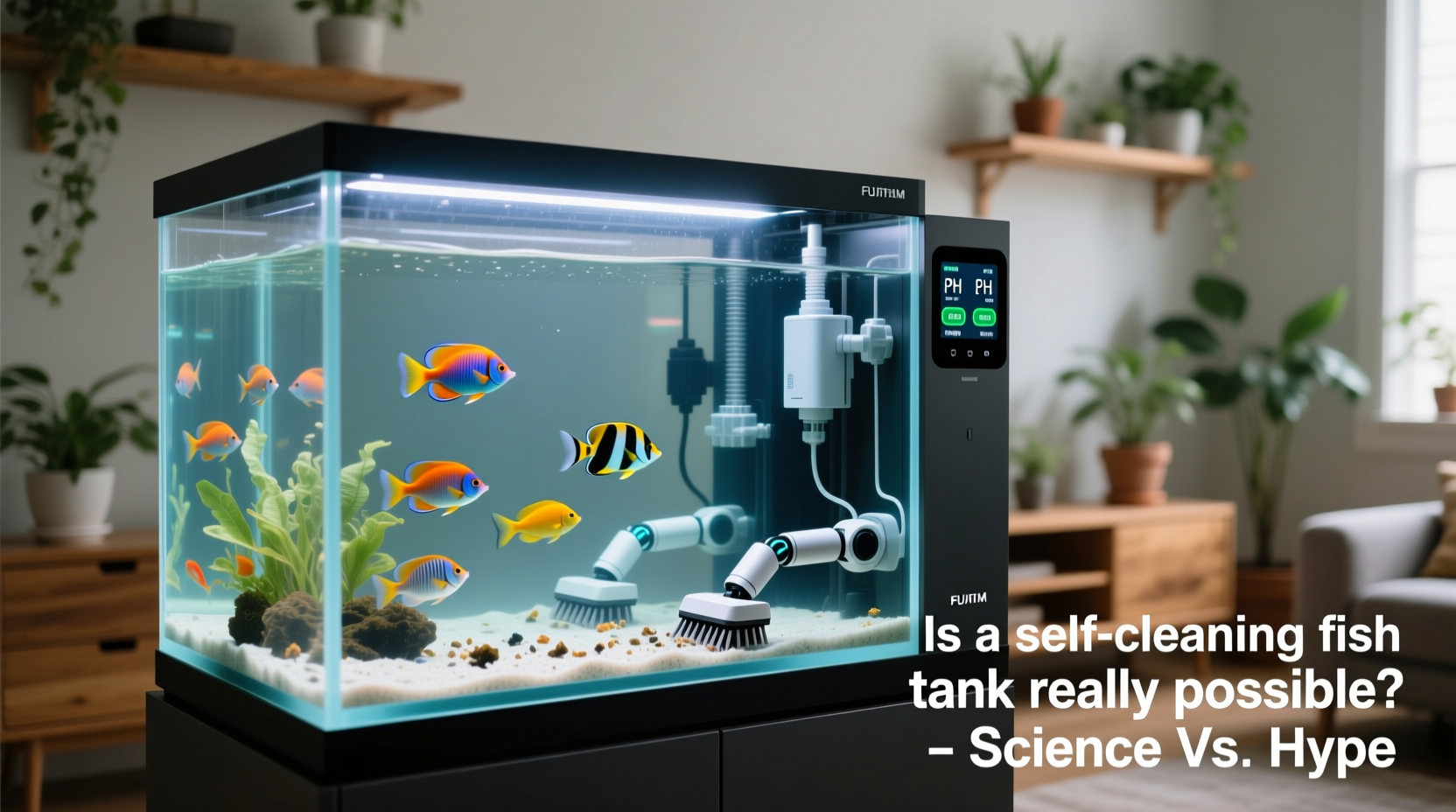
In the context of aquariums, “self-cleaning” doesn’t mean zero maintenance. Instead, it refers to tanks equipped with integrated filtration, water circulation, and waste removal systems designed to minimize manual upkeep. These systems typically combine mechanical, biological, and sometimes chemical filtration with smart sensors and automated pumps.
True self-cleaning would imply that the tank manages all aspects of water quality, nutrient cycling, algae control, and debris removal without human intervention. In practice, even the most advanced systems still require periodic monitoring, filter media replacement, and occasional manual cleaning.
“While automation has come a long way, nature doesn’t run on autopilot. A balanced aquarium always needs some level of oversight.” — Dr. Lena Peterson, Aquatic Biologist and Aquarium Systems Researcher
How Do Self-Cleaning Tanks Work?
Most self-cleaning aquariums rely on a combination of technologies to reduce maintenance:
- Mechanical Filtration: Built-in pumps draw water through sponges, floss, or mesh to trap visible debris like fish waste and uneaten food.
- Biological Filtration: Beneficial bacteria colonies grow on porous media (like ceramic rings) to convert toxic ammonia into less harmful nitrates.
- Chemical Filtration: Activated carbon or phosphate removers help eliminate odors, discoloration, and excess nutrients.
- Automated Water Movement: Internal currents prevent stagnant zones and help direct waste toward intake tubes.
- Waste Collection Chambers: Some tanks feature removable trays or compartments that collect solid waste for easy disposal.
High-end models may include Wi-Fi connectivity, allowing users to monitor water temperature, pH levels, and filter status via smartphone apps. Others use timed feeders and LED lighting schedules to further reduce daily involvement.
Tip: Look for tanks with accessible filter compartments and clear waste collection indicators—this makes routine checks faster and less messy.The Reality Check: What Self-Cleaning Tanks Can’t Do
No matter how advanced the system, certain tasks remain beyond the reach of automation:
- Algae Control: While reduced light cycles and nutrient management can slow algae growth, glass and decorations still need regular wiping. Algae blooms from imbalances in light, CO₂, or nutrients cannot be fully prevented by hardware alone.
- Water Changes: Even with excellent filtration, nitrates accumulate over time. Most experts recommend replacing 10–25% of the water every 2–4 weeks to maintain optimal conditions.
- Filter Media Maintenance: Sponges clog, carbon saturates, and biological media degrade. These components must be rinsed or replaced regularly to maintain efficiency.
- Fish Health Monitoring: Automated systems don’t detect illness, aggression, or stress in fish. Observing behavior remains a critical human responsibility.
- System Failures: Pumps can stall, sensors can malfunction, and power outages can disrupt cycles. Without backup plans, these failures can quickly become catastrophic.
In essence, self-cleaning tanks shift the workload rather than eliminate it. You trade weekly scrubbing for monthly filter maintenance and vigilant monitoring. For busy professionals or beginners seeking simplicity, this is a valuable upgrade—but not a magic solution.
Case Study: The Busy Urban Professional’s Experience
Mark, a software engineer in Chicago, purchased a 20-gallon smart aquarium marketed as “nearly maintenance-free.” Advertised features included automatic feeding, UV sterilization, and a self-cleaning sump system that collected debris in a removable tray.
For the first six weeks, Mark was impressed. He spent less than five minutes per week checking the app and refilling the feeder. Algae growth was minimal, and water clarity remained high. Encouraged, he traveled for two weeks, relying entirely on automation.
Upon return, he found cloudy water, a clogged intake, and one of his tetras listless at the surface. Testing revealed elevated ammonia levels—the biological filter had been overwhelmed by accumulated waste the system failed to fully remove. After a 30% water change and deep clean, Mark resumed weekly maintenance checks.
His takeaway? “It cut my work in half, but I still have to pay attention. Calling it ‘self-cleaning’ made me complacent.”
Comparison: Traditional vs. Self-Cleaning Tanks
| Aspect | Traditional Tank | Self-Cleaning Tank |
|---|---|---|
| Weekly Cleaning Time | 30–60 minutes | 10–20 minutes |
| Water Changes Required | Every 1–2 weeks | Every 2–4 weeks |
| Filter Maintenance | Monthly, manual cleaning | Monthly, often easier access |
| Algae Buildup | Frequent, requires scraping | Reduced, but still occurs |
| Initial Cost | $50–$200 | $200–$600+ |
| Learning Curve | Moderate to high | Lower, with guided apps |
| Reliability | Depends on user consistency | Depends on tech + user oversight |
As the table shows, self-cleaning tanks offer convenience and time savings, especially for beginners. However, they come at a higher upfront cost and still require responsible ownership.
Step-by-Step Guide to Maximizing Your Self-Cleaning Tank’s Efficiency
To get the most out of your system while avoiding common pitfalls, follow this practical routine:
- Week 1: Setup and Cycling
Install the tank according to manufacturer instructions. Add dechlorinated water and begin the nitrogen cycle using a bacterial starter. Test ammonia, nitrite, and nitrate levels every few days until the cycle completes (typically 3–6 weeks). - Week 7: Introduce Fish Gradually
Start with a small number of hardy species. Avoid overstocking—this is the leading cause of filter overload, even in automated systems. - Monthly: Inspect and Clean Filter Components
Rinse mechanical media in old tank water (not tap water, which kills beneficial bacteria). Replace chemical media like carbon as recommended. - Every 3–4 Weeks: Perform Partial Water Changes
Replace 15–20% of the water to dilute nitrates and replenish trace minerals. Use a gravel vacuum if debris accumulates despite automation. - Ongoing: Monitor Behavior and Tech Alerts
Watch for signs of stress in fish—rapid gilling, hiding, or loss of appetite. Respond promptly to any app alerts about temperature, flow rate, or filter blockage.
Checklist: Is a Self-Cleaning Tank Right for You?
Before investing, ask yourself the following:
- ✅ Do I want to reduce—but not eliminate—maintenance time?
- ✅ Am I willing to perform monthly filter checks and water changes?
- ✅ Can I afford the higher initial cost compared to basic kits?
- ✅ Do I understand that automation isn’t foolproof?
- ✅ Am I prepared to respond if the system fails or fish show signs of distress?
If you answered yes to all, a self-cleaning tank could be a smart investment. If you expect zero effort, reconsider—no aquarium operates like a Roomba for fish.
Frequently Asked Questions
Do self-cleaning fish tanks really clean themselves?
No system fully cleans itself. These tanks automate filtration and waste collection but still require water changes, filter maintenance, and monitoring. The term “self-cleaning” is best understood as “low-maintenance” rather than autonomous.
Can I leave a self-cleaning tank unattended for weeks?
Short absences (5–7 days) are usually manageable with automatic feeders and reliable equipment. Beyond that, risks increase significantly. Power failures, clogs, or unnoticed health issues can turn a vacation into a disaster. Consider a pet sitter for longer trips.
Are self-cleaning tanks good for beginners?
Yes—with caveats. They simplify setup and reduce daily tasks, making them appealing for new hobbyists. However, beginners must still learn aquarium fundamentals like the nitrogen cycle and water chemistry. Relying solely on automation without understanding the biology can lead to avoidable mistakes.
Final Verdict: Possible? Yes. Magical? No.
A self-cleaning fish tank is not a myth, but it’s also not a miracle. Modern engineering has produced systems that dramatically reduce the labor involved in aquarium care. From built-in filtration to smart monitoring, today’s tanks do handle many tedious tasks automatically.
Yet, the core principles of aquatic husbandry remain unchanged. Fish produce waste. Bacteria need balance. Algae thrive under light. And technology can fail. The most successful aquarium owners—whether using basic or high-tech setups—are those who treat their tanks as living ecosystems, not appliances.
The truth is, “self-cleaning” is a spectrum, not a switch. At best, these systems act as capable assistants, doing the heavy lifting while you focus on observation, enrichment, and enjoyment. They lower the barrier to entry but don’t remove responsibility.
🚀 Ready to explore low-maintenance aquariums? Start by researching reputable brands like EcoQube, Fluval Flex, or Aqueon Pro Series. Read real user reviews, understand the maintenance requirements, and remember: the health of your fish depends on your engagement, not just the gadgetry. Share your experiences or questions below—we’d love to hear what works for you.








