
For years, dog owners have relied on simple collars and leashes for walks, but as canine health and behavior research advances, the conversation has shifted. Many are now turning to dog harness leash sets—designed to distribute pressure more evenly and reduce strain on a dog’s neck. But is this trend actually better, or just another pet product fad? We’ve gathered real-world feedback from dozens of pet owners, analyzed veterinary recommendations, and compared practical use cases to answer that question thoroughly.
Why Harness Leash Sets Are Gaining Popularity
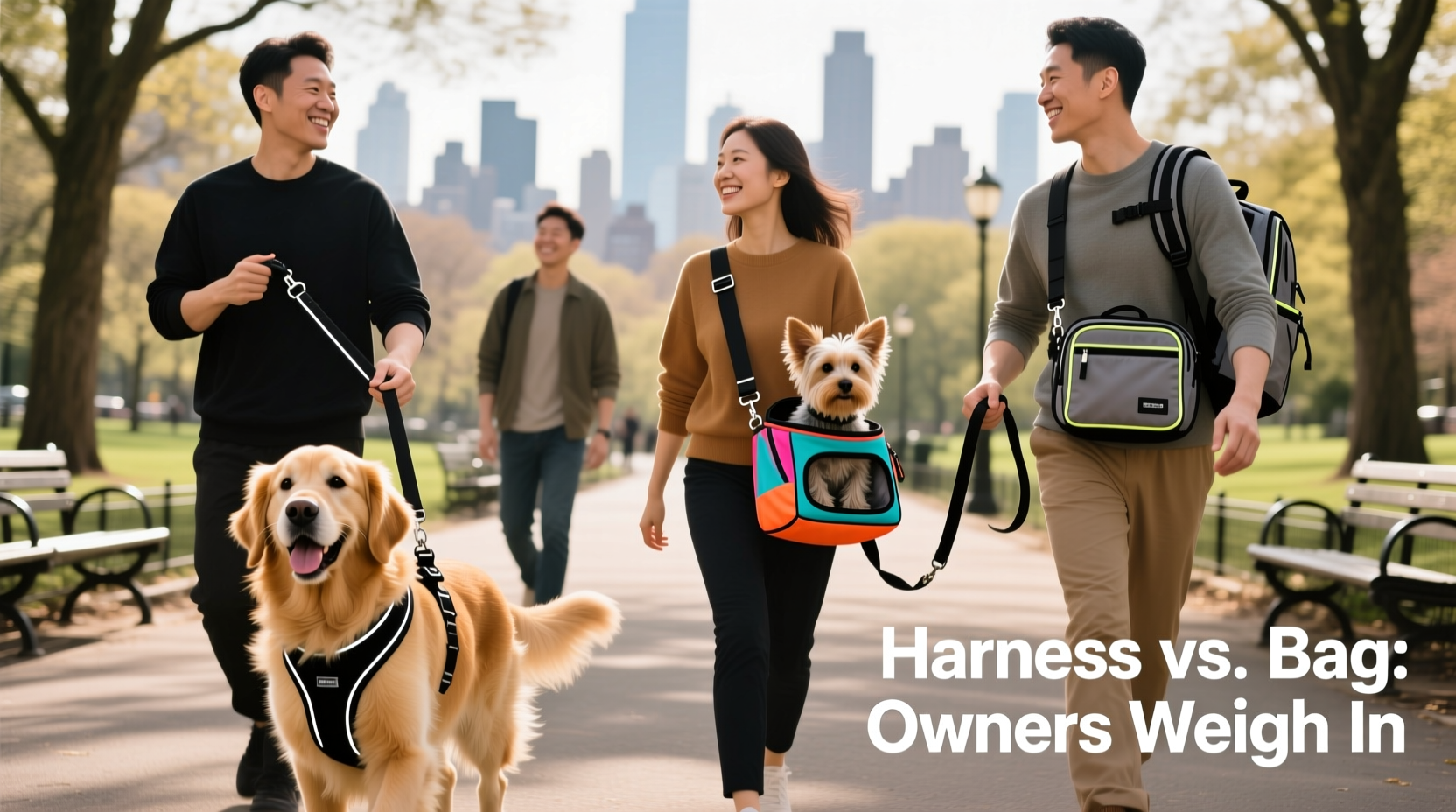
Traditional collars work well for identification and light control, but they come with risks—especially for dogs that pull. When a dog lunges forward while wearing a collar, sudden pressure is applied directly to the trachea, cervical spine, and surrounding tissues. This can lead to chronic coughing, breathing difficulties, or even long-term damage in brachycephalic breeds like Pugs and Bulldogs.
Harness leash sets address these concerns by shifting pressure away from the neck and onto the chest and shoulders—areas better equipped to handle force. Unlike older models that restricted movement or caused chafing, modern harnesses are engineered with breathable mesh, adjustable straps, and ergonomic designs that allow full range of motion.
Veterinarians and certified trainers increasingly recommend harnesses, especially for puppies, senior dogs, and those with pre-existing respiratory or spinal conditions.
“Using a front-clip harness can reduce pulling by up to 70% compared to a standard collar. It’s not just about comfort—it’s about preventing injury.” — Dr. Laura Simmons, DVM, Canine Behavior Specialist
Real Owners, Real Experiences: A Mini Case Study
Take Sarah Thompson, a dog owner from Portland who adopted a rescue Border Collie named Jasper. “He was reactive on walks,” she explained. “Every time he saw another dog, he’d lunge so hard his collar would dig into his throat. I started noticing he was coughing after walks.”
Sarah switched to a no-pull harness with a front-clip design. Within two weeks, Jasper’s pulling decreased significantly. “It wasn’t magic—he still needed training—but the harness gave me more control without hurting him. Now our walks are peaceful.”
Likewise, Mark Liu in Chicago uses a dual-clip harness (front and back) for his French Bulldog, Milo. “Milo has a collapsed trachea,” Mark said. “Our vet was clear: no collars. The harness lets us walk safely, and it doesn’t rub under his armpits like cheaper models did.”
These stories reflect a growing consensus: for many dogs, harnesses aren’t just preferable—they’re essential for safe, comfortable walks.
Harness vs. Collar vs. Dog Walking Bag: A Practical Comparison
While some owners still rely on collars alone, others combine them with dog walking bags—toting waste bags, treats, phones, and water bottles. But comparing harness leash sets to walking bags isn’t quite apples-to-apples; the tools serve different functions. However, when used together, their combined impact on walk quality matters.
| Feature | Dog Harness Leash Set | Traditional Collar & Leash | Dog Walking Bag |
|---|---|---|---|
| Neck Safety | High – distributes pressure | Low – risk of tracheal injury | No impact |
| Pulling Control | High – especially front-clip models | Moderate – relies on owner strength | No impact |
| Hands-Free Convenience | Optional (some have waist belts) | No | Yes – frees hands for multitasking |
| Storage Capacity | None | None | High – holds multiple items |
| Breed Suitability | Ideal for small, reactive, or sensitive-neck breeds | Risky for brachycephalic dogs | Universal (if properly sized) |
The data shows that harnesses excel in safety and control, while walking bags enhance convenience. The most effective setups often combine both: a well-fitted harness for the dog and a lightweight walking bag for the owner.
Tip: Use a harness for your dog’s safety and a compact walking bag for carrying essentials—don’t sacrifice one for the other.Choosing the Right Harness: A Step-by-Step Guide
Not all harnesses are created equal. To get the best fit and function, follow this process:
- Assess Your Dog’s Needs: Is your dog a puller? Do they have respiratory issues? Are they anxious around other dogs?
- Select the Clip Type: Front-clip harnesses discourage pulling by redirecting the dog sideways when they lunge. Back-clip models offer more freedom and are good for calm walkers.
- Measure Accurately: Use a soft tape measure around the widest part of the chest (behind the front legs). Compare to brand-specific sizing charts.
- Check Adjustability: Look for multiple points of adjustment—neck, chest, and shoulder straps—to ensure a snug, non-restrictive fit.
- Test the Fit: Once on, you should be able to fit two fingers comfortably under any strap. The harness shouldn’t shift excessively during movement.
- Monitor for Chafing: On initial walks, check underarms and behind the shoulders for redness or irritation.
Common Mistakes to Avoid with Harnesses
- Using the wrong size: An oversized harness allows escape; too tight causes discomfort.
- Ignoring clip placement: Misunderstanding front vs. back clips leads to ineffective control.
- Skipping the break-in period: Dogs may feel restricted at first. Introduce the harness gradually with positive reinforcement.
- Overloading with accessories: Adding tags, GPS trackers, or bulky attachments can compromise fit and safety.
FAQ: What Owners Want to Know
Can I use a harness if my dog already knows not to pull?
Absolutely. Even well-trained dogs benefit from reduced neck strain. A back-clip harness offers gentle control without compromising comfort.
Are harnesses suitable for all dog sizes?
Yes, but sizing is critical. From Chihuahuas to Great Danes, manufacturers offer breed-specific or scalable designs. Always double-check measurements before purchasing.
Do harnesses encourage bad behavior like squatting or rubbing?
In rare cases, dogs may adjust oddly to a new harness. Proper fit and gradual introduction usually resolve this. If persistent, consult a trainer to rule out discomfort or behavioral triggers.
Action Checklist: Upgrading Your Walk Routine
Ready to improve your dog’s walking experience? Follow this checklist:
- ✅ Evaluate your current gear: Is your dog pulling or showing signs of discomfort?
- ✅ Research harness types: Decide between front-clip, back-clip, or dual-clip models.
- ✅ Measure your dog accurately using a soft tape measure.
- ✅ Choose a high-quality harness with padded straps and secure buckles.
- ✅ Pair it with a lightweight walking bag for treats, waste bags, and phone storage.
- ✅ Introduce the harness at home with treats and short indoor trials.
- ✅ Take a test walk in a low-distraction area to monitor fit and behavior.
Conclusion: Safety, Comfort, and Smarter Walks
The evidence is clear: for most dogs, a well-designed harness leash set is safer and more effective than relying solely on a collar. While dog walking bags add convenience, they don’t address the core issue of physical strain during walks. Combining both—a quality harness for your dog and a functional bag for you—creates a balanced, enjoyable walking experience for both of you.
Owners who made the switch report fewer tugs, less frustration, and healthier dogs. Whether you have a high-energy pup or a senior companion, investing in the right gear pays off in comfort, safety, and peace of mind.
🚀 Ready to upgrade your dog’s walk? Start by measuring your pup today and reading reviews from verified owners. Share your harness story in the comments—your experience could help another pet parent make a safer choice.








