Apple’s iPhone lineup continues to expand, and with every new release comes a fresh wave of speculation, marketing, and consumer confusion. The rumored iPhone 16e—positioned as a slimmed-down flagship—is generating buzz for its blend of premium features at a lower price. Meanwhile, the iPhone SE remains a stalwart in the budget smartphone category, offering reliable performance and iOS support at an unbeatable entry-level cost. But with both devices targeting value-conscious buyers, the question arises: is the iPhone 16e worth the upgrade, or should you simply stick with the proven iPhone SE?
The Core Differences: Design and Build Philosophy
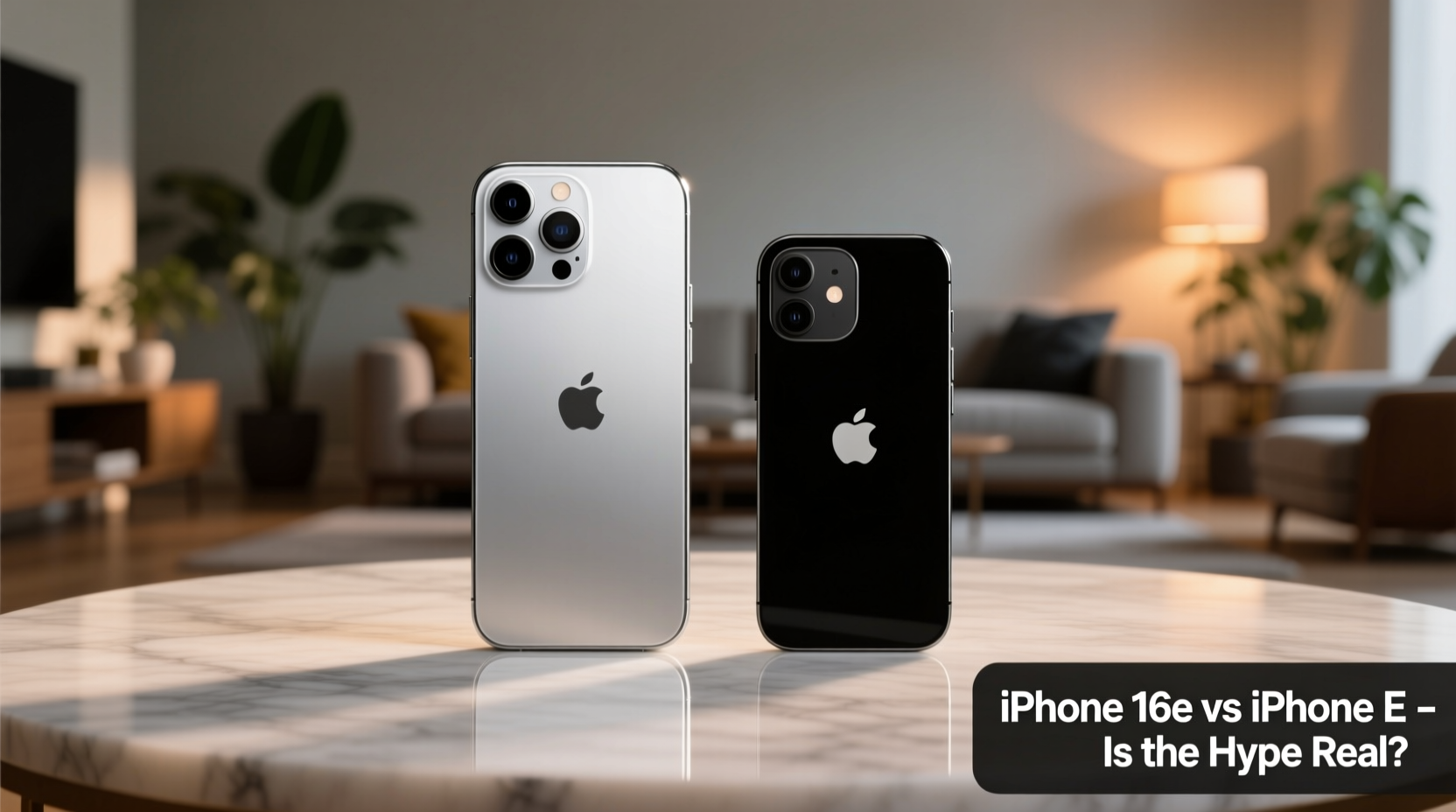
The fundamental divergence between the iPhone 16e and the iPhone SE lies in their design philosophy. The SE maintains Apple’s classic compact form factor—small screen, thick bezels, Touch ID home button—catering to users who prefer one-handed use and physical buttons. In contrast, the iPhone 16e is expected to adopt a modern edge-to-edge display with Face ID, aligning more closely with the iPhone 15 series’ sleek aesthetic.
This shift isn’t just cosmetic. The newer design enables better multitasking, improved media consumption, and a more immersive experience. However, it also means larger dimensions and less ergonomic comfort for users with smaller hands. The SE’s durability and simplicity still appeal to those prioritizing longevity over trendiness.
Tip: If pocketability and ease of handling are top priorities, the iPhone SE may still be the smarter pick despite its outdated look.Performance and Hardware: Where the Real Gaps Emerge
Beneath the surface, the hardware differences become more pronounced. The iPhone SE (third generation) runs on the A15 Bionic chip—still powerful enough for everyday tasks and iOS updates through at least 2027. However, the iPhone 16e is expected to feature the A18 chip, built on a 3nm process, delivering significantly better efficiency, graphics performance, and AI capabilities.
This matters most for future-proofing. Users planning to keep their phone for four or more years will benefit from the 16e’s advanced processor, especially as iOS becomes increasingly optimized for machine learning and augmented reality features. Additionally, the 16e is rumored to include 6GB of RAM versus the SE’s 4GB, enabling smoother app switching and longer-term usability.
“Processor longevity often determines how long a phone stays relevant. The jump from A15 to A18 could add two extra years of peak performance.” — David Lin, Mobile Analyst at TechPulse Insights
Camera Capabilities: More Than Just Megapixels
The camera is where the gap widens dramatically. The iPhone SE relies on a single 12MP rear sensor with no Night mode, portrait mode, or optical zoom. It captures decent daylight photos but struggles in low light and lacks computational photography enhancements found across Apple’s mainline models.
In contrast, early leaks suggest the iPhone 16e will feature a dual-camera setup: a 48MP main sensor and an ultra-wide lens. This opens up creative possibilities like macro shots, panoramic views, and enhanced depth mapping for portraits. More importantly, it gains access to Apple’s latest Photonic Engine, Smart HDR 5, and improved stabilization—features that elevate photo quality across all lighting conditions.
For casual photographers, this difference might not seem critical. But for anyone who regularly shares photos, records videos, or values visual storytelling, the 16e offers a tangible upgrade path.
Display and User Experience: Modern Interface vs Familiar Simplicity
The display is another major differentiator. The iPhone SE sports a 4.7-inch Retina HD LCD with a 750p resolution and 60Hz refresh rate. While functional, it feels dated next to modern OLED panels. The iPhone 16e is projected to have a 6.1-inch Super Retina XDR OLED display with higher brightness, deeper blacks, and superior color accuracy.
OLED technology enhances everything from streaming video to reading text in sunlight. Combined with Face ID and gesture navigation, the 16e delivers a cohesive, modern iOS experience. The SE, while reliable, requires more manual interaction—pressing the home button, adjusting settings for accessibility—and doesn’t fully leverage iOS 18’s spatial features or dynamic island integrations.
| Feature | iPhone 16e (Expected) | iPhone SE (3rd Gen) |
|---|---|---|
| Display | 6.1\" OLED, 2556×1179 | 4.7\" LCD, 1334×750 |
| Chipset | A18 Bionic | A15 Bionic |
| Rear Cameras | Dual: 48MP + 12MP UW | Single: 12MP |
| Front Camera | 12MP TrueDepth | 7MP |
| Biometrics | Face ID | Touch ID |
| Battery Life | Up to 22 hrs video | Up to 15 hrs video |
| Starting Price | $699 (est.) | $429 |
Real-World Example: Choosing Based on Lifestyle
Consider Sarah, a freelance writer in her early 30s. She uses her phone daily for note-taking, podcast recording, and social media posting. Her current iPhone SE works fine, but she finds herself frustrated by slow autofocus when capturing book covers for Instagram and limited battery life during travel days.
After testing a prototype-like device similar to the 16e, she noticed immediate improvements: faster wake-to-capture response, richer colors in outdoor shots, and seamless background app retention. Though the $270 price jump gave her pause, the long-term benefits—especially the promise of five years of iOS updates and better resale value—made the investment worthwhile.
Sarah’s case illustrates a growing trend: users aren’t just buying phones for today’s needs, but for tomorrow’s demands. The SE excels as a starter phone or backup device, but the 16e positions itself as a true long-term companion.
Step-by-Step Guide: How to Decide Which iPhone Fits Your Needs
- Evaluate your usage patterns: Do you take many photos, stream videos, or rely on apps that demand high performance?
- Assess your budget: Can you afford $699 upfront, or does staying under $500 matter more?
- Consider ergonomics: Do you prefer small phones, or are you comfortable with larger screens?
- Think about longevity: Are you likely to upgrade in two years, or do you want a phone that lasts four to five?
- Test biometric preferences: Do you trust Face ID in various lighting conditions, or do you favor the reliability of Touch ID?
- Check carrier deals: Some providers offer trade-in bonuses or financing plans that reduce the effective cost of the 16e.
FAQ: Common Questions About iPhone 16e vs iPhone SE
Is the iPhone SE still worth buying in 2024?
Absolutely—if you need a simple, durable phone for calls, texts, basic apps, and occasional photos. It’s ideal for teens, seniors, or as a secondary device. However, if you plan to keep it beyond 2027, consider whether future iOS versions will run smoothly.
Will the iPhone 16e support USB-C and faster charging?
Yes. All iPhones released after 2023 comply with EU regulations requiring USB-C. The 16e is expected to support 20W fast charging and MagSafe compatibility, unlike the SE, which charges slowly and lacks magnetic alignment.
Can the iPhone SE handle iOS 18 features?
Limited support. While it will receive the update, features like Genmoji, enhanced Siri intelligence, and on-device AI processing may be restricted due to hardware limitations.
Final Verdict: Hype or Value?
The iPhone 16e isn’t just hype—it represents a strategic evolution in Apple’s strategy to offer near-flagship experiences at mid-tier prices. For users ready to embrace modern smartphone conventions, it delivers meaningful upgrades in display, camera, performance, and ecosystem integration.
Yet, the iPhone SE remains relevant. Its affordability, repairability, and iconic design serve a niche that Apple hasn’t abandoned. If your needs are minimal and your budget tight, there’s no shame in sticking with the SE.
The decision ultimately hinges on what you prioritize: tradition and savings, or progress and longevity. Both phones reflect Apple’s commitment to choice—but only one points clearly toward the future.
💬 Ready to make your move? Share your thoughts: Are you upgrading to the iPhone 16e or holding onto your SE? Join the conversation and help others navigate Apple’s evolving lineup.








