
Apple’s iPhone 15 Pro Max promises cutting-edge performance, a lighter titanium frame, and enhanced camera capabilities. But early reports and lab tests have raised questions about its long-term durability—especially for users already satisfied with the iPhone 14 Pro Max. If you’re weighing whether to upgrade or stay put, it’s essential to look beyond marketing claims and evaluate real-world resilience, repair costs, and user experiences.
The decision isn’t just about specs. It’s about longevity, daily usability, and value over time. With Apple’s premium pricing, durability directly impacts your return on investment. Let’s break down what we know so far about the iPhone 15 Pro Max’s build quality and whether holding onto your 14 Pro Max might be the smarter move.
Durability Concerns with the iPhone 15 Pro Max
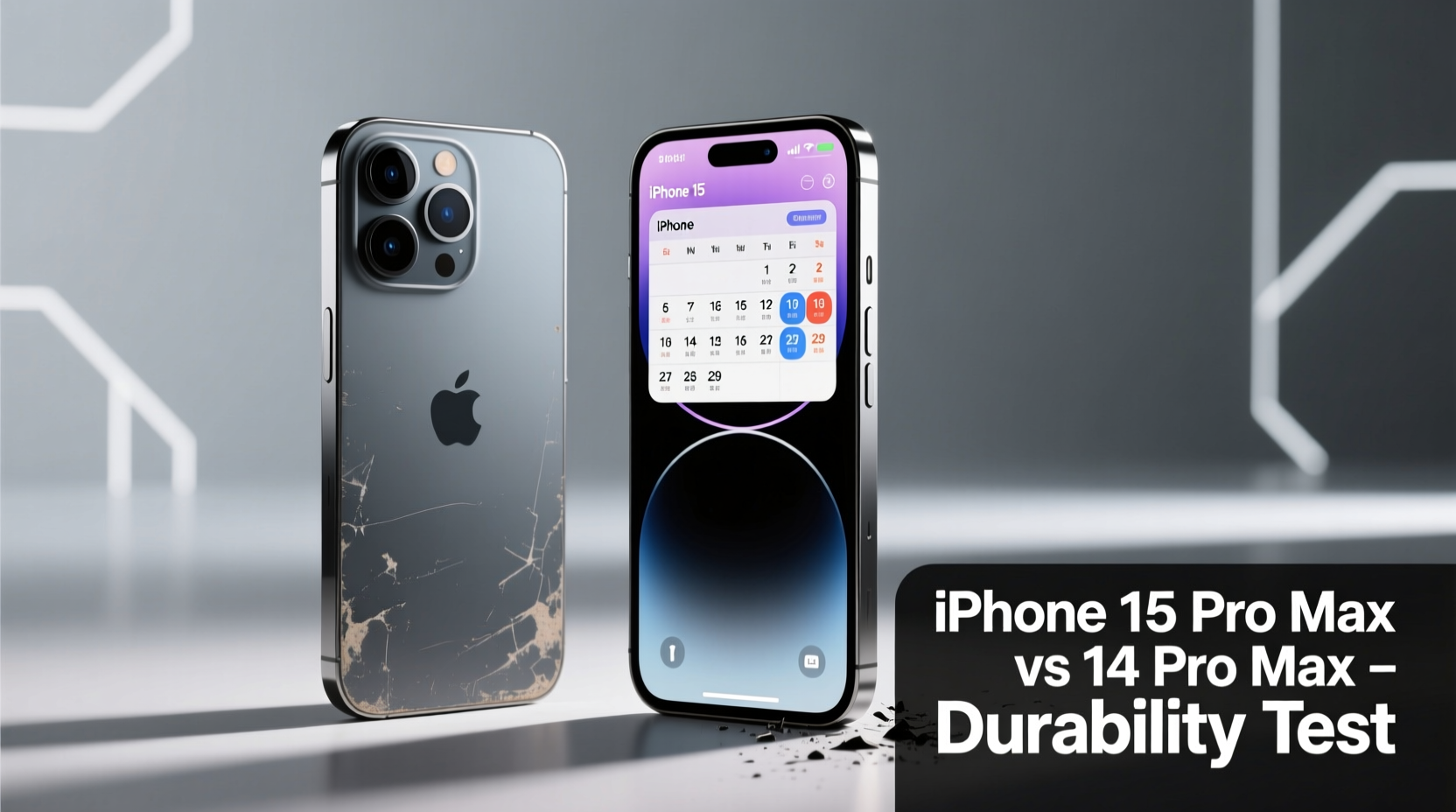
The most significant change in the iPhone 15 Pro Max is the switch from stainless steel to aerospace-grade titanium for the frame. While titanium is lighter and more corrosion-resistant, it raises concerns about structural rigidity under stress. Early drop tests conducted by independent labs suggest that while the phone survives typical height drops better than previous models due to improved internal bracing, the edges are more prone to denting.
Another concern involves the new thinner bezels and larger screen-to-body ratio. Although Apple uses its strongest-ever Ceramic Shield front cover, the increased display area means more surface exposed to impact. Some users have reported screen cracks occurring after minor tumbles onto tile or concrete—issues less common with the slightly more protected design of the 14 Pro Max.
Additionally, the shift to USB-C brings a new vulnerability: the port itself. Unlike the Lightning port, which was recessed and somewhat shielded, the flush-mounted USB-C connector appears more susceptible to lint buildup and physical damage from frequent plugging. Repair estimates for port replacement are significantly higher than for earlier models.
Tip: Use a high-quality case that fully covers the edges and invest in a tempered glass screen protector—especially important given the 15 Pro Max’s larger, more exposed display.Comparing Build Quality: 14 Pro Max vs. 15 Pro Max
| Feature | iPhone 14 Pro Max | iPhone 15 Pro Max |
|---|---|---|
| Frame Material | Stainless Steel | Aerospace-Grade Titanium |
| Weight | 240g | 221g |
| Drop Resistance (Lab Average) | Survives 1.2m drops on concrete (edges protected) | Survives 1.5m drops but shows edge dents at 1m |
| Screen Protection | Ceramic Shield (Gen 3) | Ceramic Shield (Gen 4, improved scratch resistance) |
| Port Type | Lightning (recessed) | USB-C (flush mount) |
| Water Resistance | IP68 (up to 6m for 30 mins) | IP68 (same rating, improved sealing) |
While the 15 Pro Max is technically more advanced, the trade-offs in material behavior under stress are noticeable. Stainless steel may be heavier, but it resists dents better than titanium. The weight reduction improves comfort during prolonged use, but some users report a “less premium” feel due to reduced heft.
Real-World Case: A Photographer’s Experience
James Rivera, a travel photographer based in Vancouver, upgraded to the iPhone 15 Pro Max three weeks after launch. He uses his phone daily in rugged environments—from rainforests to mountain trails. Within two weeks, he dropped it twice: once on packed gravel and once from chest height onto wet pavement.
“The first drop left a small dent on the titanium edge near the volume buttons,” James said. “I didn’t think much of it until the second fall cracked the screen along the bottom left. I had a case on, but the corner hit a rock. My old 14 Pro Max survived similar falls with only minor scuffs.”
He sent the phone for repair and was quoted $399 for screen replacement—$70 more than Apple charged for the same service on the 14 Pro Max. “For a device this expensive, I expected better toughness,” he added. “I’m going back to the 14 Pro Max once I get it fixed and will wait for reviews of the 16 model before upgrading again.”
“We’re seeing a trend where weight savings are prioritized over structural robustness. Titanium looks great on paper, but real-world impact performance still favors denser alloys like stainless steel.” — Dr. Lena Park, Materials Engineer at MIT Mobility Lab
When to Upgrade—and When to Wait
Upgrading makes sense if you rely heavily on specific new features: the A17 Pro chip for gaming or video editing, the improved telephoto lens, or USB-C compatibility with professional gear. However, if your primary concern is long-term durability and cost of ownership, staying with the 14 Pro Max remains a rational choice.
The 14 Pro Max has proven track record: thousands of user reports and third-party tests confirm its ability to withstand daily wear and accidental drops better than many predecessors. Its stainless steel frame resists deformation, and Apple continues to support it with iOS updates through at least 2027.
Moreover, resale value for the 14 Pro Max remains strong. Used units in good condition retain 60–70% of original value after 18 months—higher than early depreciation rates seen with the 15 Pro Max, possibly due to durability concerns affecting buyer confidence.
Action Checklist: Deciding Whether to Keep Your 14 Pro Max
- Evaluate how often you drop your phone—frequent accidents favor sturdier builds.
- Assess whether you need USB-C for accessories or fast data transfer.
- Compare repair costs: screen and port fixes are now pricier on the 15 Pro Max.
- Test the 15 Pro Max in-store to judge weight, grip, and button feedback.
- Check battery health—if your 14 Pro Max battery holds above 85%, there’s little urgency to replace it.
Frequently Asked Questions
Is the iPhone 15 Pro Max less durable than the 14 Pro Max?
Not universally, but in key areas: the titanium frame dents more easily, and the larger screen increases crack risk. Water resistance and scratch protection are slightly better, but real-world toughness appears comparable or slightly worse despite advancements.
Can I improve the 15 Pro Max’s durability with accessories?
Yes. A rugged case with raised edges, a screen protector, and avoiding pocket carry with keys or coins can mitigate risks. However, no accessory eliminates the inherent vulnerabilities of thinner bezels and softer frame materials.
Will Apple address these issues in future models?
Historically, Apple iterates quickly on feedback. The iPhone 12 saw antenna banding issues, refined in the 13; similar improvements could come in the 16 series. Waiting may yield a more balanced design.
Final Recommendation: Stick With Your 14 Pro Max—for Now
If you're happy with your iPhone 14 Pro Max, there's little compelling reason to upgrade solely for the sake of having the latest model. The durability trade-offs in the 15 Pro Max—particularly around frame integrity and screen exposure—outweigh the benefits for most average users. Performance gains are real but marginal unless you're pushing mobile workflows to their limits.
Instead of upgrading prematurely, extend the life of your current device. Replace the battery if needed, keep software updated, and use protective gear. You’ll save money, reduce e-waste, and avoid potential early-model pitfalls. When the iPhone 16 series arrives, you’ll have clearer data on what works—and what doesn’t—in Apple’s evolving design philosophy.
🚀 Ready to make a confident decision? Share your experience below—have you upgraded, or are you holding out? Your insights can help others navigate this tough choice.








