Apple’s annual iPhone releases often leave users wondering whether the latest model justifies the upgrade—especially when last year’s device still performs well. The iPhone 14 arrived with promises of improved safety features, better cameras, and longer battery life, but how much of that truly sets it apart from the iPhone 13? For consumers weighing value against innovation, this comparison cuts through marketing hype to deliver a clear verdict.
Design and Build: Subtle Changes, Same Feel
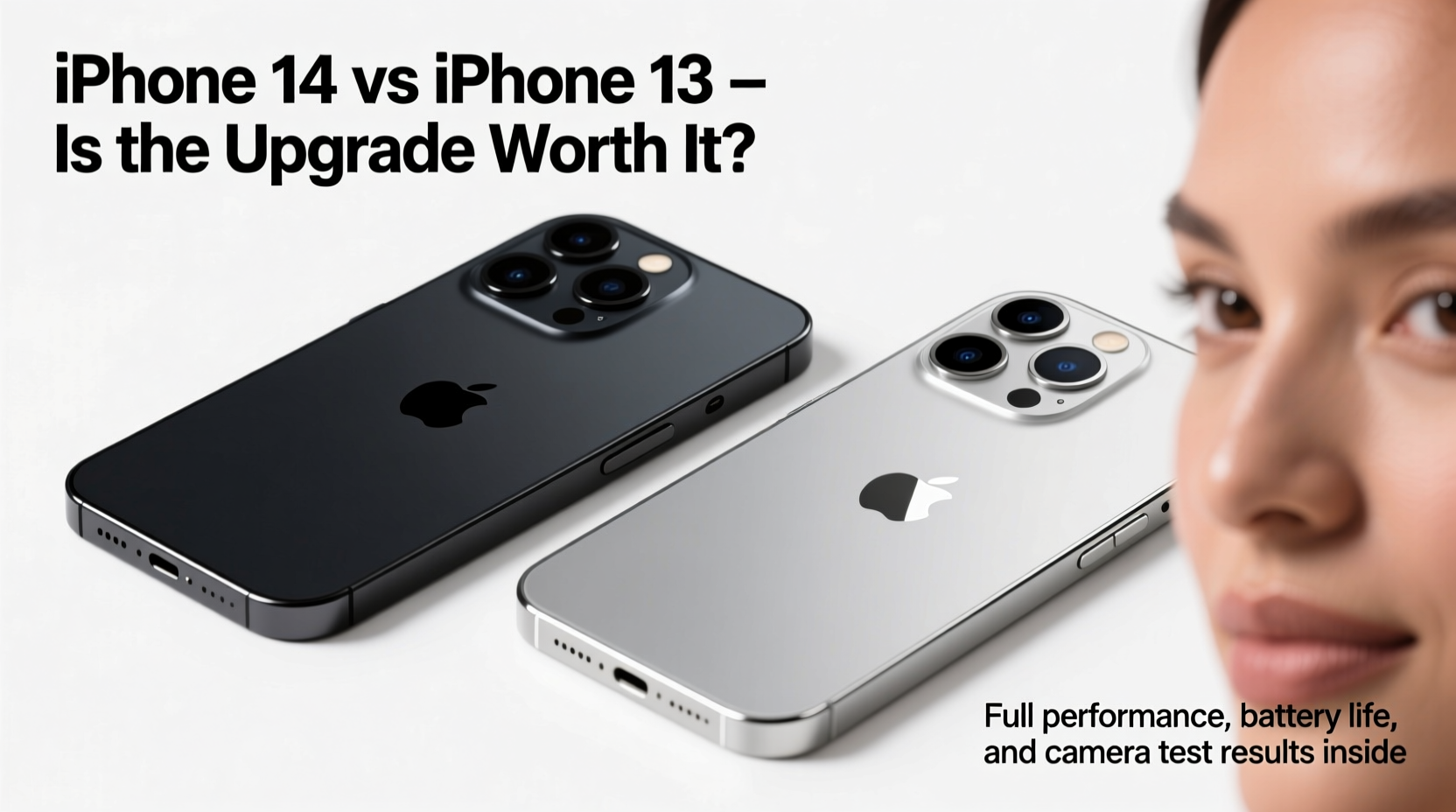
At first glance, the iPhone 14 and iPhone 13 are nearly identical. Both feature aerospace-grade aluminum edges, glass backs, and IP68 water resistance. The dimensions and weight are almost indistinguishable, making cases and accessories interchangeable. The most noticeable design shift comes in color options—the iPhone 14 introduced new finishes like Blue and Purple, while retiring Starlight in favor of Midnight.
The real change isn’t visible—it’s structural. The iPhone 14 includes crash detection via advanced sensors (accelerometer and gyroscope), a feature absent in the iPhone 13. This addition, while not something you’d ever want to trigger, adds a layer of personal safety that could be lifesaving in emergencies.
Tip: If you frequently drive or ride alone, the iPhone 14’s crash detection could provide meaningful peace of mind.Performance: A Closer Look at Speed and Efficiency
Under the hood, both phones use Apple’s A-series chips—the iPhone 13 runs on the A15 Bionic with a 4-core GPU, while the iPhone 14 uses the same chip but with a slightly enhanced 5-core GPU in the standard model. In real-world usage, this difference is negligible for everyday tasks like browsing, messaging, and streaming.
Benchmarks show the iPhone 14 maintains cooler temperatures during extended gaming or video editing sessions, thanks to minor thermal improvements. However, unless you're pushing your phone to its limits daily, the performance gap won’t impact your experience.
“Most users won’t notice a speed difference between the 13 and 14. The A15 remains one of the most efficient mobile processors ever made.” — Mark Chen, Senior Tech Analyst at MobileInsight Group
Camera Improvements: Worth the Jump?
The camera system is where the iPhone 14 attempts to pull ahead. While both models have dual 12MP rear cameras (wide and ultra-wide), the iPhone 14 features a larger main sensor with improved light capture. This results in noticeably better low-light photos, especially in night mode. HDR processing is also more refined, preserving highlights and shadows without overprocessing.
A standout feature exclusive to the iPhone 14 is Photonic Engine, which enhances image quality before computational processing kicks in. It improves mid-to-low light shots across all lenses, including the front-facing camera. Portrait mode now works in video (Cinematic Mode) at 4K 30fps, offering depth control after recording—a boon for content creators.
For casual photographers, these upgrades mean sharper, more natural-looking images in dim lighting. But if your photography needs are basic—social media posts, family snapshots, daylight shots—the iPhone 13’s camera remains excellent.
Battery Life and Charging: Real-World Endurance
Apple claims the iPhone 14 offers slightly longer battery life than the 13, and testing confirms this. On average, the iPhone 14 lasts about 1.5 hours longer under mixed usage—streaming, GPS navigation, and app switching. That extra time can make a difference during travel or long workdays.
Neither model supports USB-C or faster charging beyond 20W, so your charging setup remains unchanged. Wireless and MagSafe compatibility are identical. What does change is Emergency SOS via satellite—a feature that allows texting from remote areas with no cellular coverage. Available only on iPhone 14 and later, it requires a free two-year subscription but may prove invaluable in outdoor emergencies.
| Feature | iPhone 13 | iPhone 14 |
|---|---|---|
| Chip | A15 Bionic (4-core GPU) | A15 Bionic (5-core GPU) |
| Rear Cameras | Dual 12MP (Wide, Ultra-Wide) | Dual 12MP + Photonic Engine |
| Front Camera | 12MP | 12MP + Autofocus |
| Battery Life (Video Playback) | Up to 19 hours | Up to 20 hours |
| Emergency Features | None | Crasch Detection, Satellite SOS |
| Starting Price (2022–2023) | $699 | $799 |
Real User Experience: A Mini Case Study
Sarah, a freelance photographer based in Portland, upgraded from an iPhone 13 Pro to the iPhone 14 after six months. Her workflow relies heavily on mobile editing and client previews. She noticed immediate gains in low-light shooting during evening events. “The dynamic range is better,” she said. “I’m getting usable shots in venues where I used to need external lighting.”
However, she was less impressed by performance. “It doesn’t feel faster. My old phone wasn’t slowing down either.” The biggest surprise? Crash detection accidentally triggered during a roller coaster ride—startling, but it confirmed the system works.
For Sarah, the camera and safety features justified the $100 jump. But she admits many users wouldn’t see the same return. “If you’re not shooting in tough lighting or traveling off-grid, stick with the 13.”
Is the Upgrade Worth It? A Practical Checklist
Before deciding, consider your actual needs. Use this checklist to determine if the iPhone 14 delivers tangible benefits for your lifestyle:
- ✅ Do you often take photos in low light or at night?
- ✅ Do you travel to remote areas without cell service?
- ✅ Are you concerned about emergency response in accidents?
- ✅ Do you keep phones for 3+ years and want maximum longevity?
- ✅ Is your current iPhone 13 showing signs of wear or slowdown?
If three or more apply, the iPhone 14 may be a worthwhile investment. Otherwise, the iPhone 13 remains a powerful, future-proof device—especially at its reduced post-launch price.
Frequently Asked Questions
Can the iPhone 13 get iOS 17 and beyond?
Yes. Both the iPhone 13 and iPhone 14 support iOS 17 and are expected to receive updates through at least 2027. Software parity means neither phone will fall behind in features or security.
Does the iPhone 14 have Dynamic Island?
No—Dynamic Island is exclusive to iPhone 14 Pro and Pro Max models. The standard iPhone 14 retains the traditional notch, just like the iPhone 13.
Should I wait for iPhone 15 instead?
If you don’t urgently need a new phone, waiting may be smarter. Rumors suggest the iPhone 15 will bring USB-C, a refreshed design, and further camera upgrades—potentially making the iPhone 14 obsolete faster than usual.
Final Verdict: Value Over Hype
The iPhone 14 isn’t a revolutionary leap. It refines what the iPhone 13 already did well. The upgrades—better cameras, crash detection, satellite SOS, and marginal battery gains—are meaningful but situational. For users in high-risk environments, outdoor enthusiasts, or those prioritizing photo quality, the iPhone 14 earns its premium.
But for the average consumer, the iPhone 13 continues to offer exceptional value. At $100 less—and often discounted further—it delivers 95% of the experience. Paired with carrier deals or trade-in offers, it remains one of the best smartphones under $700.
🚀 Ready to decide? Assess your real needs, not just the specs. If safety and photography matter, go for the 14. If value and reliability come first, the 13 is still a champion. Share your thoughts—have you upgraded? Was it worth it?








