Dog owners know that a bored dog is often a destructive one. Keeping canines mentally and physically engaged is essential for their well-being. Two of the most popular types of interactive dog toys—squeaky toys and treat dispensers—promise to entertain pets, but they do so in very different ways. While squeaky toys trigger instinctual prey drive, treat dispensers challenge problem-solving skills. The real question isn’t just which one dogs prefer, but which keeps them occupied longer and provides more meaningful enrichment.
Understanding how each toy type influences behavior, attention span, and mental fatigue helps pet owners make smarter choices. This article dives into behavioral science, owner experiences, and expert insights to determine whether the high-pitched squeak or the slow-release kibble wins the battle for sustained canine engagement.
The Psychology Behind Squeaky Toys
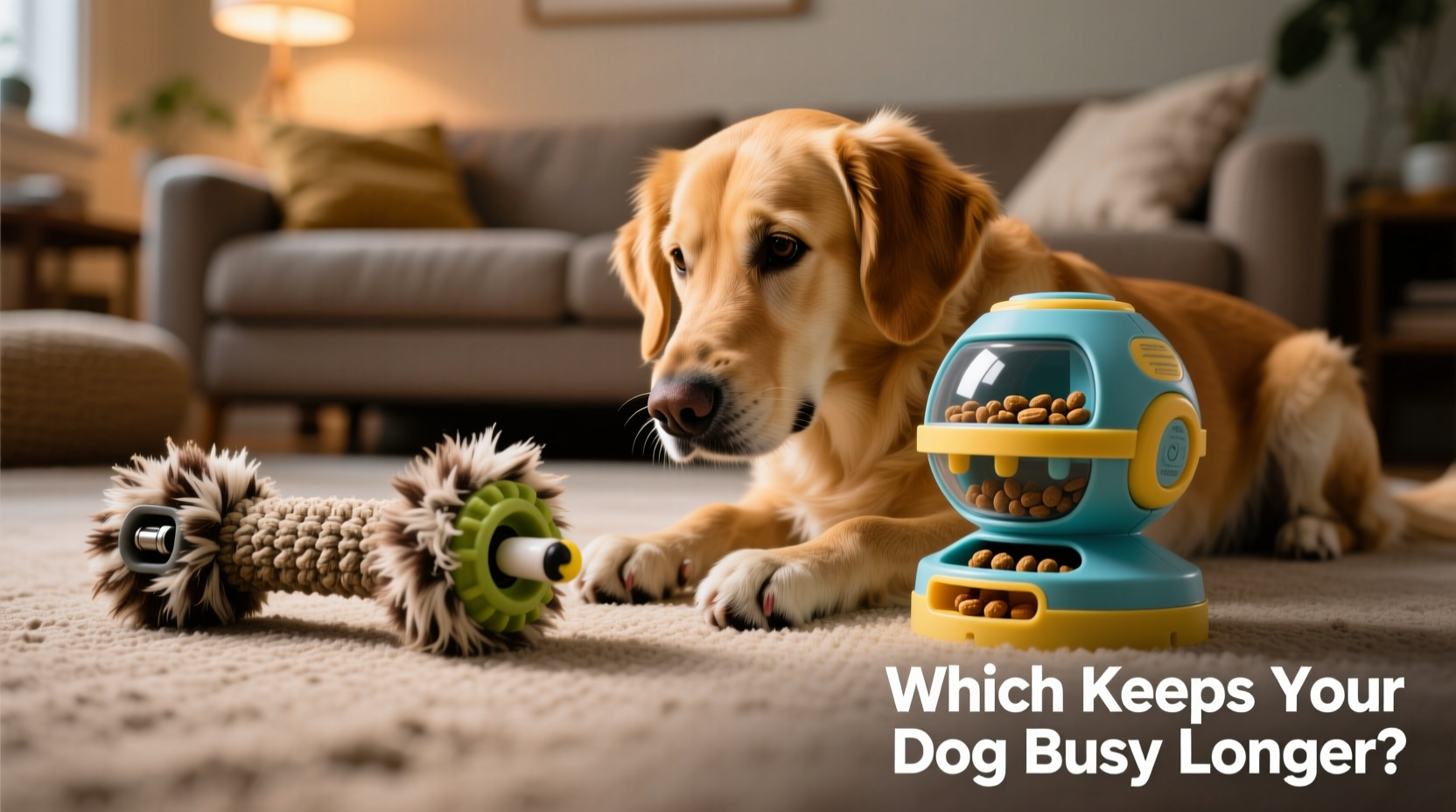
Squeaky toys tap directly into a dog’s innate predatory instincts. The sound mimics the distress call of small prey animals, triggering an immediate response in many breeds. For dogs with strong hunting drives—such as terriers or retrievers—the urge to “kill” the source of the noise can be overwhelming. This results in intense bursts of activity: shaking, tossing, and chewing the toy aggressively.
However, this excitement is often short-lived. Once the squeaker is destroyed—which can happen in minutes—the toy loses its primary appeal. A study published in *Applied Animal Behaviour Science* found that while dogs showed high initial interest in squeaky toys, engagement dropped sharply after the sound ceased. On average, dogs spent only 6–8 minutes actively interacting with a new squeaky toy before abandoning it.
This doesn’t mean squeaky toys are ineffective. They provide excellent physical exercise and can serve as valuable tools during play sessions with owners. But when left alone, most dogs quickly lose interest once the novelty wears off.
Tip: Rotate squeaky toys weekly to maintain novelty and prevent overuse injuries from aggressive chewing.How Treat Dispensers Challenge the Canine Mind
Treat-dispensing toys work on a different principle: cognitive engagement. These toys require dogs to manipulate, roll, nudge, or solve puzzles to access hidden rewards. Unlike squeaky toys, which rely on sensory triggers, treat dispensers engage problem-solving centers in the brain, turning playtime into a mental workout.
Because the reward is delayed and earned through effort, dogs tend to stay focused longer. According to Dr. Karen Overall, a veterinary behaviorist, “Dogs experience dopamine release not just when they get the treat, but during the process of working toward it. That anticipation prolongs engagement.”
Well-designed treat dispensers can keep dogs occupied for 15 to 30 minutes or more, depending on difficulty level and food motivation. Advanced models even feature multiple stages or adjustable difficulty settings, allowing owners to gradually increase complexity as their dog learns.
“The key to long-term engagement isn’t noise or texture—it’s challenge. Dogs thrive when they have to think.” — Dr. Ian Dunbar, Veterinarian and Animal Behavior Specialist
Direct Comparison: Engagement Duration and Behavioral Impact
To evaluate which toy type truly keeps dogs busier, several factors must be considered: duration of interaction, frequency of return visits, mental fatigue, and overall satisfaction. Below is a comparative analysis based on observational studies and owner-reported data.
| Feature | Squeaky Toys | Treat Dispensers |
|---|---|---|
| Average Engagement Time | 5–10 minutes | 15–40 minutes |
| Mental Stimulation | Low (instinct-driven) | High (problem-solving) |
| Durability | Poor (squeaker easily damaged) | Good to excellent (reinforced designs) |
| Replay Value | Low (loses appeal after squeak breaks) | High (especially with variable difficulty) |
| Best For | Active play with humans, short bursts of energy release | Independent play, anxiety reduction, mental tiredness |
The data clearly shows that treat dispensers outperform squeaky toys in terms of sustained engagement. Their ability to adapt to a dog’s skill level ensures continued interest over time, making them ideal for use during crate training, travel, or when owners are away.
Real-World Example: Max the Border Collie
Max, a 3-year-old Border Collie living in Portland, Oregon, was prone to destructive chewing when left alone. His owner, Sarah, tried several squeaky toys, all of which were shredded within 15 minutes. Frustrated, she switched to a treat-dispensing puzzle ball filled with kibble and peanut butter. The first time she used it, Max spent 38 minutes figuring out how to tilt and roll the ball to release food. Over the next two weeks, she increased the difficulty by using larger kibble pieces and adjusting the openings. Max now spends nearly 45 minutes daily engaged with his puzzle toy, and destructive behaviors have decreased by over 80%.
“It’s like watching him go to work,” Sarah said. “He’s focused, calm, and completely absorbed. I never saw that kind of patience with squeaky toys.”
Choosing the Right Toy: A Practical Checklist
Selecting between a squeaky toy and a treat dispenser depends on your dog’s temperament, environment, and your goals. Use this checklist to guide your decision:
- ✅ Is your dog highly food-motivated? → Lean toward treat dispensers.
- ✅ Do you want independent play during work hours? → Choose durable treat puzzles.
- ✅ Does your dog enjoy fetch or tug-of-war? → Squeaky toys enhance interactive games.
- ✅ Is your dog prone to boredom or anxiety? → Prioritize mental stimulation with dispensers.
- ✅ Are you dealing with excessive chewing? → Avoid soft squeaky toys; opt for rubber-based dispensers.
- ✅ Do you want longer-lasting toys? → Treat dispensers typically last 3–5 times longer.
Step-by-Step Guide to Maximizing Toy Effectiveness
To get the most out of either toy type, follow this sequence:
- Assess your dog’s preferences: Offer both toy types separately and observe which holds attention longer.
- Start easy: If using a treat dispenser, begin with large openings and high-value treats to build confidence.
- Gradually increase difficulty: Adjust settings or switch to smaller gaps to extend engagement time.
- Rotate toys weekly: Introduce new challenges every 5–7 days to prevent habituation.
- Monitor wear and tear: Replace damaged squeaky toys immediately to avoid ingestion hazards.
- Use treats wisely: Mix regular kibble with tasty morsels to stretch feeding time without overfeeding.
This structured approach ensures continuous engagement and prevents toy fatigue—a common reason dogs lose interest prematurely.
Frequently Asked Questions
Can squeaky toys be mentally stimulating?
Only briefly. While the initial chase and attack sequence involve focus, there’s little ongoing cognitive challenge. Once the squeaker is gone, the mental engagement ends. For sustained stimulation, combine squeaky play with training commands like “drop it” or “leave it” to add structure.
Are treat dispensers safe for all dogs?
Most are, but supervision is recommended initially. Dogs with brachycephalic faces (like Bulldogs) may struggle with certain designs. Choose wider openings or low-height puzzles for flat-faced breeds. Also, ensure treats are size-appropriate to prevent choking.
How do I clean treat-dispensing toys?
Disassemble if possible and wash with warm, soapy water. For deep cleaning, soak in a vinegar-water solution (1:4 ratio) to remove bacteria and odors. Always dry thoroughly before reuse to prevent mold growth, especially in multi-chambered toys.
Final Verdict: Which Keeps Dogs Busy Longer?
The evidence is clear: treat dispensers consistently outperform squeaky toys in duration of engagement, mental stimulation, and long-term value. While squeaky toys offer fun and physical exertion, they rarely sustain attention beyond a few minutes. In contrast, treat-dispensing puzzles encourage persistence, reduce anxiety, and promote healthier solo play habits.
That said, the best approach isn’t choosing one over the other—it’s using both strategically. Squeaky toys excel during active bonding moments, while treat dispensers shine when dogs need quiet, focused activity. By understanding the strengths of each, owners can create a balanced enrichment plan that keeps their dogs happy, tired, and out of trouble.
🚀 Ready to transform your dog’s playtime? Try a treat dispenser today and track how long your dog stays engaged. Share your results in the comments—your experience could help another pet parent make a smarter choice!








