The Westminster Kennel Club Dog Show is more than a competition—it’s a celebration of canine excellence, tradition, and breed purity. Among its seven groups, the Toy Group captures hearts with its elegance, charm, and compact grace. These small dogs are not just beloved companions; they are precision-bred athletes judged under exacting standards. But what separates a top contender from the rest? Behind every ribbon and title lies a combination of structure, presentation, and presence that defines true superiority in the ring.
Breed Conformation: The Foundation of Excellence
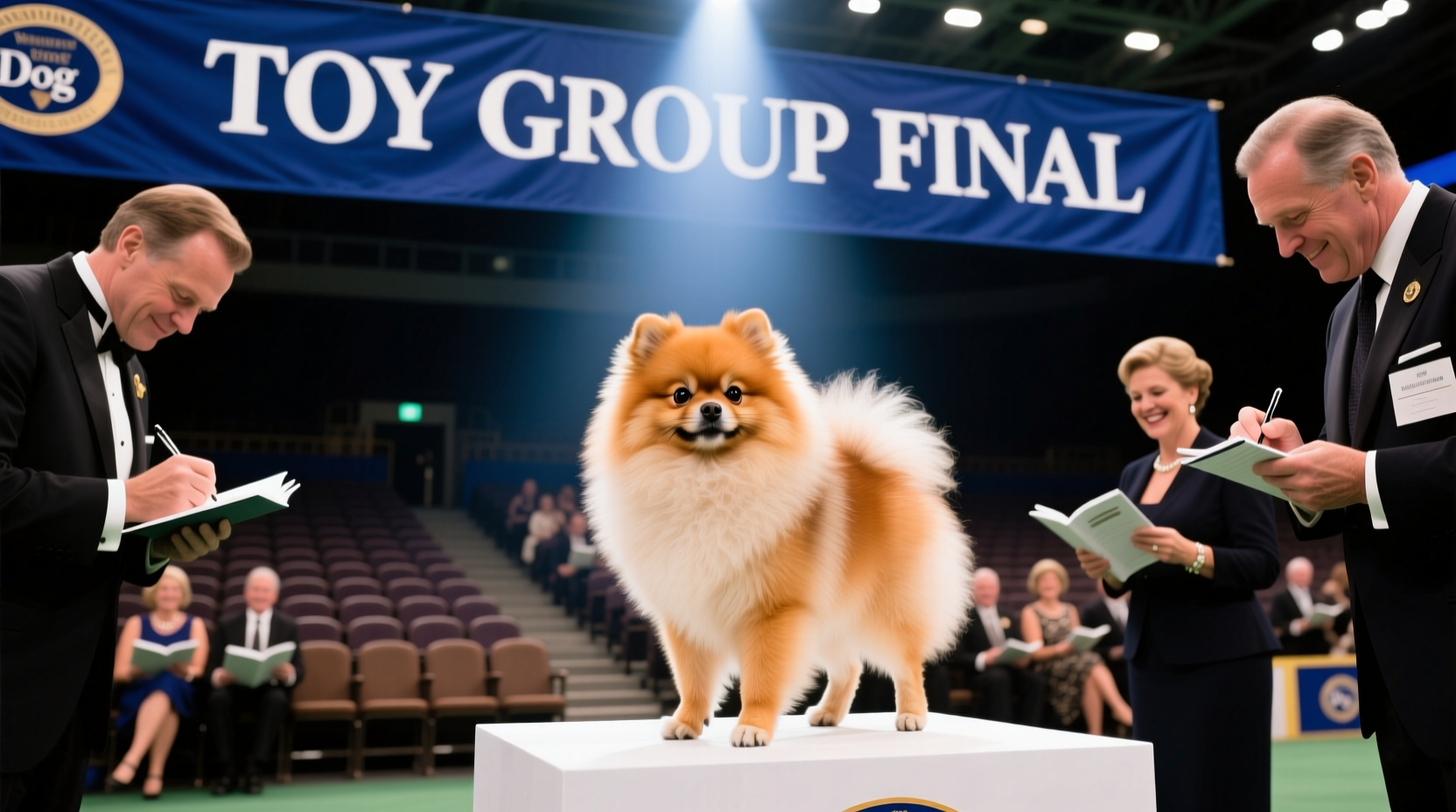
In dog shows, “conformation” refers to how closely a dog matches the ideal standard for its breed. For Toy Group dogs—ranging from the silky-coated Maltese to the dignified Pekingese—this means adhering to specific physical traits outlined by kennel clubs like the American Kennel Club (AKC). Judges evaluate proportions, head shape, eye placement, ear carriage, tail set, and overall balance.
A winning Toy dog isn’t merely small or cute; it embodies the archetype of its breed. For example, a Cavalier King Charles Spaniel must have a domed skull, large dark eyes, and a gentle expression described as “melting.” A toy poodle, despite its elaborate grooming, must maintain correct angulation in shoulders and hindquarters to move efficiently. Deviations—even subtle ones—can cost points.
Tip: Study your breed’s official AKC standard thoroughly—every detail matters, from toenail color to foot shape.Movement and Structure: Elegance in Motion
While appearance is critical, how a dog moves reveals structural soundness. During judging, handlers “stack” their dogs and then gait them around the ring at a brisk trot. A Toy Group winner must demonstrate effortless, ground-covering movement without pacing, weaving, or crabbing.
Proper front reach and rear drive are essential. A Chihuahua with weak pasterns may appear delicate but will lose points for lack of support. A Yorkshire Terrier with poor hindquarter angulation won’t achieve balanced extension. Judges look for harmony: the dog should flow smoothly, head held high, back level, and tail carried with breed-appropriate pride.
“Structure is everything. A perfectly groomed dog with faulty movement cannot win at Westminster.” — Linda Sommers, AKC Judge and Breeder of Toy Poodles for 30+ years
Grooming and Presentation: Polish Meets Precision
Toys are often associated with meticulous grooming, and rightly so. At Westminster, coat condition, styling, and cleanliness are scrutinized. However, grooming is not about extravagance—it’s about correctness. Each breed has a defined coat type and preferred trim.
A Shih Tzu should display a long, flowing double coat, while a Brussels Griffon is shown in a wiry, hand-stripped coat. Over-brushing can damage hair follicles; excessive trimming may obscure natural outline. The goal is to enhance, not disguise, the dog’s form.
Handlers play a crucial role. They position the dog for optimal viewing, adjust stance mid-ring, and ensure the dog remains attentive. A well-trained handler knows when to encourage, when to steady, and how to highlight strengths—such as angling a Pomeranian to showcase its plumed tail over the back.
| Breed | Coat Type | Grooming Priority |
|---|---|---|
| Maltese | Silky, single coat | Keep clean, tangle-free, floor-length |
| Papillon | Long, fine, feathered | Highlight ear fringes and tail plume |
| Toy Fox Terrier | Short, glossy | Emphasize musculature and shine |
| Havanese | Silk-textured, wavy | Maintain even length, avoid matting |
Temperament and Ring Presence
Despite their size, Toy dogs must exhibit confidence and composure. Fearfulness, shyness, or aggression disqualifies a dog instantly. Winners project self-assurance—alert, responsive to the handler, and unbothered by noise, crowds, or nearby dogs.
This doesn’t mean hyperactivity. A winning Toy is animated but controlled. It stands quietly when stacked, moves purposefully when gaited, and maintains eye contact with the judge. A Pekingese, bred for imperial courts, should carry itself with quiet dignity. A Miniature Pinscher should be spirited but never snappy.
Judges often touch or examine teeth and feet. Dogs must tolerate this calmly. Training begins early—socialization, handling exercises, mock rings—to build comfort under pressure.
Tip: Practice weekly handling sessions with strangers touching paws, ears, and mouth to build tolerance.Real Example: GCHP Stonehouse Why Not Cody – Best in Show 2023
The 2023 Westminster Best in Show winner was a Pekingese named Why Not Cody. His victory wasn’t accidental. Bred over generations for correct brachycephalic features, he displayed a flat face, massive mane, and rolling gait characteristic of the breed. His coat was impeccably maintained—dense, straight, and falling evenly on both sides.
But beyond looks, Cody stood out for his demeanor. In a high-pressure final lineup, he remained still, gazing steadily ahead. When moved, his “roll” mimicked the historic lion-like stride prized in palace dogs. His handler timed the presentation perfectly, pausing after each circuit to allow judges full view. This blend of breed authenticity, conditioning, and poise made him unforgettable.
Step-by-Step Path to a Westminster-Worthy Toy Dog
Reaching the highest level requires dedication. Here’s a realistic timeline for preparing a competitive Toy dog:
- Choose Wisely (6–8 weeks): Select a puppy from health-tested, champion-line parents with proven show records.
- Socialize Early (8–16 weeks): Expose the puppy to varied environments, surfaces, sounds, and people.
- Begin Handling (3–6 months): Teach stacking, standing still, and accepting examination of mouth and feet.
- Enter Novice Shows (6–12 months): Gain experience in low-pressure environments; earn beginner titles.
- Refine Grooming & Movement (12–18 months): Work with professional groomers and trainers to perfect presentation.
- Compete Nationally (18+ months): Accumulate points toward championship status under multiple judges.
- Qualify for Westminster: Earn sufficient wins in designated competitions to receive an invitation.
Frequently Asked Questions
Do Toy dogs compete against larger breeds at Westminster?
No. Dogs are first judged within their breed, then among all breeds in the Toy Group. The Toy Group winner advances to the Best in Show round, where they compete against winners from the other six groups—but only after proving dominance in their category.
Are mixed breeds allowed in the Westminster Dog Show?
No. Only purebred dogs recognized by the AKC and registered with full pedigrees are eligible. Mixed breeds can participate in separate events like the Westminster Masters Agility competition, but not in conformation.
How important is a dog’s lineage in winning?
Extremely. While individual merit matters, champions are typically born from lines of successful show dogs. Pedigrees reveal consistency in producing correct type, temperament, and health—key factors judges consider implicitly.
Conclusion: The Essence of a Winner
A Toy Group winner at the Westminster Dog Show is not simply the cutest or most pampered dog in the ring. It is the embodiment of generations of careful breeding, daily care, and expert presentation. From the angle of its hock to the sheen of its coat, every attribute aligns with a century-old blueprint of perfection. Yet beyond measurements and grooming lies something intangible—the spark of presence, the calm authority, the silent assurance that says, “This is exactly what my breed was meant to be.”
🚀 Ready to explore the world of dog showing? Start by attending a local AKC event, studying breed standards, and connecting with experienced handlers. Whether you’re a breeder, owner, or enthusiast, the journey into conformation begins with one step—and the love of a well-made dog.








