For many cat owners, the idea of a collar on an indoor cat seems unnecessary—or even risky. After all, if the cat never goes outside, why add something that could snag, choke, or cause irritation? Yet, statistics show that nearly 15% of indoor cats escape at least once in their lifetime, often due to open doors, screened windows giving way, or during moves and emergencies. When that happens, a collar with ID can be the difference between a quick return and permanent loss.
The debate over whether indoor cats should wear collars isn't just emotional—it's practical. While collars offer identification and peace of mind, they also come with potential hazards. Understanding both sides allows responsible pet owners to make informed decisions based on safety, environment, and individual cat behavior.
The Hidden Dangers of No Collar
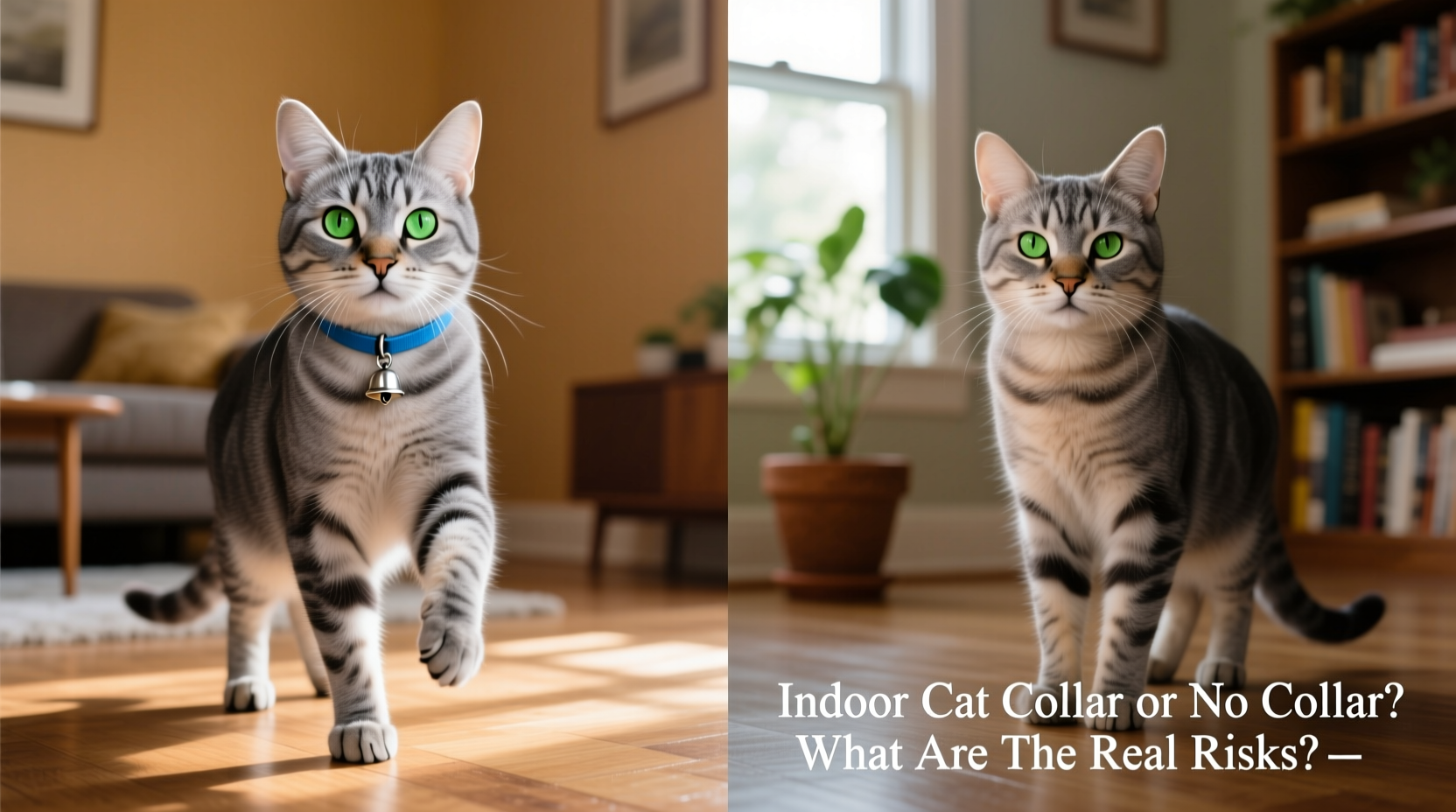
A common misconception is that indoor-only cats don’t need identification because they’ll never leave the house. But accidents happen. A delivery person walks in with a package, a child runs out the front door, or a fire forces evacuation—situations where a cat may bolt and become disoriented.
Without a collar or microchip, lost cats are often mistaken for strays. Animal shelters report that less than 2% of unidentifiable cats are reunited with their owners. In contrast, cats wearing ID tags have a significantly higher return rate. One study by the Ohio State University College of Veterinary Medicine found that lost cats returned home 38% more often when wearing visible identification.
“Even the most timid indoor cat can panic and disappear in seconds. A breakaway collar with ID is a low-cost insurance policy.” — Dr. Linda Wilson, Feline Behavior Specialist
Real Risks of Cat Collars: What Owners Should Know
While collars provide clear benefits, they aren’t without risks—especially for cats who climb, play in tight spaces, or explore under furniture. The primary concerns include:
- Snagging hazards: Collars can catch on doorknobs, furniture, fences, or tree branches, potentially leading to injury or strangulation.
- Skin irritation: Poorly fitted or non-breathable materials may cause rashes, hair loss, or infections around the neck.
- Chewing and ingestion: Some cats chew at collars, risking swallowing parts or damaging teeth.
- False sense of security: A collar without updated contact info offers little protection.
These risks are not hypothetical. In 2020, the American Veterinary Medical Association (AVMA) recorded over 200 reported incidents of collar-related injuries in cats, mostly involving traditional buckled collars rather than modern breakaway designs.
Tip: Always choose a breakaway collar specifically designed for cats—never use dog collars or human accessories.Breakaway Collars: The Middle Ground
Modern cat collars equipped with breakaway clasps are engineered to release under pressure. If the collar snags, the clasp opens, allowing the cat to free itself safely. These collars combine visibility and identification with built-in safety mechanisms.
When properly fitted, a breakaway collar should be snug enough that two fingers can slide beneath it but loose enough to allow natural movement. Most experts recommend checking the fit weekly, especially in growing kittens or cats with thick winter coats.
Many owners opt for collars with embedded QR codes or digital tags linked to online profiles. These avoid the jingle of metal tags while providing detailed information like medical needs, owner contact, and behavioral notes.
Choosing the Right Collar: A Practical Checklist
Checklist: Selecting a Safe Indoor Cat Collar- ✔ Use only breakaway-style collars designed for cats
- ✔ Ensure proper fit—two fingers should fit underneath
- ✔ Include ID tag or QR code with current contact info
- ✔ Avoid bells if your cat hunts indoors or startles easily
- ✔ Inspect weekly for wear, fraying, or skin irritation
- ✔ Replace every 6–12 months or sooner if damaged
Microchipping vs. Collars: Complementary, Not Competitive
Some owners believe microchipping eliminates the need for collars. While microchips are invaluable—providing permanent, tamper-proof identification—they are not a substitute for visible ID.
Veterinarians and rescuers must scan a cat to detect a microchip, which doesn’t happen immediately in many field situations. A collar with a tag allows anyone—from a neighbor to a postal worker—to instantly contact the owner.
| Feature | Collar + ID Tag | Microchip |
|---|---|---|
| Immediate identification | Yes – visible to anyone | No – requires scanning |
| Can fall off or be removed | Yes | No – permanent |
| Lifespan | 6–12 months (with wear) | 15+ years |
| Cost | $10–$25 | $45–$60 (one-time) |
| Best used as | First-line ID | Backup verification |
The safest approach combines both: a breakaway collar with ID and a registered microchip. This dual-layer system maximizes the chances of recovery if a cat escapes.
A Real-Life Example: How a Collar Made All the Difference
In Columbus, Ohio, a 3-year-old domestic shorthair named Milo slipped out during a house fire. Firefighters evacuated the family but couldn’t locate the cat. Two days later, a neighbor spotted him hiding under a porch three blocks away. Because Milo wore a bright blue breakaway collar with a tag listing his phone number, the neighbor called immediately. The family was reunited within hours.
“We never thought he’d go outside,” said owner Sarah Tran. “But seeing that collar made someone care enough to help. I’ll never take it off again.”
This case underscores a key truth: emergencies don’t follow routines. A collar becomes critical not during normal days, but during the one moment everything goes wrong.
Step-by-Step: Introducing a Collar to Your Indoor Cat
If you’ve decided to use a collar, introduce it gradually to reduce stress:
- Day 1–2: Let your cat sniff and investigate the collar. Place it near their bed or food bowl.
- Day 3: Fasten the collar for short periods (10–15 minutes) while offering treats or playtime.
- Day 4–5: Extend wear time to a few hours, monitoring for scratching or discomfort.
- Day 6: Leave on overnight if no irritation occurs.
- Day 7: Begin regular daily use and inspect the neck area for redness or swelling.
Most cats adjust within a week. If your cat persistently tries to remove the collar or shows signs of distress, consider alternative identification methods like engraved tags on a harness worn during supervised outings.
Frequently Asked Questions
Can a collar really choke my cat?
Traditional collars without safety features pose a risk, but breakaway collars are designed to release under pressure. When properly fitted and used as directed, modern cat collars are extremely safe.
What if my cat hates the collar?
Start slow and pair the collar with positive experiences. If resistance continues, ensure the fit isn’t too tight and try a softer material. As an alternative, rely on a microchip and post window decals indicating a pet is missing during emergencies.
Should kittens wear collars?
Yes, but choose an adjustable breakaway collar made for kittens. Monitor fit closely as they grow, and replace every few months. Early introduction helps them accept the collar as normal.
Final Thoughts: Safety Is Proactive, Not Reactive
The question isn’t just about collars—it’s about preparedness. An indoor cat without identification is vulnerable the moment they step outside, even unintentionally. While the risk of collar-related injury is real, it is dramatically reduced with proper design and supervision. Conversely, the risk of permanent loss without identification is high and irreversible.
Balancing these factors means embracing smart solutions: breakaway collars, up-to-date tags, and microchips work together to protect what matters most. You don’t need to choose between safety and freedom—you can have both with thoughtful planning.
💬 Your cat’s safety starts today. If you haven’t already, invest in a breakaway collar with ID and ensure your microchip details are current. Share this article with fellow cat owners to spread awareness—because every indoor cat deserves a way home.








