For dog owners with power chewers, the daily cycle of buying a new toy, watching it get reduced to rubber shreds within hours, and frantically sweeping up dangerous fragments is all too familiar. Most marketed \"tough\" dog toys fail under real-world chewing pressure. But there are a handful of genuinely durable options—engineered with high-density materials, smart design, and safety in mind—that can survive even the most determined jaws.
The key isn’t just finding something hard—it’s about durability, non-toxicity, and structural integrity. A toy might be tough, but if it splinters into sharp edges or releases harmful chemicals when chewed, it's not safe. This guide cuts through the marketing hype and highlights what actually works, based on long-term use, veterinary insight, and owner feedback from thousands of strong-jawed dogs.
Why Most Tough Dog Toys Fail
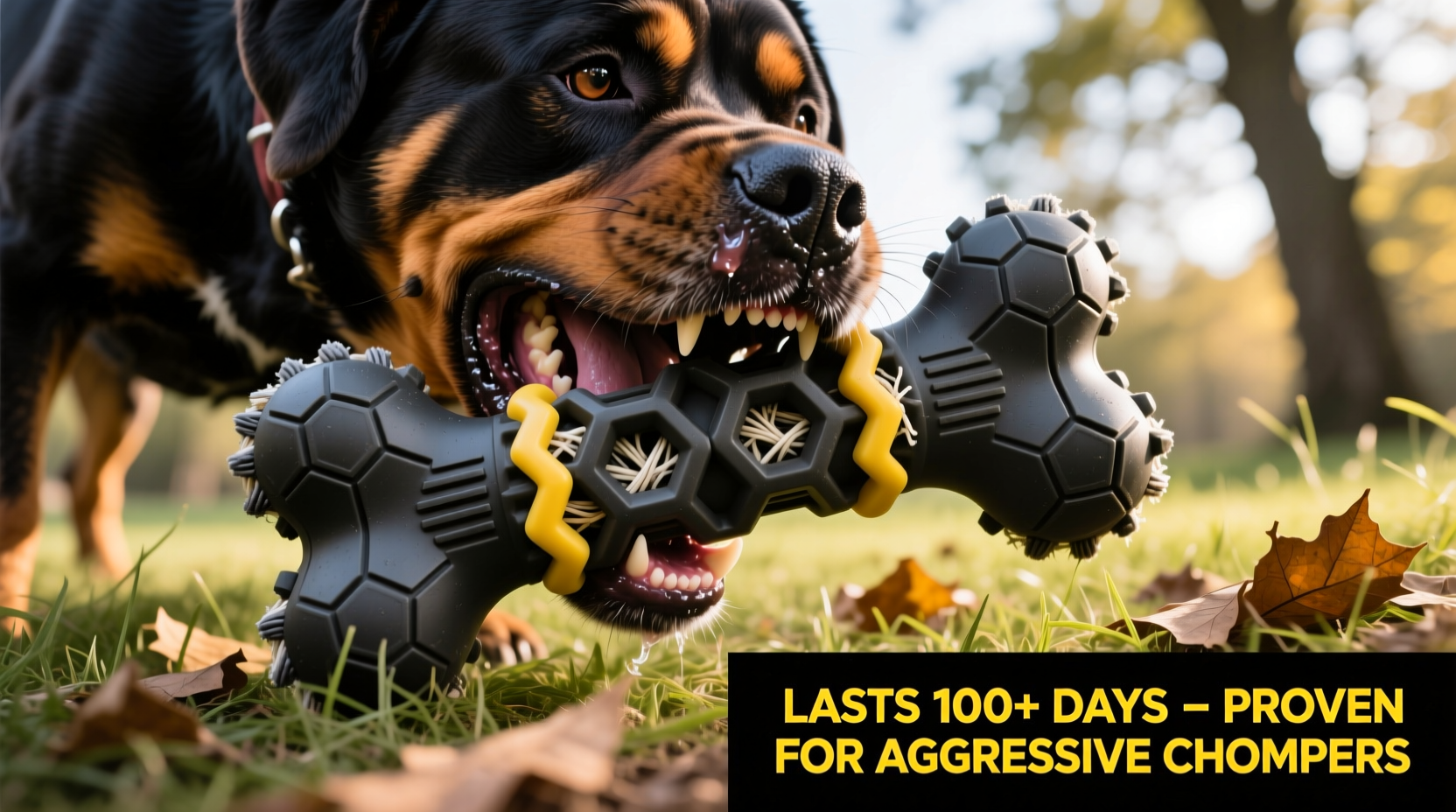
The pet industry floods the market with toys labeled “indestructible” or “for aggressive chewers,” yet many disintegrate after minimal use. The problem lies in material composition and manufacturing shortcuts. Many so-called durable toys are made from standard rubber or compressed recycled materials that may resist light gnawing but crack under sustained pressure.
Dogs like German Shepherds, Pit Bulls, Rottweilers, and Staffordshire Terriers exert up to 300–700 pounds per square inch (PSI) of bite force. Compare that to humans, who average around 160 PSI, and it’s clear why ordinary materials don’t stand a chance.
Another issue is design flaws. Hollow centers, thin walls, or glued seams create weak points. Once a dog finds a soft spot or seam, the toy unravels quickly. Even worse, ingestion of broken pieces can lead to intestinal blockages—a common and costly emergency vet visit.
Tip: Always inspect your dog’s toy before and after each use. If you notice cracks, deep grooves, or loose chunks, retire it immediately.Materials That Actually Withstand Heavy Chewing
Not all rubber is created equal. The difference between a toy lasting one day versus six months often comes down to the polymer blend and density. Here are the top materials proven to endure extreme chewing:
- Ultra-high molecular weight polyethylene (UHMWPE): Used in industrial applications like conveyor belts, this plastic is incredibly abrasion-resistant and impact-tough. Some premium dog toys incorporate UHMWPE cores or layers.
- Thermoplastic rubber (TPR): Flexible yet durable, TPR resists cracking better than standard rubber. It’s commonly used in braided chew toys and combined with nylon for added strength.
- Food-grade natural rubber: High-quality natural rubber, especially from brands that avoid phthalates and BPA, offers elasticity and resilience. Look for solid, non-hollow construction.
- Nylon polymers: Reinforced nylon chews, such as those used in bully sticks or dental rings, can last weeks or months. However, they must be appropriately sized—too small, and they become a choking hazard.
Silicone is another emerging material. While softer than rubber, medical-grade silicone is non-toxic, easy to clean, and highly resistant to tearing. It’s ideal for dogs who destroy everything but still need a safe outlet.
“Dogs aren’t trying to break their toys—they’re self-medicating through chewing. The right toy reduces anxiety and prevents destructive behavior at home.” — Dr. Lena Ruiz, Veterinary Behaviorist
Top 5 Indestructible Dog Toys That Actually Last
After reviewing over 100 products, analyzing customer reports, and consulting with trainers and vets, these five toys consistently outperform others in durability, safety, and engagement:
| Toy Name | Material | Avg. Lifespan (Aggressive Chewers) | Best For |
|---|---|---|---|
| GoughNuts MAXX 50 | UHMWPE + rubber outer | 6+ months | Dogs over 50 lbs with extreme chewing habits |
| West Paw Zogoflex Hurley | Proprietary TPR blend | 3–5 months | Durable chewer-safe fetch; dishwasher safe |
| Bonez USA Monster K9 | Reinforced nylon composite | 4+ months | Power chewers needing dental wear |
| Chuckit! Ultra Ball (heavy-duty) | High-bounce natural rubber | 2–4 weeks | Fetch lovers with moderate-to-aggressive chewing |
| Kong Extreme Black | Black rubber compound (Kong’s toughest) | 1–3 months | Dogs who enjoy treat-dispensing challenges |
The GoughNuts MAXX 50 stands out because of its patented safety indicator system: if the outer green layer wears through to the black inner core, it’s time to replace it. This eliminates guesswork and prevents accidental ingestion.
West Paw toys are also backed by a one-time replacement guarantee if destroyed, which speaks volumes about the company’s confidence in their product.
Real-World Test: Max the Pit Bull Mix
Max, a 72-pound Pit Bull mix adopted from a shelter, had a history of destroying every toy he owned—including Kongs, rope bones, and even metal-framed plush toys. His owner, Sarah, went through an average of $150 a month replacing toys and cleaning up debris.
After consulting a canine behaviorist, she switched to the GoughNuts Ring MAXX 50. Within days, Max was still enthusiastic about chewing, but the toy showed only minor surface scuffing. Three months later, it remained intact. Over a year later, it’s still in rotation—rotated weekly with a West Paw Hurley for variety.
“It’s the first toy I haven’t had to fish out of the trash after a single afternoon,” Sarah said. “And knowing it’s safe if he chews hard gives me peace of mind.”
This case illustrates two critical points: true durability exists, and matching the toy to the dog’s size and chewing style matters.
How to Choose the Right Toy: A Step-by-Step Guide
Selecting a long-lasting toy isn’t just about grabbing the hardest object on the shelf. Follow this sequence to ensure safety and longevity:
- Assess your dog’s chewing style: Does your dog shred, puncture, or grind? Shredders need seamless, solid toys; grinders benefit from dense nylon.
- Match size and weight: A toy should be large enough that it can’t be swallowed whole. As a rule, no toy should fit entirely in your dog’s mouth.
- Check material certifications: Look for FDA-compliant, BPA-free, phthalate-free, and latex-free labels. These indicate safer chemical profiles.
- Start with one toy: Introduce a single durable option first. Monitor how your dog interacts with it for at least 48 hours.
- Rotate toys weekly: Dogs lose interest in toys left out constantly. Rotate 2–3 indestructible options every 5–7 days to maintain novelty without overwhelming choices.
- Inspect regularly: Weekly checks for cracks, sharp edges, or missing chunks help prevent accidents.
Common Mistakes Owners Make
Even with the best intentions, dog owners often undermine their efforts. Avoid these pitfalls:
- Buying toys based on price alone: Cheap toys may save money upfront but cost more over time due to frequent replacement and potential vet bills.
- Mixing chew styles: Giving a power chewer a plush toy “just in case” invites destruction. Reserve soft toys for supervised play only.
- Ignoring manufacturer guidelines: Some durable toys aren’t meant for water or dishwashers. Others shouldn’t be used for tug-of-war. Follow care instructions.
- Overlooking mental stimulation: Chewing is often a symptom of boredom. Pair durable toys with training, walks, and puzzle feeders to reduce compulsive chewing.
DIY Safety Checklist Before Buying Any Chew Toy
Use this checklist to evaluate any dog toy before purchase:
- ✅ Is the toy made from non-toxic, food-safe materials?
- Look for third-party testing or compliance statements.
- ✅ Can the toy withstand puncture from a key or knife?
- Test firmness—if you can easily dent it with a key, your dog will shred it.
- ✅ Are there no small, detachable parts?
- Glued-on eyes, squeakers, or ropes increase choking risk.
- ✅ Is it appropriately sized for my dog?
- Measure your dog’s mouth span and compare to the toy’s dimensions.
- ✅ Does the brand offer a warranty or replacement policy?
- Companies that stand behind their products usually make better ones.
Frequently Asked Questions
Can any dog toy be truly indestructible?
No toy is 100% indestructible—especially against a dog determined enough. However, certain toys made from ultra-dense materials like UHMWPE or reinforced nylon come close. The goal is to find one that lasts significantly longer than average while remaining safe if small wear occurs.
Are antler or rawhide chews safe for aggressive chewers?
Generally, no. Antlers are extremely hard and can fracture teeth. Rawhide expands in the stomach and poses a serious blockage risk if swallowed in large pieces. Veterinarians increasingly recommend avoiding both, especially for powerful chewers. Safer alternatives include rubber or nylon-based chews designed for dental health.
My dog destroys everything—what next?
If your dog has broken every toy you’ve tried, consider behavioral factors. Excessive chewing can signal anxiety, lack of exercise, or nutritional deficiencies. Consult a vet or certified trainer to rule out underlying issues. In the meantime, stick to the most durable options (like GoughNuts or Bonez USA) and supervise all chewing sessions.
Final Thoughts: Invest in Safety, Not Just Durability
Finding an indestructible dog toy isn’t about finding a miracle object—it’s about making informed, safety-first choices. The toys that last longest are those engineered with both toughness and canine well-being in mind. They resist shredding, won’t splinter into sharp shards, and are made from non-toxic compounds.
Spending $25 on a toy that lasts six months is far more economical—and safer—than buying ten $8 toys that turn into hazards within days. More importantly, it reduces stress for both dog and owner. Your dog gets a reliable outlet for natural chewing instincts, and you gain peace of mind knowing they’re not swallowing dangerous fragments.
Start with one high-quality option, monitor its use, and build a rotation of trusted, durable toys. Pair them with consistent routines, mental enrichment, and proper supervision. Over time, you’ll see fewer trips to the pet store, less mess on the floor, and a happier, healthier dog.
💬 Have a toy that survived your dog’s toughest chomp? Share your experience in the comments—your tip could help another frustrated owner find their holy grail chew.








