Tomato plants are a staple in home gardens across the world, prized for their juicy fruits and versatility in the kitchen. Yet even the most attentive gardeners face a recurring challenge: disease. Left undiagnosed or untreated, fungal, bacterial, and viral infections can decimate entire crops, turning lush green vines into wilted, spotted ruins overnight. Understanding how to recognize early signs of illness—and knowing which interventions work—is essential for protecting yield, flavor, and food safety. This guide provides a comprehensive breakdown of the most prevalent tomato plant diseases, offering clear identification markers, science-backed treatment strategies, and proven prevention techniques that bridge horticultural knowledge with practical gardening wisdom.
Definition & Overview
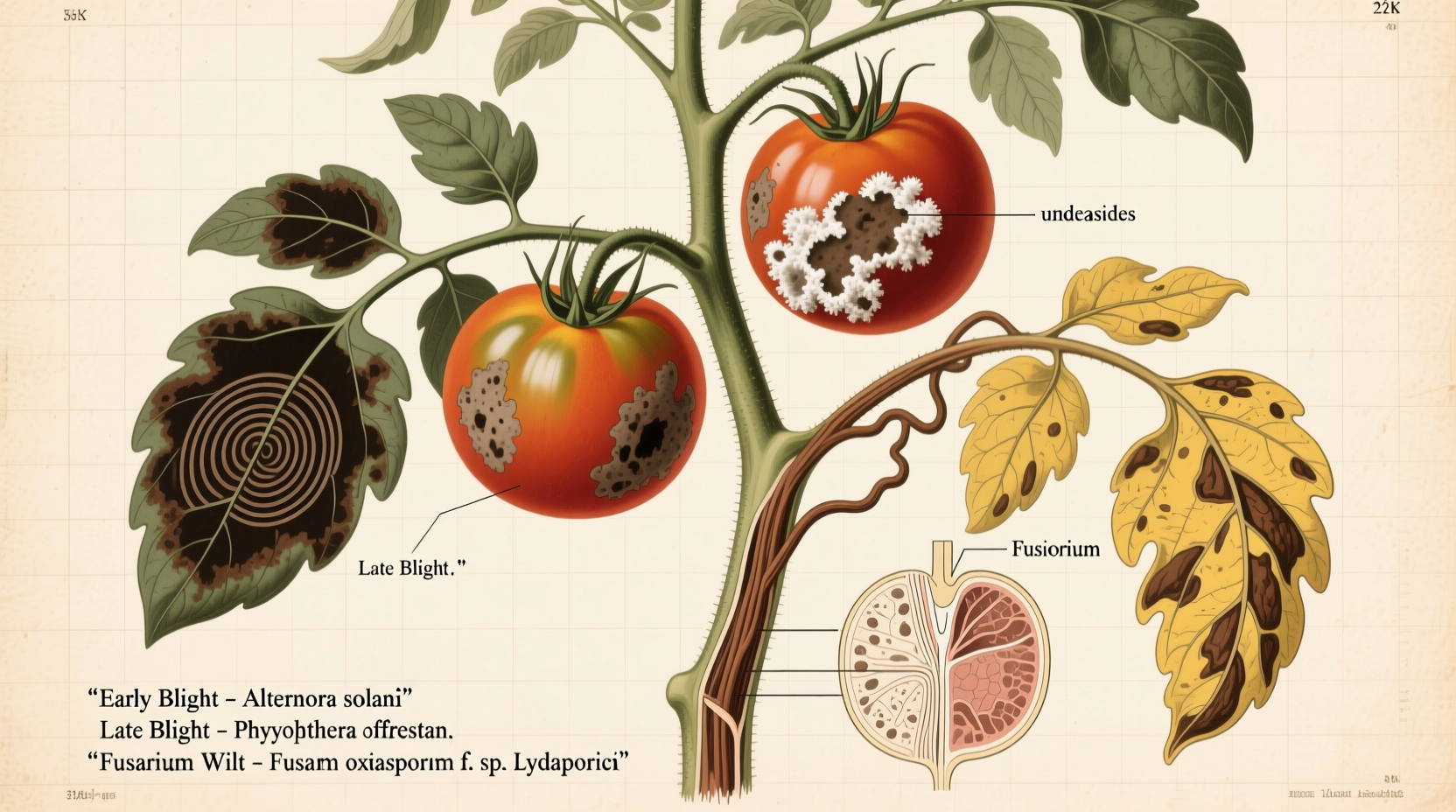
Tomato plant diseases encompass a range of biotic disorders caused by pathogens such as fungi, bacteria, viruses, and nematodes. These conditions disrupt normal plant physiology, impairing photosynthesis, nutrient uptake, and fruit development. While environmental stressors like drought or poor soil can weaken plants, true diseases involve infectious agents capable of spreading from plant to plant or persisting in soil over seasons. The Solanum lycopersicum species—common garden tomatoes—is particularly susceptible due to its dense foliage, high moisture needs, and membership in the nightshade family, which includes other disease-prone crops like potatoes and peppers.
Accurate diagnosis begins with careful observation. Many symptoms overlap—yellowing leaves may signal nutrient deficiency or verticillium wilt—so context matters. Consider timing (early vs. late season), weather patterns (prolonged humidity favors fungi), and whether symptoms appear on older or newer growth. Early detection not only improves treatment outcomes but also prevents cross-contamination to neighboring plants. With proactive management, most common diseases can be mitigated without resorting to synthetic chemicals, preserving both plant health and culinary integrity.
Key Characteristics of Major Tomato Diseases
The following table outlines the primary diseases affecting tomato plants, detailing visual symptoms, causal agents, and typical onset conditions:
| Disease | Causal Agent | Primary Symptoms | Favored Conditions |
|---|---|---|---|
| Early Blight | Fungus: *Alternaria solani* | Dark concentric spots on lower leaves; yellowing; defoliation | Warm, humid weather; leaf wetness |
| Septoria Leaf Spot | Fungus: *Septoria lycopersici* | Small gray spots with dark borders; rapid spread upward | Prolonged leaf moisture; overhead watering |
| Fusarium Wilt | Fungus: *Fusarium oxysporum f. sp. lycopersici* | Yellowing of one side of plant; vascular browning; wilting | Warm soil (>80°F); infected soil |
| Verticillium Wilt | Fungus: *Verticillium dahliae* | Interveinal yellowing; gradual wilting; stunted growth | Cooler soils (70–75°F); persists in soil |
| Bacterial Speck | Bacterium: *Pseudomonas syringae pv. tomato* | Black spots with yellow halos on leaves and fruit | Cool, wet conditions; splash dispersal |
| Bacterial Spot | Bacterium: *Xanthomonas spp.* | Water-soaked lesions turning brown; fruit scarring | Warm, rainy periods; wind-driven rain |
| Tobacco Mosaic Virus (TMV) | RNA virus | Mottled, distorted leaves; stunted growth; fern-like new growth | Mechanical transmission (hands, tools) |
| Blossom End Rot | Physiological disorder (calcium imbalance) | Dark, sunken lesion at fruit base; leathery texture | Inconsistent watering; low calcium availability |
Practical Identification Techniques
Field diagnosis relies on systematic inspection. Begin at ground level and move upward, checking stems, leaves, petioles, and fruit. Use a hand lens if available to examine lesion margins and spore structures. Here’s a step-by-step approach:
- Inspect lower leaves first: Fungal diseases like early blight and septoria typically start here due to proximity to soil-borne spores.
- Check stem integrity: Slit open a symptomatic stem longitudinally to inspect for internal discoloration—brown streaks indicate fusarium or verticillium wilt.
- Examine fruit lesions: Distinguish between fungal spots (often dry and raised) and bacterial damage (water-soaked, greasy appearance).
- Assess pattern: Uniform yellowing suggests nutrient issues; unilateral wilting points to vascular wilt diseases.
- Review cultural practices: Note recent weather, irrigation method, crop rotation history, and seed source.
Expert Tip: When in doubt, isolate affected plants immediately. Place a paper bag over the stem base before removal to minimize spore dispersal. Dispose of diseased material in sealed trash—do not compost.
Effective Treatment Strategies
Once identified, prompt action limits spread and supports recovery. Treatments vary by pathogen type, with organic options often sufficient when applied early.
Organic and Low-Impact Fungicides
Fungal diseases respond well to preventive sprays. Copper-based fungicides disrupt spore germination and are approved for organic use. Apply at the first sign of disease, ideally in the morning after dew dries. Reapply every 7–10 days during wet periods. Neem oil offers dual action as an antifungal and insect repellent but must be used carefully—avoid application above 90°F or in direct sunlight to prevent phytotoxicity.
Homemade sprays using baking soda (1 tsp per quart of water with a few drops of liquid soap) can suppress powdery mildew and some leaf spots by raising leaf surface pH. However, these lack residual activity and require frequent reapplication.
Bacterial Disease Management
Bacterial infections cannot be cured once established. Remove and destroy infected plants promptly. Do not till residues into soil. Preventatively, apply copper sprays during cool, wet weather when bacterial speck is likely. Avoid working in wet gardens—bacteria spread via contaminated tools and hands. Disinfect pruning shears with a 10% bleach solution or 70% isopropyl alcohol between cuts.
Viral Infection Response
Tobacco mosaic virus has no cure. Infected plants should be uprooted and destroyed. TMV survives on surfaces for months, so wash hands thoroughly after handling tobacco products before gardening. Some resistant varieties carry the *Tm-2²* gene, offering protection against common strains.
Correcting Physiological Disorders
Blossom end rot, though not infectious, mimics disease. It results from insufficient calcium transport to developing fruit, often due to erratic watering rather than soil deficiency. Maintain consistent soil moisture using drip irrigation and mulch. Side-dress with gypsum (calcium sulfate) at planting time to supply calcium without altering pH. Avoid high-ammonium fertilizers, which compete with calcium uptake.
Variants and Resistant Cultivars
Selecting disease-resistant varieties is the most effective long-term strategy. Seed catalogs and plant tags use standardized codes indicating resistance traits:
- F: Fusarium wilt (Race 1)
- FF: Fusarium wilt (Races 1 and 2)
- V: Verticillium wilt
- T: Tobacco mosaic virus
- A: Alternaria (early blight)
- St: Stemphylium (gray leaf spot)
- N: Nematodes
Examples include ‘Mountain Magic’ (resistant to late blight and verticillium), ‘Defiant Pheno’ (highly tolerant to early blight), and ‘Iron Lady’ (broad-spectrum fungal resistance). Heirloom lovers should note that while flavorful, many traditional varieties lack modern resistances and require more vigilant care.
Comparison with Similar Issues
Several non-disease conditions mimic tomato illnesses. Correct differentiation ensures appropriate response.
| Symptom | Possible Disease | Non-Disease Cause | How to Differentiate |
|---|---|---|---|
| Yellowing leaves | Verticillium wilt, fusarium | Nitrogen deficiency, overwatering | Diseases show vascular browning; deficiencies affect whole plant uniformly |
| Wilting | Fusarium/verticillium | Drought, root damage | Cut stem—brown xylem confirms fungal wilt |
| Fruit spots | Bacterial spot, anthracnose | sunscald, catfacing | Bacterial spots begin small and numerous; sunscald appears as pale blistered patches |
| Leaf curl | Tobacco curly top virus | Environmental stress, herbicide drift | Virus causes stunting and purpling; environmental curl affects mature leaves only |
\"Choosing resistant varieties isn’t about avoiding gardening effort—it’s about stacking the odds in your favor. A single infected plant can release millions of spores. Resistance buys time and reduces chemical reliance.\" — Dr. Linda Chalker-Scott, Urban Horticulturist, Washington State University Extension
Prevention Through Cultural Practices
Proactive measures reduce disease incidence by up to 80%, according to university extension data. Key strategies include:
1. Crop Rotation
Never plant tomatoes in the same bed two years in a row. Rotate with non-solanaceous crops (e.g., beans, lettuce, corn) to break disease cycles. A three-year minimum rotation is ideal for soil-borne fungi.
2. Proper Spacing and Pruning
Allow 24–36 inches between plants to promote airflow. Remove suckers below the first flower cluster and prune lower leaves up to 12 inches from the ground to reduce soil splash. Use clean, sterilized tools.
3. Mulching
Apply organic mulch (straw, pine needles) or landscape fabric at transplanting. This creates a physical barrier between soil and foliage, reducing spore transfer. Mulch also stabilizes soil moisture, critical for preventing blossom end rot.
4. Irrigation Method
Drip irrigation is superior to overhead sprinklers. Wet leaves encourage fungal germination. Water early in the day so any moisture evaporates quickly. Aim for 1–1.5 inches per week, adjusting for rainfall.
5. Sanitation
At season’s end, remove all plant debris. Do not leave dead vines in beds. Clean cages and stakes with soapy water or diluted bleach. Avoid composting diseased material unless you maintain a hot compost pile (140°F+).
Actionable Checklist:
✅ Rotate crops annually
✅ Space plants adequately
✅ Use drip irrigation
✅ Apply mulch at planting
✅ Prune lower leaves
✅ Scout weekly for symptoms
✅ Remove diseased leaves immediately
✅ Choose resistant varieties
Common Questions & Expert Answers
Can I eat tomatoes from a diseased plant?
Fruits from plants with fungal or bacterial leaf diseases are generally safe to eat if the fruit itself shows no lesions. Cut away any damaged areas, wash thoroughly, and consume promptly. Never eat fruit from plants infected with late blight (*Phytophthora infestans*) if it shows decay—some secondary molds produce harmful compounds. Blossom end rot does not affect edibility; simply slice off the affected portion.
Are there natural fungicides that work?
Yes. Products containing *Bacillus subtilis* (e.g., Serenade ASO) or potassium bicarbonate (e.g., GreenCure) have demonstrated efficacy in university trials. They work best as preventives, forming a protective microbial layer or altering leaf surface chemistry. Begin applications at flowering and continue weekly during humid weather.
Why do my cherry tomatoes get more diseases than large ones?
Cherry tomatoes often have denser foliage and longer ripening periods, creating a humid microclimate within clusters. Their thin skins also make them more prone to cracking, offering entry points for bacteria. Ensure extra pruning for air circulation and harvest frequently to reduce overripening.
Does neem oil harm beneficial insects?
Neem oil primarily affects chewing and sucking pests (aphids, mites) when ingested. It has minimal impact on bees and predatory insects if applied in the evening when pollinators are inactive. Avoid spraying open flowers.
Can I save seeds from a diseased plant?
No. While most fungal and bacterial pathogens don’t transmit through seed, exceptions exist. *Clavibacter michiganensis* (bacterial canker) and TMV can persist on seed coats. Even if the embryo is clean, surface contamination risks future outbreaks. Only save seeds from healthy, open-pollinated plants.
Summary & Key Takeaways
Successful tomato cultivation hinges on vigilance and informed intervention. The most damaging diseases—early blight, septoria, fusarium, and bacterial spot—are manageable when caught early. Accurate diagnosis separates treatable conditions from incurable infections, guiding appropriate responses. Cultural practices like crop rotation, proper spacing, and drip irrigation form the foundation of disease prevention. Resistant varieties offer built-in protection, reducing reliance on sprays. Organic treatments such as copper and biofungicides provide effective support when used preventively.
Remember: healthy soil grows resilient plants. Amend with compost, maintain consistent moisture, and prioritize sanitation. At the first sign of trouble, act decisively—remove affected tissue, adjust practices, and monitor closely. By integrating botanical knowledge with practical stewardship, gardeners ensure not only abundant harvests but also safer, higher-quality tomatoes for fresh eating, sauces, and preservation.
Start this weekend: inspect your tomato plants with a critical eye, implement one new preventive measure, and record observations in a garden journal. Small steps today lead to stronger plants tomorrow.









