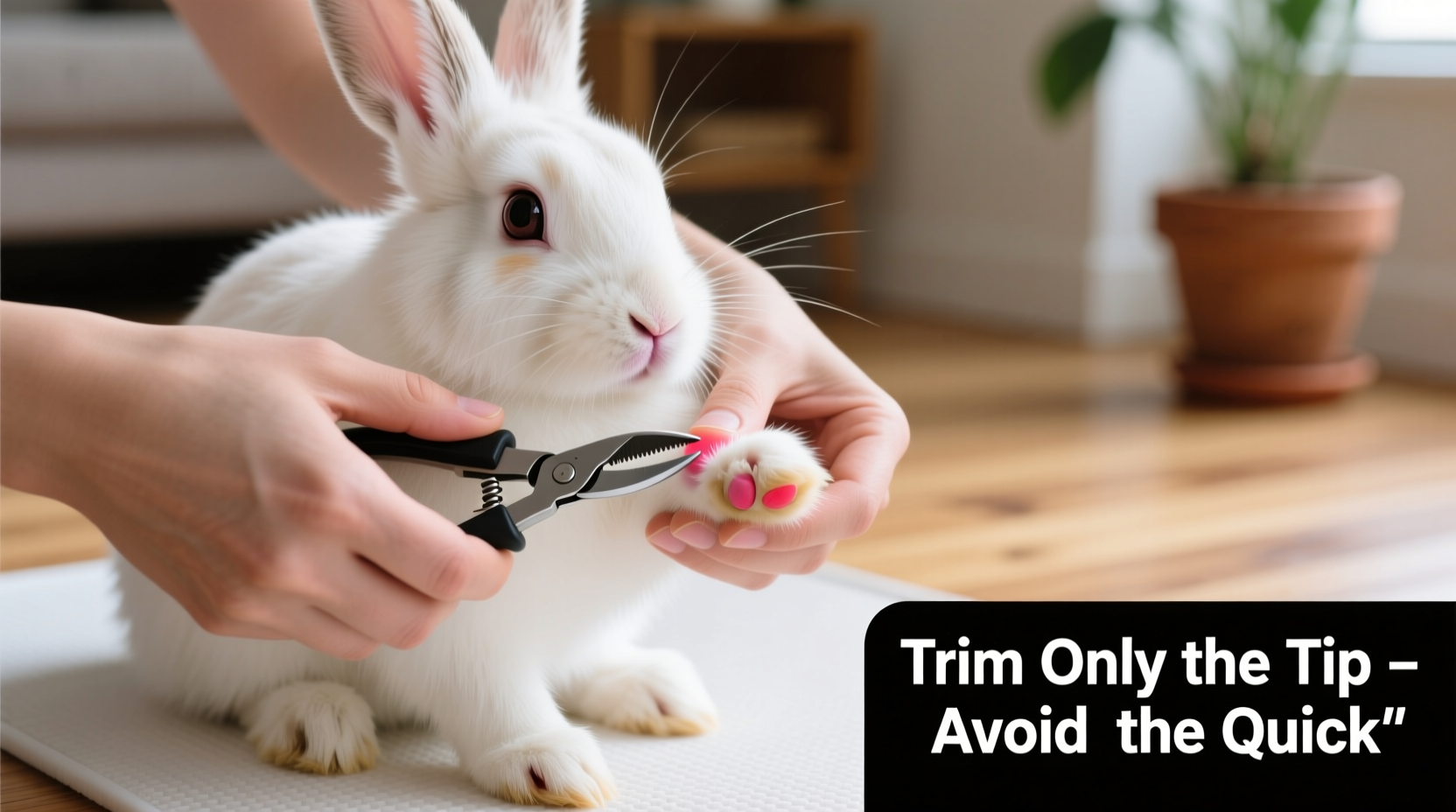
Trimming a rabbit’s nails is essential for their health and comfort, but many owners approach the task with anxiety—both for themselves and their pet. Done incorrectly, it can lead to pain, bleeding, and lasting fear of handling. However, with patience, proper tools, and a calm strategy, nail trimming can become a safe, low-stress routine. This guide provides practical steps, expert insights, and proven techniques to help you maintain your rabbit’s nails confidently and compassionately.
Why Regular Nail Trimming Matters
Rabbits in captivity often don’t wear down their nails naturally like wild rabbits do through constant movement on varied terrain. Overgrown nails can curl into the paw pad, cause discomfort, alter gait, and even lead to joint issues over time. Long nails are also more prone to snagging on carpets or fabrics, which can result in painful breaks or dislocations.
Beyond physical health, maintaining short nails supports positive handling experiences. A rabbit that doesn’t flinch when picked up due to sore feet is more likely to remain calm during grooming and vet visits.
Tip: Check your rabbit’s nails every 2–3 weeks. Most rabbits need trimming every 4–6 weeks depending on growth rate and activity level.Essential Tools and Preparation
Using the right equipment reduces risk and increases precision. Avoid improvising with human clippers or scissors, as they may crush or split the nail.
- Guillotine-style or scissor-style pet nail clippers: Designed specifically for small animals. Scissor-style clippers offer better visibility and control for smaller nails.
- Styptic powder or cornstarch: To stop bleeding immediately if the quick is accidentally cut.
- Treats: High-value, soft treats your rabbit loves. These reinforce positive associations.
- A towel (optional): For gentle restraint if needed, but avoid overly tight wrapping.
- A well-lit area: Natural light or a bright lamp helps identify the quick—the pink vascular core inside the nail.
“Rabbits are prey animals; any sign of pain or restraint can trigger fear. The goal isn’t just to trim nails—it’s to preserve trust.” — Dr. Lena Ruiz, Exotic Animal Veterinarian
Step-by-Step Guide to Stress-Free Nail Trimming
Success lies in preparation, pacing, and positivity. Follow this sequence to minimize stress and prevent injury.
- Choose the Right Time: Pick a moment when your rabbit is naturally calm—often after resting or eating. Avoid attempting trims when they’re alert or skittish.
- Acclimate Gradually: For new rabbits or those fearful of handling, spend several days gently touching their paws during cuddle sessions. Reward each contact with a treat.
- Position Comfortably: Sit on the floor with your rabbit on your lap or beside you. Some prefer being held securely against your chest; others feel safer on a non-slip surface. Let them set the pace.
- Expose One Paw at a Time: Gently extend a paw without force. If your rabbit pulls away, pause and try again later. Never pin or restrain aggressively.
- Inspect the Nail: In light-colored nails, the quick appears as a pink line running into the nail. Avoid cutting within 2–3 mm of it. For dark nails, where the quick isn’t visible, make small, conservative cuts and look for a small black dot in the center of the cut surface—this signals you’re nearing the quick.
- Cut at a 45-Degree Angle: Clip just beyond the curve of the nail tip. This shape prevents sharp points and mimics natural wear.
- Reward Immediately: After each nail (or every two), offer a treat and soothing words. Keep the mood light and encouraging.
- Limit Sessions if Needed: It’s perfectly acceptable to trim two nails one day and the rest the next. Completing all nails in one sitting is not a requirement.
How to Avoid the Quick and Handle Bleeding
The quick contains blood vessels and nerves. Cutting into it causes pain and bleeding, and can make future trims traumatic. Prevention is key.
| Nail Color | Quick Visibility | Safe Cutting Zone | Pro Tip |
|---|---|---|---|
| White/Transparent | High – pink core clearly visible | At least 2–3 mm below the pink | Use backlighting for clarity |
| Black/Dark | Low – quick not visible | Make tiny cuts; stop when a dark circle appears in the center | When in doubt, leave it long and recheck in a week |
| Striped/Multicolored | Moderate – varies by section | Assess each nail segment individually | Err on the side of caution—better too long than bleeding |
If bleeding occurs, stay calm. Apply styptic powder directly to the tip and hold gentle pressure for 30–60 seconds. If you don’t have styptic powder, cornstarch or flour works in a pinch. Most minor bleeds stop within a few minutes. Avoid bathing or wetting the foot afterward.
“I once treated a rabbit brought in after a home trim caused significant bleeding and distress. The owner hadn’t realized how close they were cutting. A week later, the same owner returned—this time with confidence, using a flashlight and tiny cuts. The rabbit didn’t struggle at all.” — Dr. Lena Ruiz
Building Positive Associations: A Real Example
Sophie adopted a rescue rabbit named Thistle who had never been handled. His nails were severely overgrown, curling under his feet. Attempting a trim on day one resulted in frantic kicking and hiding.
Instead of forcing the issue, Sophie began a two-week acclimation process. She spent 10 minutes daily offering treats while gently touching his legs and paws. She introduced the clippers nearby—without using them—while giving snacks. By week three, she was able to lift one paw, touch the nail, and give a treat—all without cutting.
On the fourth attempt, she trimmed a single back nail. Thistle stayed still, nibbled his treat, and hopped off calmly. Over the next ten days, she completed the remaining nails in pairs. Today, Thistle approaches her with curiosity when he sees the treat bag come out—and allows full nail checks without resistance.
This case illustrates that behavior shapes outcomes. Patience isn’t just kind—it’s effective.
Common Mistakes to Avoid
Even well-meaning owners can unintentionally create negative experiences. Be mindful of these pitfalls:
- Rushing the process: Trying to finish all nails in one go often leads to stress and mistakes.
- Ignoring body language: Flattened ears, thumping, or tensing are signs to stop and reassess.
- Cutting too close “just once”: Even one bleed can teach your rabbit to fear the process.
- Using dull clippers: Crushes the nail instead of making a clean cut, increasing discomfort.
- Holding the rabbit too tightly: Restraining with force damages trust and increases heart rate.
Checklist: Nail Trimming Readiness
Before starting, confirm you’re fully prepared:
- ✅ Clippers are sharp and clean
- ✅ Styptic powder or cornstarch is within reach
- ✅ Treats are ready and appealing
- ✅ Lighting is sufficient to see nail structure
- ✅ Rabbit is calm and not distracted by noise or other pets
- ✅ You have enough time—rushing increases risk
- ✅ You’re in a quiet, familiar space for your rabbit
Frequently Asked Questions
How do I trim nails if my rabbit won’t sit still?
Break the process into micro-steps. Start with rewarding paw touches, then brief lifts, then simulated cuts without clipping. Many rabbits accept trims better when lying on their side—a position some find calming when supported gently. If your rabbit remains highly resistant, consider enlisting a vet or professional groomer for initial trims, then gradually take over at home.
Can I file rabbit nails instead of cutting?
Filing can smooth sharp tips but rarely shortens long nails effectively. Manual filing takes considerable time and may stress the rabbit more than a quick clip. Battery-powered pet nail grinders work better for maintenance but require noise desensitization first. Use filing as a supplement—not a replacement—for trimming.
What if I accidentally cut the quick?
Stay calm, apply styptic powder with firm but gentle pressure, and comfort your rabbit with soft speech and petting. Once bleeding stops, end the session. Offer a favorite treat to rebuild positivity. The nail will heal, but allow 1–2 weeks before attempting another trim to reduce sensitivity.
Final Thoughts and Encouragement
Trimming rabbit nails isn’t just about maintenance—it’s an act of care that strengthens your bond. When approached with empathy and consistency, what begins as a daunting chore can evolve into a quiet moment of connection. Every small step you take toward gentle handling builds trust that lasts far beyond the grooming session.
You don’t need to be perfect. You only need to be patient, prepared, and present. With the right tools and mindset, you can keep your rabbit comfortable, mobile, and confident—nail after nail.
💬 Have a nail-trimming success story or a challenge you overcame? Share your experience in the comments—your insight could help another rabbit owner feel more confident today.








