Puppies explore the world with their mouths. Nipping and mouthing are natural behaviors during teething and social development, but when those sharp little teeth latch onto human skin, it can be painful and problematic. The key is not to punish this instinctive behavior, but to guide it in the right direction. With patience, consistency, and the right techniques, you can teach your puppy to interact without biting—preserving both your hands and the bond you're building.
Understanding Why Puppies Bite Hands
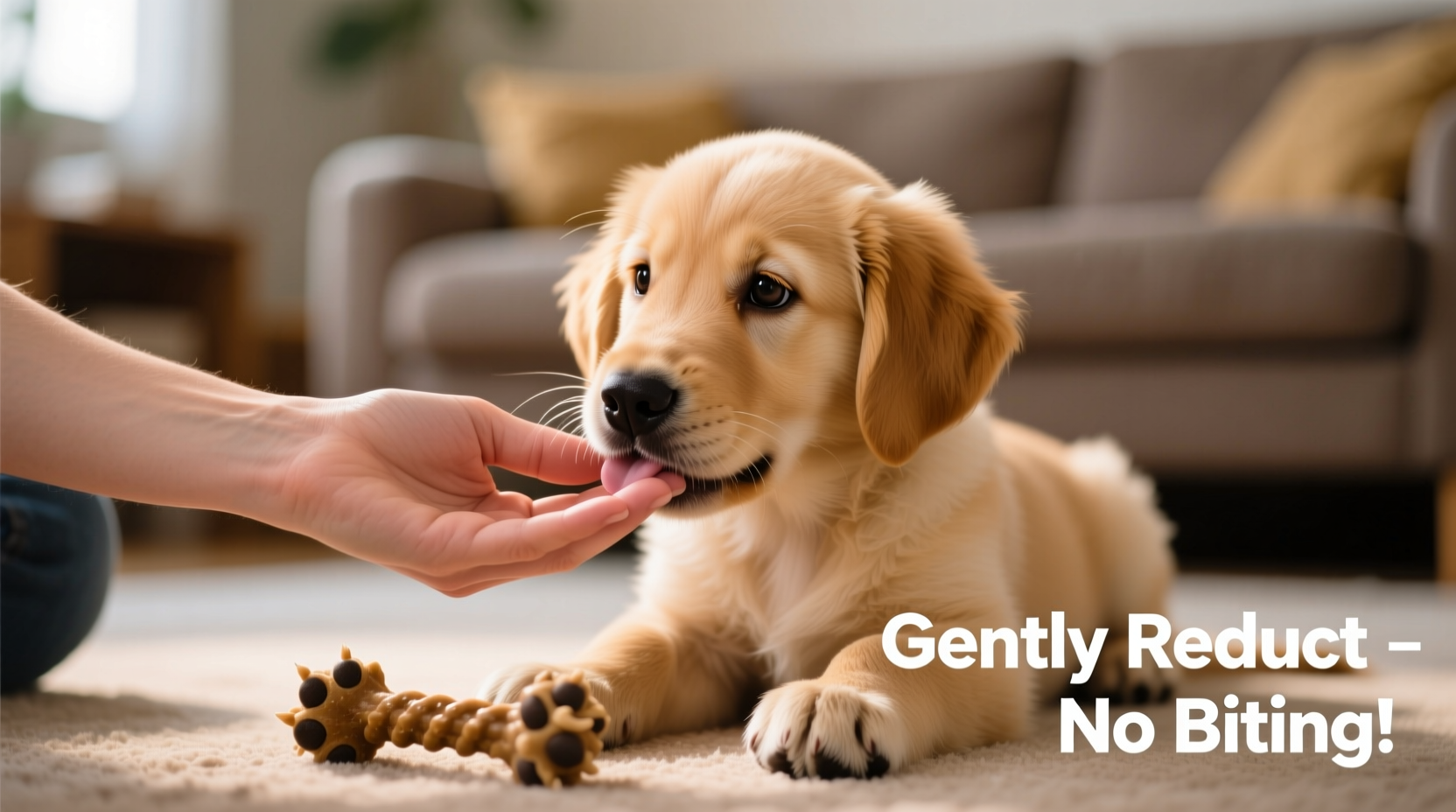
Biting isn't aggression—it's communication. Puppies use their mouths to investigate textures, relieve teething discomfort, and play with littermates. In a litter, puppies learn bite inhibition through feedback: if one bites too hard, the other yelps and stops playing. This teaches them control. When a puppy joins your home, they haven’t yet learned that human skin is sensitive or that biting ends fun.
Hand-biting often occurs during excitement or play. Reaching down to pet, play fetch, or pick up toys can trigger a puppy’s instinct to grab. Without proper guidance, this habit can persist into adulthood, leading to behavioral issues. The goal isn’t suppression, but redirection—teaching your puppy what *is* acceptable to chew and how to engage gently.
“Puppies don’t come pre-programmed for polite behavior. They learn from consequences and repetition. Your response to biting shapes whether it continues or fades.” — Dr. Sarah Bennett, Certified Canine Behavior Consultant
Step-by-Step Guide to Gentle Bite Training
Changing biting behavior requires a structured approach. Follow this timeline over 2–6 weeks, depending on your puppy’s age and temperament. Consistency across all family members is essential.
- Recognize the triggers: Identify when biting happens—during play, feeding, or attention-seeking—and prepare responses in advance.
- Use the “Yelp and Withdraw” method: When your puppy bites your hand, let out a high-pitched yelp (like a hurt littermate), then immediately stop moving and turn away for 10–20 seconds. This mimics natural puppy communication.
- Redirect to appropriate chew toys: After the pause, offer a chew toy. If the puppy bites it, praise and continue interaction. This reinforces the idea that toys—not hands—are for chewing.
- End play sessions calmly: If biting persists, end the session by walking away or placing the puppy in a safe timeout area for 30 seconds. No anger, no yelling—just disengagement.
- Practice gentle handling daily: Spend 5 minutes per day touching paws, ears, and mouth while offering treats. This builds tolerance and reduces defensive nipping.
Effective Techniques That Build Long-Term Habits
Successful training goes beyond momentary corrections. It involves shaping your puppy’s expectations and reinforcing desired behaviors consistently.
Positive Reinforcement Over Punishment
Scolding or physical corrections can damage trust and increase anxiety. Instead, reward every instance of gentle interaction. Use small, soft treats and enthusiastic verbal praise when your puppy licks instead of bites or chooses a toy over your hand.
Manage Energy Levels
Overexcited puppies bite more. Ensure your puppy gets sufficient physical and mental exercise: short walks, sniffing games, puzzle feeders, and off-leash play (in safe areas). A tired puppy is less likely to seek stimulation through biting.
Teach the “Leave It” Command
This command helps interrupt unwanted behavior early. Hold a treat in your closed fist and say “leave it.” When the puppy stops trying to get it, reward with a different treat. Practice until they respond reliably, then apply it during hand interactions.
Use Timeouts Wisely
If redirection fails, a brief timeout removes the reward of attention. Place the puppy in a quiet, safe space (like a playpen) for 30–60 seconds. Avoid long isolation—this isn’t about punishment, but breaking the cycle of overstimulation.
Do’s and Don’ts: A Quick Reference Table
| Do | Don't |
|---|---|
| Redirect biting to chew toys immediately | Let biting continue even if it seems playful |
| Use calm, consistent body language | Wave hands around or play rough games that encourage biting |
| Practice short, frequent training sessions (3–5 minutes) | Train when you’re frustrated or rushed |
| Provide a variety of safe chew toys (rubber, rope, teething rings) | Give old shoes or socks as toys—confuses what’s allowed |
| Gradually desensitize to touch with treats | Pinch, slap, or hold the mouth shut as correction |
Real-Life Example: Turning Around Persistent Biting
Sophie adopted a 10-week-old Labrador mix named Milo. He loved to play, but every time she reached to pet him, he’d nip her fingers. At first, she laughed it off, thinking it was cute. But within two weeks, the bites were drawing blood.
She consulted a trainer who advised her to stop engaging the moment Milo’s teeth touched skin. The next time he bit, Sophie yelped sharply and stood still. Milo paused, confused. She then offered a rubber toy. When he took it, she praised him and resumed petting. If he bit again, she turned away completely.
Within five days, Milo began licking her hand instead of biting. By week three, he would look for his toy when excited. Sophie also started daily “gentle hands” exercises, touching his paws and muzzle while giving treats. Six weeks in, Milo no longer targeted hands at all.
The turning point wasn’t force—it was clarity. Milo learned that gentle behavior earned attention, while biting ended it.
Essential Puppy Bite Training Checklist
- ✅ Identify peak biting times (e.g., post-nap, during play)
- ✅ Stock a variety of chew toys (soft plush, rubber, textured)
- ✅ Practice the “yelp and withdraw” method consistently
- ✅ Reward every instance of non-biting interaction
- ✅ Teach “leave it” and “sit” as alternative commands
- ✅ Schedule regular exercise and mental stimulation
- ✅ Train all household members to respond the same way
- ✅ Monitor progress weekly and adjust tactics if needed
Frequently Asked Questions
Is it normal for my 4-month-old puppy to still bite?
Yes. Most puppies go through intense teething phases between 3–7 months. Increased chewing is common. What matters is how you respond. With consistent training, biting should decrease significantly by 6 months.
What if my puppy bites harder after I yelp?
Some puppies interpret high-pitched sounds as excitement, not pain. In that case, switch to a firm “Ah-ah!” and immediately stop moving. Pair this with turning your back and ending play. The goal is to remove reinforcement, not escalate arousal.
Can I use bitter sprays on my hands to stop biting?
Avoid applying anything directly to your skin. Bitter sprays are better used on furniture or inappropriate objects. For hand biting, focus on behavioral redirection rather than aversive taste. Your hands should remain neutral—not scary or unpleasant.
Building a Bite-Free Relationship
Training a puppy not to bite hands is one of the most important foundations of lifelong behavior. It’s not just about comfort—it’s about safety, respect, and mutual understanding. Every time you redirect a bite to a toy, you’re teaching your puppy how to coexist peacefully in a human world.
The process takes repetition, but each small success builds confidence—for both of you. You’re not just stopping a behavior; you’re guiding your puppy toward becoming a calm, well-mannered companion. Progress may feel slow at times, especially during growth spurts or teething peaks, but consistency pays off.
Remember, puppies don’t misbehave to defy you—they act based on instinct and learning. Your role is to provide clear boundaries and kind guidance. When handled with patience and structure, hand-biting typically resolves within a few weeks.
“Training is not about dominance. It’s about communication. When your puppy stops biting your hand, it’s not because they fear you—it’s because they understand you.” — Carlos Mendez, Professional Dog Trainer & Author of *Puppy Mindset*
Final Call to Action
Your puppy is learning every second of every day—what they learn now sets the tone for years to come. Start today by implementing one technique: the yelp-and-withdraw method, a new chew toy rotation, or a daily gentle handling session. Small actions create lasting change.
Share your progress, challenges, or tips with other pet parents. Whether you’re dealing with a feisty terrier or a clumsy retriever, your experience can help others navigate the joyful, messy journey of raising a happy, well-behaved dog.
💬 Have a puppy biting story or tip that worked for you? Join the conversation—your insight could make someone else’s training journey easier.








