
Hamsters are naturally clean animals that often designate one corner of their cage as a bathroom. By leveraging this instinct, you can successfully train your hamster to use a litter box—reducing mess, simplifying cleaning, and improving overall hygiene. While not every hamster will become 100% reliable, most adapt well with patience and consistency. This guide walks you through the science-backed methods, tools, and real-world strategies used by experienced owners and small animal care specialists.
Understanding Hamster Behavior
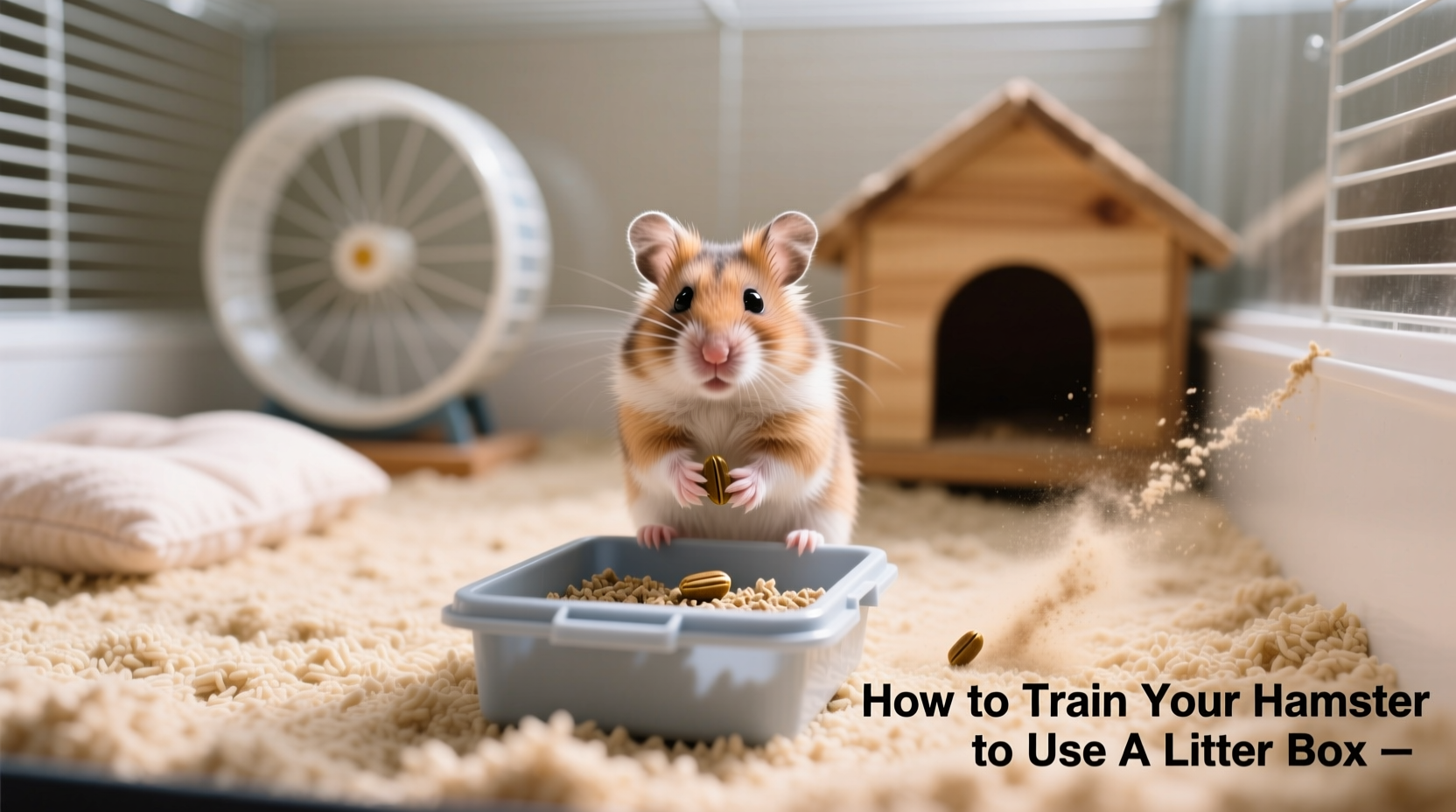
Before attempting training, it's essential to understand your hamster’s natural habits. Most hamsters, especially Syrians and dwarf breeds like Roborovskis or Campbell’s, exhibit consistent toileting behavior. They tend to choose a specific spot—often in a quiet corner—for urination and defecation. This preference is rooted in both instinct and scent marking; hamsters have scent glands on their hips, and repeated marking helps them feel secure in their environment.
This behavioral pattern makes litter training feasible. Unlike cats, hamsters don’t bury waste deeply, but they do return to the same area repeatedly. The goal of litter training isn’t perfection—it’s about containment. A trained hamster may still occasionally eliminate elsewhere, but the majority of waste will be confined to the designated zone.
“Hamsters are more trainable than people assume. Their routines are predictable, and with positive reinforcement and environmental cues, they can learn simple behaviors like using a litter area.” — Dr. Lena Patel, Exotic Pet Veterinarian
Choosing the Right Litter Box and Bedding
Not all containers work as effective litter boxes. The ideal choice should be shallow enough for your hamster to enter easily, yet deep enough to contain waste and prevent scatter. Plastic food containers, small aquariums, or commercially made hamster litter trays (such as those from Kaytee or Tiny Friends Farm) are suitable options.
Avoid clay-based cat litters, clumping formulas, or any scented bedding—these can cause respiratory issues or impaction if ingested. Instead, opt for paper-based, aspen shavings, or hemp bedding, which are dust-free and safe.
| Material | Suitable for Hamsters? | Why/Why Not |
|---|---|---|
| Clay Cat Litter | No | Dusty, can cause lung irritation; may clump internally if eaten |
| Pine Shavings | No | Contains harmful phenols; avoid unless kiln-dried and labeled safe |
| Aspen Shavings | Yes | Dust-free, absorbent, and safe for small rodents |
| Paper Pellets | Yes | Highly absorbent, biodegradable, low dust |
| Cedar | No | Toxic oils; linked to liver damage in rodents |
Step-by-Step Training Process
Litter training a hamster takes time—typically between one to four weeks depending on the individual. Follow these steps consistently for the best results.
- Observe bathroom habits: For 2–3 days, watch where your hamster naturally eliminates. Do not clean this spot during observation. Mark it mentally or with a non-intrusive note.
- Place the litter box: Position the chosen container directly over the preferred elimination area. Fill it halfway with safe bedding material.
- Add soiled bedding: Transfer a small amount of used bedding (with urine and droppings) into the box. The familiar scent reinforces the idea that this is the toilet zone.
- Maintain routine: Clean only the rest of the cage, leaving the litter box undisturbed for the first week. Replace heavily soiled material every 2–3 days, preserving some used bedding to maintain scent cues.
- Reposition gently: If your hamster eliminates outside the box, carefully move the droppings into the litter container while he watches. Avoid handling him aggressively—just use a spoon or tissue.
- Encourage with placement: After playtime or feeding, place your hamster near the litter box. Many will instinctively go shortly after eating or exploring.
- Monitor progress: Over time, you should see increased use of the box. Full success means 70–90% of waste ends up inside.
Training works best when combined with a consistent daily schedule. Hamsters are most active at dusk and dawn, so monitor behavior during these peak hours.
Tips for Success and Common Pitfalls
Even with the right setup, challenges arise. Here’s what to watch for and how to overcome them.
- Scatter control: Hamsters kick bedding while digging. Use lower-profile boxes or add a barrier (like a LEGO wall) to reduce spillage.
- Overcleaning: Washing the litter box too thoroughly removes important scent markers. Rinse lightly with water only—never soap or disinfectant.
- Wrong location: If the cage layout changes, your hamster may pick a new spot. Realign the box accordingly.
- Diet influence: High-water foods (like cucumber) increase urination. Adjust diet slightly during training to reduce frequency.
- Multiple hamsters: Dwarf hamsters sometimes live in pairs, but shared cages complicate litter training. Each hamster may claim a different corner, requiring two boxes.
Real-Life Example: Training a Syrian Hamster
When Maria adopted a three-month-old Syrian hamster named Nibbles, she noticed he always went in the back-left corner of his 20-gallon tank. She waited five days to confirm the pattern, then introduced a shallow plastic container filled with recycled paper pellets. She added a handful of soiled bedding and left it untouched for 48 hours.
Nibbles sniffed the box but didn’t use it immediately. On day three, he eliminated beside it. Maria moved the droppings into the tray with a tissue, being careful not to startle him. By day six, he began stepping into the box on his own. Within two weeks, 85% of his waste was contained. She now cleans the box every other day and reports spending half as much time on weekly cage maintenance.
“It wasn’t instant,” she says, “but watching him figure it out was amazing. Now he runs to the box after eating his sunflower seed—he knows exactly what it’s for.”
Checklist: Setting Up Your Hamster’s Litter System
Use this checklist to ensure you’ve covered all essentials before and during training:
- ✅ Observe your hamster’s natural bathroom corner for 2–3 days
- ✅ Select a shallow, escape-proof container (2–3 inches tall)
- ✅ Fill with safe, non-toxic bedding (aspen, paper-based, or hemp)
- ✅ Place used bedding with urine and droppings inside the box
- ✅ Position the box in the observed elimination zone
- ✅ Avoid cleaning the entire cage during the first week of training
- ✅ Gently transfer stray droppings into the box for reinforcement
- ✅ Monitor usage daily and adjust placement if needed
- ✅ Be patient—allow 2–4 weeks for full adaptation
Frequently Asked Questions
Can all hamsters be litter trained?
Most can show significant improvement, though success varies. Syrian hamsters tend to be the most consistent due to their territorial nature. Dwarf species may take longer or require dual boxes if they mark multiple areas.
How often should I clean the litter box?
Remove wet clumps and strong-smelling spots every 2–3 days. Fully replace contents once a week, but always leave a small portion of used bedding to preserve scent cues. Never wash the container with soap—rinse with hot water only.
Is it safe to use sand instead of bedding?
Sand baths are great for grooming but not ideal for waste collection. Urine won’t absorb and can create ammonia buildup. Stick to absorbent bedding in the litter box, and offer a separate sand bath in another part of the cage for rolling and cleaning fur.
Conclusion: A Cleaner Cage Starts Today
Training your hamster to use a litter box is a practical investment in both cleanliness and convenience. It reduces odor, minimizes deep-cleaning frequency, and strengthens your understanding of your pet’s behavior. While it demands observation, consistency, and a bit of creativity, the process aligns with your hamster’s natural instincts—not against them.
You don’t need special treats or clicker training. Just a simple container, the right bedding, and a few minutes each day to reinforce the habit. Thousands of hamster owners have seen success using these methods, and with patience, yours can too.
💬 Have a tip or story about training your hamster? Share your experience in the comments—your insight could help another owner achieve a cleaner, happier cage!








