Walking your dog should be a relaxing experience, not a wrestling match. Yet for millions of dog owners, every outing turns into a battle of wills as their pet lunges forward, straining against the collar. The good news? With consistent, positive training, you can teach your dog to walk politely by your side—often in less than 14 days. This guide breaks down a practical, step-by-step approach using science-backed methods that foster communication, trust, and self-control.
The Root Cause of Leash Pulling
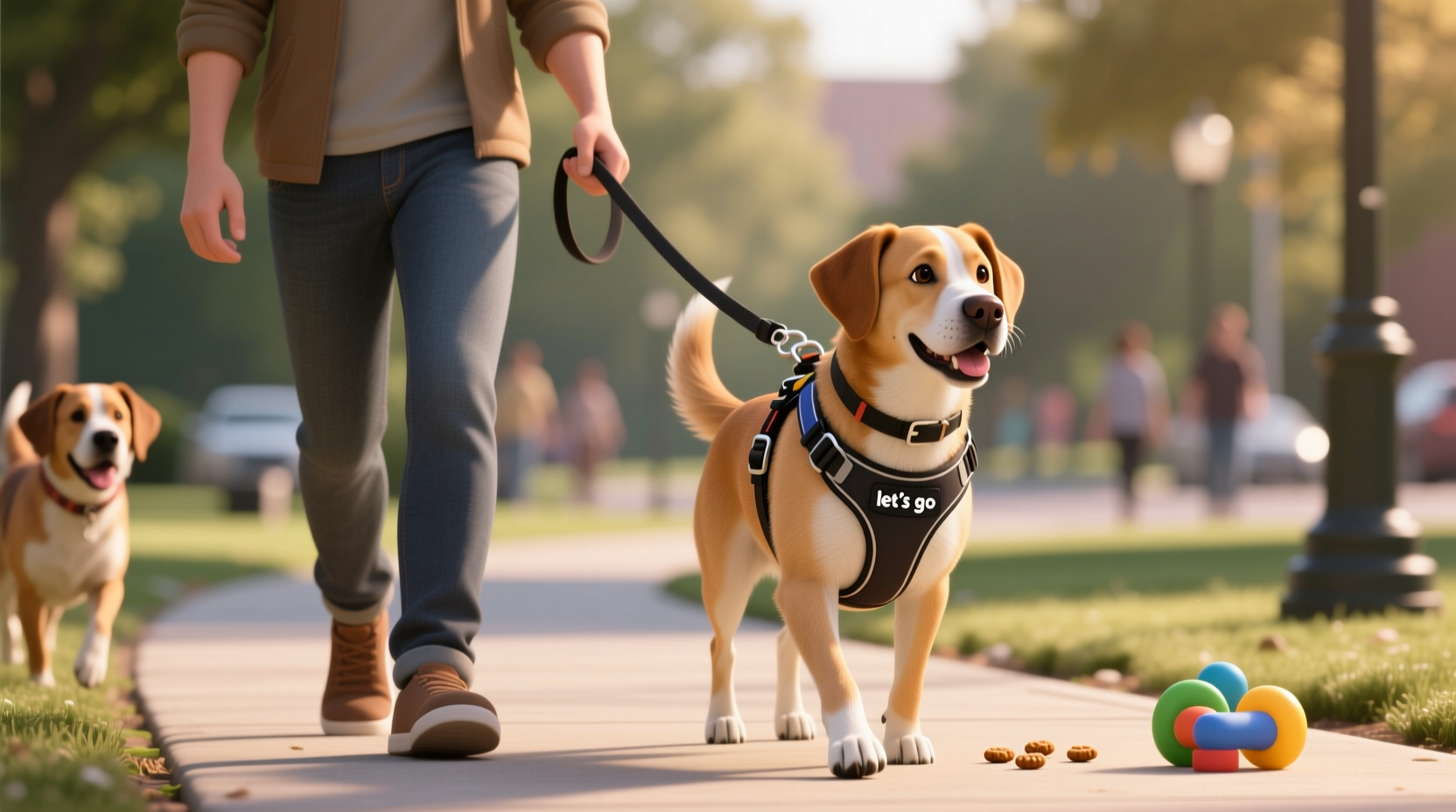
Dogs don’t pull because they’re “dominant” or “stubborn.” They pull because pulling works. Every time your dog surges ahead toward a squirrel, a smell, or another dog, they get what they want: forward motion. From the dog’s perspective, pulling is rewarded with progress. To change this behavior, we must interrupt that reinforcement cycle and teach an alternative—walking calmly beside you.
Understanding this principle is critical. Punishing pulling (yanking back, scolding) often increases anxiety and reactivity without addressing the underlying motivation. Instead, effective training replaces pulling with a desirable behavior—loose-leash walking—through clear cues, rewards, and consistency.
Tip: Always carry high-value treats during training sessions—small pieces of chicken, cheese, or hot dog work well to keep your dog engaged.A Two-Week Training Timeline
Real behavioral change doesn’t require months of effort. By dedicating just 10–15 minutes per day to focused training, most dogs show noticeable improvement within three to five days and master loose-leash walking in under two weeks. The key is structured repetition and immediate reinforcement.
- Days 1–3: Teach attention and position near you indoors.
- Days 4–7: Practice in low-distraction outdoor areas.
- Days 8–10: Increase distractions and duration.
- Days 11–14: Refine skills and generalize to real-world environments.
This timeline assumes daily practice and consistency from all family members involved in walks. Skipping days or mixing old habits with new training slows progress significantly.
Step-by-Step Training Method
The foundation of loose-leash walking is teaching your dog that staying close to you leads to forward movement, while pulling results in a pause. This method, known as “stop-and-go” or “red-light, green-light,” is simple but powerful when applied correctly.
Phase 1: Indoor Foundation (Days 1–3)
Start in a quiet room with minimal distractions. Use a standard 4–6 foot leash and a flat collar or harness. Avoid retractable leashes during training—they encourage pulling.
- Call your dog to your side and say “Let’s go” or use a cue like “heel” or “with me.”
- Take one step forward. If the leash stays slack, immediately mark the behavior (“Yes!” or a clicker) and give a treat.
- If the dog moves ahead and the leash tightens, stop instantly.
- Wait silently until the leash goes slack—even if your dog turns back slightly.
- The moment slack appears, mark it and reward. Then resume walking.
Repeat this sequence for 10–15 minutes. Your dog will begin to associate forward motion with staying at your side. Most dogs catch on within two sessions.
Phase 2: Outdoor Practice (Days 4–7)
Move to a quiet outdoor space—like a driveway, backyard, or empty parking lot. The same rules apply: reward slack leash, stop when tension appears.
Increase difficulty gradually. Start with straight-line walks, then add gentle turns. Reward your dog for following your direction without pulling. If your dog lunges, freeze. Wait for the leash to loosen before moving again.
Tip: Use sharp turns (180°) to redirect your dog if they start pulling. This encourages them to follow you rather than lead.Phase 3: Real-World Application (Days 8–14)
Now transition to busier sidewalks, parks, or neighborhood streets. Maintain the same protocol: slack = go, tight = stop. Carry higher-value treats in distracting environments to keep your dog motivated.
Gradually reduce treat frequency as your dog becomes reliable. Shift from continuous reinforcement (every correct step) to intermittent reinforcement (random rewards), which strengthens long-term behavior.
“Dogs learn best through consequences that are immediate and predictable. When pulling stops being effective, and attention earns rewards, the behavior changes quickly.” — Dr. Sarah Carter, Certified Applied Animal Behaviorist
Essential Tools and Equipment
Using the right gear makes training more effective and comfortable for both you and your dog.
| Equipment | Best For | Why It Helps |
|---|---|---|
| Front-clip harness | Dogs that pull strongly | Redirects dog’s momentum when they pull, making it harder to surge forward |
| Standard 4–6 ft leash | All dogs | Provides control and clear feedback; avoids the constant tension of retractables |
| Flat collar | Dogs with mild pulling | Suitable for light correction and everyday use |
| Treat pouch | All training phases | Keeps rewards accessible so you can respond instantly |
Avoid choke chains, prong collars, or shock collars unless prescribed by a certified trainer for specific behavioral issues. These tools can damage the human-animal bond and increase fear-based aggression.
Common Mistakes That Delay Progress
Even with the right method, small errors can undermine training. Avoid these pitfalls:
- Inconsistency: Letting your dog pull sometimes (e.g., “just this once”) teaches them that pulling eventually works.
- Reacting too slowly: Delayed rewards or corrections confuse dogs. Timing is everything.
- Over-facing distractions: Starting training in a busy park sets your dog up to fail. Build skills in stages.
- Pulling back on the leash: Yanking teaches resistance, not compliance. Instead, stop and wait.
- Ignoring body language: A tense, lunging dog is overstimulated. Step back and reduce pressure.
Mini Case Study: Max, the Overexcited Labrador
Max, a two-year-old yellow Lab, pulled so hard on walks that his owner, Jenna, developed shoulder pain. She tried yelling and jerking the leash, but Max only pulled harder when he saw other dogs or bicycles.
Jenna started the two-week program using a front-clip harness and chicken treats. On Day 1, Max walked 10 feet before pulling. She stopped, waited five seconds for the leash to slacken, then rewarded and continued. By Day 4, Max was checking in with her after every few steps. On Day 7, they completed a full block without a single pull. By Day 12, Max walked calmly past squirrels and cyclists, earning praise and occasional treats. After two weeks, Jenna regained control—and enjoyment—of their daily walks.
Her success came from consistency, the right equipment, and understanding that Max wasn’t misbehaving—he was simply doing what worked.
Training Checklist: What You Need to Succeed
✅ Your Loose-Leash Walking Success Checklist:- Use a 4–6 ft fixed-length leash
- Select a front-clip harness if needed
- Fill a treat pouch with small, smelly rewards
- Choose a consistent cue (“Let’s go,” “Heel,” “With me”)
- Train daily for 10–15 minutes
- Start indoors or in low-distraction areas
- Stop immediately when the leash tightens
- Reward the instant the leash goes slack
- Gradually increase distractions over two weeks
- Involve all household members in the same method
Frequently Asked Questions
What if my dog ignores treats during walks?
If your dog isn’t food-motivated in distracting environments, try using play (a quick tug or ball toss) as a reward, or switch to higher-value treats like boiled liver or freeze-dried meat. Some dogs respond better to verbal praise and petting—test what works. You can also train first in calmer settings to build the habit before adding excitement.
Can older dogs learn not to pull?
Absolutely. Age doesn’t prevent learning. Older dogs may take slightly longer due to established habits, but the same principles apply. Be patient and consistent. Many senior dogs thrive with structured training, which also provides mental stimulation.
Should I use a head halter like a Gentle Leader?
Head halters can be effective for strong pullers, especially during the initial training phase. They give gentle control by guiding the dog’s head toward you when they pull. However, introduce them gradually with positive association (treats, no pressure). Never jerk the leash—use it to guide, not punish. Some dogs need time to adjust, so pair it with regular training.
Maintaining Long-Term Success
After two weeks, your dog should walk politely on a loose leash in familiar areas. But maintenance matters. Continue to reinforce good behavior occasionally, even after mastery. Life events—new environments, seasonal stimuli (like leaves blowing or runners)—can trigger regression.
To keep skills sharp:
- Practice regularly, even after success.
- Revisit basic training if pulling returns.
- Keep walks engaging with sniffing breaks and varied routes.
- Rotate treat types to sustain interest.
Remember, walking together is a partnership. When your dog learns that staying close brings rewards and progress, they’ll choose to stay by your side—not because they have to, but because they want to.
Final Thoughts
Stopping leash pulling isn’t about dominance or force. It’s about communication. In under two weeks, you can transform chaotic walks into peaceful, enjoyable experiences by teaching your dog a simple truth: good things happen when they walk with you, not ahead of you. The tools, timing, and consistency are within your reach. Start today—your next walk could be the first one where you both feel relaxed, connected, and in sync.
💬 Ready to enjoy stress-free walks? Begin the training tonight in your living room. Share your progress or questions in the comments—your journey can inspire others too.








