
Walking your dog should be a peaceful ritual—a chance to bond, exercise, and enjoy the outdoors. But when your dog pulls relentlessly on the leash, turning every sidewalk into a tug-of-war, it becomes stressful, exhausting, and even dangerous. For owners of stubborn dogs, this behavior can feel impossible to change. Yet with the right approach, consistency, and understanding of canine psychology, even the most determined pullers can learn to walk politely by your side.
Pulling is not defiance; it’s communication. Dogs pull because they’re excited, under-stimulated, or have learned that pulling gets them where they want to go faster. The solution isn’t punishment—it’s redirection, reinforcement, and patience. This guide breaks down proven training methods, tools, and mindset shifts that lead to lasting results.
Understanding Why Dogs Pull
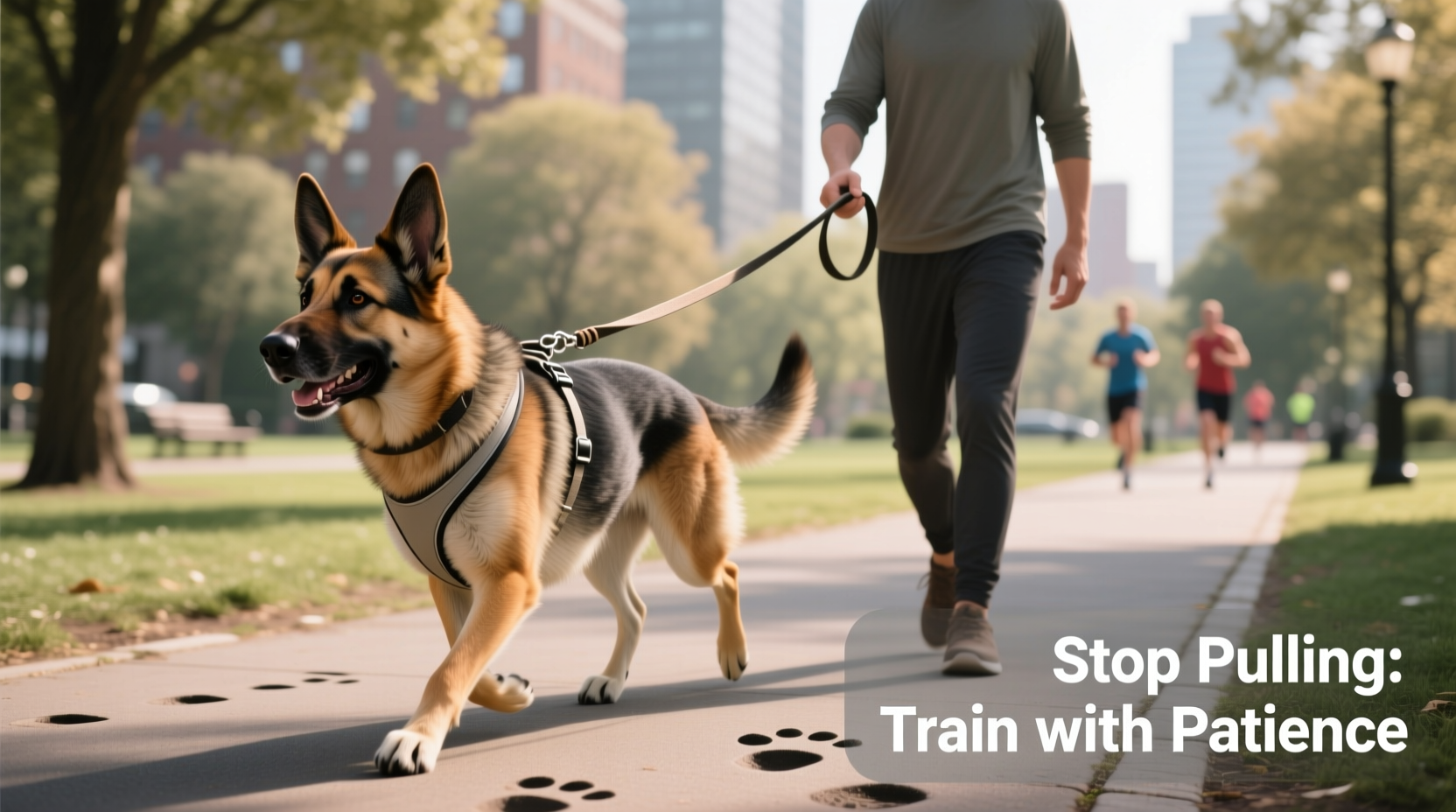
Dogs are naturally curious and driven by scent, movement, and exploration. When on a walk, their world explodes with stimuli: other animals, people, vehicles, and interesting smells. Their instinct is to move toward these stimuli quickly. If pulling has previously gotten them closer to something exciting, they’ve been inadvertently rewarded—and the behavior strengthens.
Stubbornness in dogs is often misinterpreted. What looks like defiance is usually persistence rooted in motivation. A dog who pulls isn’t trying to dominate you; they’re simply following their instincts without knowing an alternative. Training must therefore focus on teaching what *to do*, not just stopping what *not* to do.
“Dogs don’t pull to annoy us—they pull because we haven’t taught them a better way to get what they want.” — Dr. Sophia Yin, Veterinarian and Animal Behaviorist
Essential Tools for Leash Training Success
Using the right equipment makes a significant difference. While no tool replaces proper training, some gear reduces strain on both dog and handler and supports learning.
| Tool | Best For | Why It Helps |
|---|---|---|
| Front-clip harness | Dogs who pull hard | Redirects the dog’s momentum sideways when they pull, making pulling less effective |
| No-pull harness (e.g., Freedom Harness) | Medium to strong pullers | Applies gentle pressure to discourage forward motion without choking |
| Head halter (e.g., Gentle Leader) | Dogs with high prey drive or reactivity | Controls direction via the head, similar to a horse’s bridle |
| Standard flat collar | Well-trained dogs or light pullers | Adequate for dogs who already walk nicely; avoid for strong pullers due to neck strain |
Step-by-Step Training Plan for Loose-Leash Walking
Changing a persistent pulling habit takes time, but a structured plan accelerates progress. Follow these steps consistently for 10–15 minutes daily over several weeks.
- Start in a low-distraction environment. Use a quiet backyard, empty parking lot, or hallway. Minimize distractions so your dog can focus on you.
- Use high-value treats. Choose something your dog loves—small pieces of chicken, cheese, or hot dog. These act as powerful reinforcers during early training.
- Teach “attention” first. Stand still and say your dog’s name. When they look at you, mark the behavior with a clicker or verbal cue (“Yes!”) and reward. Repeat until they consistently turn to you when called.
- Introduce the “follow” game. Hold a treat near your leg and start walking slowly. Say “Let’s go” or “This way” as you move. Reward your dog for staying near your side. If they surge ahead, stop immediately.
- Use the red-light/green-light method. When the leash is loose, keep moving (green light). The moment it tightens, stop (red light). Wait for slack to return—either by your dog stepping back or turning toward you—then mark and reward before resuming.
- Add turns and changes in pace. Practice sudden U-turns or quick changes in direction. This teaches your dog to watch you instead of charging forward.
- Gradually increase difficulty. Move to sidewalks, parks, and busier areas only after your dog walks reliably in simpler settings.
- Phase out treats. Once your dog consistently walks without pulling, begin rewarding intermittently. Replace food rewards with praise, petting, or access to sniffing as reinforcement.
The key is consistency. Every walk is a training opportunity. Never allow pulling to be occasionally rewarded—even once can undo weeks of progress.
Common Mistakes That Reinforce Pulling
Many well-meaning owners unknowingly make the problem worse. Avoid these pitfalls:
- Yanking back on the leash. This creates opposition reflex—dogs pull harder when pressure is applied. It also damages trust and increases tension.
- Allowing forward motion while the leash is taut. If your dog pulls and you continue walking, you’re reinforcing the exact behavior you want to eliminate.
- Expecting perfection too soon. Dogs need repetition. Progress may plateau, but persistence pays off.
- Using punishment-based tools. Choke chains, prong collars, or shock collars may suppress pulling temporarily but often increase fear, anxiety, or aggression.
- Skipping mental stimulation. An under-exercised dog is more likely to pull from pent-up energy. Incorporate puzzle toys, obedience drills, or scent games before walks.
Real-Life Example: Transforming Max, the Bull Terrier
Max, a three-year-old Bull Terrier, pulled so hard his owner developed shoulder pain. Walks were chaotic—he lunged at squirrels, ignored commands, and dragged her across intersections. Traditional corrections didn’t work; he seemed immune to scolding.
Working with a certified trainer, Max’s owner switched to a front-clip harness and began training in a quiet driveway. She started by rewarding Max for standing near her without pulling, then took two steps forward if he stayed loose. When he surged, she stopped. At first, this meant freezing for 30 seconds at a time. Max would bark in frustration—but eventually, he turned back to check on her.
After two weeks of daily 10-minute sessions, Max began anticipating stops and adjusting his pace. His owner introduced U-turns and changed directions randomly. By week six, they were walking around the block with minimal pulling. Now, eight months later, Max walks calmly through busy streets, checks in frequently, and earns rewards for self-control.
The turning point wasn’t dominance—it was clarity. Max finally understood that calmness leads to progress.
Checklist: Daily Leash Training Routine
Follow this checklist every time you train:
- ✅ Use a front-clip harness or head halter
- ✅ Carry high-value treats in a pouch
- ✅ Choose a low-distraction starting area
- ✅ Warm up with 1–2 minutes of attention exercises
- ✅ Begin walking only when the leash is slack
- ✅ Stop immediately when the leash tightens
- ✅ Wait for eye contact or backward step before moving
- ✅ Reward frequently for walking beside you
- ✅ Keep sessions short (5–15 minutes) but consistent
- ✅ End on a success—don’t quit during a pull
When Stubbornness Might Signal a Deeper Issue
Sometimes, excessive pulling is tied to underlying problems:
- Reactivity: Dogs who lunge at other dogs or strangers may pull out of fear or over-arousal, not just excitement.
- Lack of fitness: Under-exercised dogs build up energy that fuels pulling.
- Poor socialization: Dogs unfamiliar with urban environments may feel overwhelmed and rush forward to investigate.
- Medical discomfort: Neck pain, hip dysplasia, or respiratory issues can cause resistance or erratic movement on leash.
If your dog shows signs of anxiety, aggression, or physical discomfort, consult a veterinarian or certified behavior consultant. Training should never override medical or emotional needs.
Frequently Asked Questions
How long does it take to stop a dog from pulling?
Most dogs show improvement within 2–4 weeks of consistent training. However, deeply ingrained habits may take 2–3 months or longer. Progress depends on frequency of practice, environmental distractions, and prior reinforcement history.
Can older dogs learn not to pull?
Yes. Age doesn’t prevent learning. Older dogs may take longer due to established habits, but they respond well to positive reinforcement. Start with shorter sessions and be patient—mental fatigue sets in faster.
Should I use a retractable leash during training?
No. Retractable leashes encourage pulling by allowing dogs to surge forward unchecked. They also pose safety risks. Use a standard 4–6 foot leash for full control and clear communication.
Conclusion: Patience, Not Power, Wins the Walk
Training a stubborn dog to stop pulling isn’t about winning a battle of strength—it’s about building cooperation. Every time your dog walks beside you without tension on the leash, you’re deepening trust and mutual respect. The methods outlined here rely not on force, but on consistency, timing, and positive reinforcement.
Progress may feel slow at times. There will be days when old habits resurface. But each stop, each moment of eye contact, each loose-leash step is a brick in a new behavioral foundation. With dedication, even the most relentless puller can become a joyful, attentive walking companion.
💬 Have a stubborn dog? Share your journey or ask questions in the comments below. Your experience could inspire another dog owner to keep going.








