
Rabbits are naturally clean animals, often choosing one or two corners of their space to eliminate. This instinct makes them excellent candidates for litter box training—often more reliably than cats. With patience, consistency, and an understanding of rabbit behavior, most rabbits can be trained to use a litter box consistently within a few weeks. Unlike dogs or cats, rabbits don’t need to be taken outside or taught complex commands. Instead, success lies in observing their habits, setting up the right environment, and reinforcing positive behavior.
The benefits of a well-litter-trained rabbit go beyond cleanliness. It allows for safer free-roaming time, reduces odor in the home, and strengthens the bond between pet and owner. However, setbacks can occur due to stress, changes in routine, or medical issues. The key is not perfection but progress. By following science-backed methods and adjusting based on your rabbit’s personality, consistent litter use is entirely achievable.
Understanding Rabbit Elimination Behavior
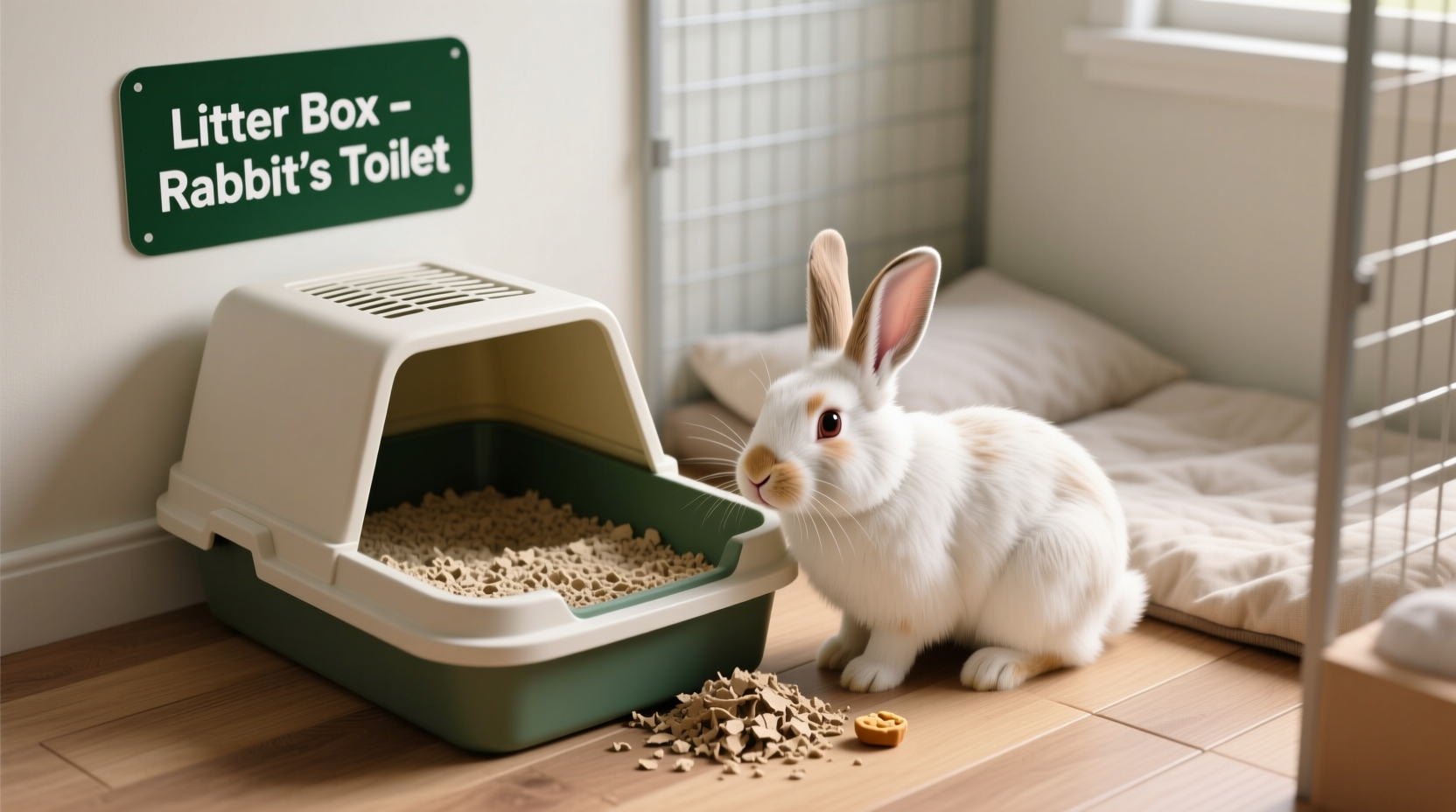
Rabbits are crepuscular animals, meaning they’re most active during dawn and dusk. These peak activity periods often coincide with bathroom breaks. Most rabbits will urinate several times a day and produce numerous fecal pellets—sometimes over 100 in 24 hours. Their digestive system runs almost continuously, which means frequent elimination is normal.
Crucially, rabbits have a strong instinct to mark territory using both urine and cecotropes (a special type of soft feces they normally re-ingest). When a rabbit starts spraying urine vertically or scattering droppings outside the box, it may be a sign of territorial marking, especially in unspayed or unneutered rabbits. This behavior is far less common after spaying or neutering, which is why veterinarians strongly recommend the procedure by four to six months of age.
“Over 90% of behavioral issues in pet rabbits, including litter box avoidance, improve significantly after spaying or neutering.” — Dr. Katrina Warren, Exotic Animal Veterinarian
In the wild, rabbits avoid soiling their burrows to prevent attracting predators. This translates into a domestic setting as a preference for keeping their living area clean. When a rabbit soils outside the box, it’s rarely out of defiance—it’s usually because the box is dirty, misplaced, or associated with stress.
Step-by-Step Guide to Litter Training
Training a rabbit to use a litter box effectively follows a logical progression. While some rabbits catch on in days, others may take several weeks. The process hinges on observation, consistency, and environmental management.
- Choose the right litter box. Use a low-sided, wide tray so your rabbit can easily hop in and out. For larger breeds, consider a cat litter box with one side cut down. Avoid covered boxes—they trap ammonia and discourage use.
- Select safe, absorbent litter. Paper-based or aspen shavings are ideal. Never use clay, clumping, or scented litters—they can cause respiratory issues or be toxic if ingested.
- Place the box where your rabbit naturally eliminates. Observe for 2–3 days to identify preferred corners. Put the litter box there—even if it’s in the middle of the room initially.
- Add hay to the box. Place a hay rack or handful of fresh hay directly in or beside the litter box. Rabbits like to eat while they eliminate, and this encourages repeated use.
- Confine the rabbit during training. Start with a smaller, controlled space (like a pen or rabbit-safe room) to limit options. Expand freedom gradually as reliability improves.
- Clean spills promptly—but not the entire box. Remove soiled bedding immediately, but leave a few droppings in the box at first. Scent cues help reinforce the location.
- Gradually increase freedom. Once your rabbit uses the box consistently for a week, allow access to another room. Add additional boxes in new areas as needed.
Common Challenges and How to Solve Them
Even with proper setup, setbacks happen. The most frequent issues include urine spraying, pooping outside the box, and sudden regression after initial success.
Urine spraying typically occurs in unaltered rabbits asserting dominance or reacting to new scents (like another pet). Neutering males and spaying females drastically reduce this behavior. If spraying continues, block vertical surfaces with cardboard or plastic panels temporarily.
Scattered droppings are often normal during exploration or play. A rabbit running in circles (“binkying”) may drop pellets along the way. This isn’t a training failure—it’s joyful expression. However, if droppings cluster in specific off-limits areas, place a small litter box or mat there to redirect the habit.
Sudden litter box avoidance should prompt a health check. Urinary tract infections, arthritis, or gastrointestinal discomfort can make squatting painful. If your rabbit grimaces while peeing, produces small or bloody urine, or stops eating, consult a vet immediately.
| Problem | Possible Cause | Solution |
|---|---|---|
| Urinating beside the box | Box too small or uncomfortable entry | Switch to a larger box with lower sides |
| Frequent box changes | Dominance or mate-seeking behavior | Spay/neuter; maintain routine cleaning |
| Avoiding the box entirely | Dirty box, wrong location, or pain | Clean daily, relocate gradually, vet visit |
| Eating litter | Nutritional deficiency or boredom | Switch to paper-based litter; enrich diet |
Checklist for Successful Litter Training
- ✅ Spay or neuter your rabbit (if not already done)
- ✅ Use a spacious, low-entry litter box
- ✅ Fill with rabbit-safe litter (paper, aspen, or pelleted recycled paper)
- ✅ Place hay directly in or above the box
- ✅ Position the box in your rabbit’s preferred bathroom corner
- ✅ Clean urine-soaked spots daily; refresh litter every 2–3 days
- ✅ Start training in a confined area before expanding freedom
- ✅ Add extra boxes when allowing access to new rooms
- ✅ Monitor for signs of illness if behavior changes suddenly
- ✅ Be patient—consistency builds long-term habits
Real-Life Example: Training Bella the Dwarf Rabbit
Bella, a 5-month-old Netherland Dwarf, was adopted from a shelter with no prior litter training. Her new owner, Mark, noticed she consistently urinated behind her food bowl and scattered droppings near her play tunnel. Following expert advice, he placed a shallow litter box in that corner and filled it with paper-based litter. He added a hay rack directly over the box, ensuring fresh timothy hay was always available.
Initially, Bella used the box for pooping but continued to dribble urine nearby. Mark cleaned the area with an enzyme cleaner to remove odor traces and added a second, smaller box just beside the main one. Within five days, Bella began using both boxes—one for urine, one for droppings. After being spayed at six months, her urine marking stopped completely. By week eight, she used the litter boxes 95% of the time, even during 4-hour free-roam sessions in the living room. Mark attributes success to consistency, prompt cleaning, and respecting Bella’s natural instincts.
Do’s and Don’ts of Rabbit Litter Training
| Do’s | Don’ts |
|---|---|
| Use unscented, dust-free litter | Use clay, clumping, or pine/cedar shavings |
| Keep hay accessible in the litter area | Remove hay from the box thinking it discourages use |
| Clean the box frequently but leave some droppings initially | Scrub the box completely with strong chemicals daily |
| Spay or neuter your rabbit early | Delay altering hoping behavior will improve naturally |
| Observe patterns and adjust box placement | Move the box abruptly without transition |
FAQ: Common Questions About Rabbit Litter Training
How long does it take to litter train a rabbit?
Most rabbits begin using the box within a few days, especially if spayed or neutered. Full consistency—over 90% accuracy—typically takes 2 to 6 weeks. Some rabbits achieve near-perfect use in under a week, while others require ongoing reinforcement.
Can older rabbits be litter trained?
Yes. Age is rarely a barrier. Older rabbits may take longer due to established habits, but they respond well to consistent routines and proper setup. Medical conditions like incontinence should be ruled out by a veterinarian if training fails.
Why does my rabbit poop everywhere when out for playtime?
Rabbits often drop pellets while exploring or exercising—this is normal marking behavior. They’re not being defiant. To minimize cleanup, confine play to carpeted or tile areas you can wipe down easily, or place small litter mats in high-traffic zones to collect droppings.
Final Thoughts and Next Steps
Litter training a rabbit isn’t about enforcing obedience—it’s about working with their instincts. The most effective trainers aren’t those who correct mistakes harshly, but those who observe, adapt, and create an environment where the right choice is the easiest one. A well-placed box with hay, a clean living space, and a healthy, altered rabbit form the foundation of lasting success.
Progress may be gradual, but each correctly placed pellet is a win. Celebrate small victories, stay consistent with cleaning, and remember that setbacks are part of the process. With time, many rabbit owners find their pets not only use the litter box reliably but actively lead them to it when they want it changed—a testament to their intelligence and bond with their human.
💬 Have a litter training success story or challenge? Share your experience in the comments to help fellow rabbit owners build cleaner, happier homes!








