Puppy biting is one of the most common challenges new dog owners face. While it’s natural behavior rooted in exploration, teething, and play, unchecked biting can escalate into problematic habits. The key isn’t punishment—it’s redirection, consistency, and understanding your puppy’s needs. With the right approach, most puppies learn to stop biting within a few weeks. This guide breaks down a humane, effective method to teach your puppy gentle interactions with human hands.
Why Puppies Bite Hands
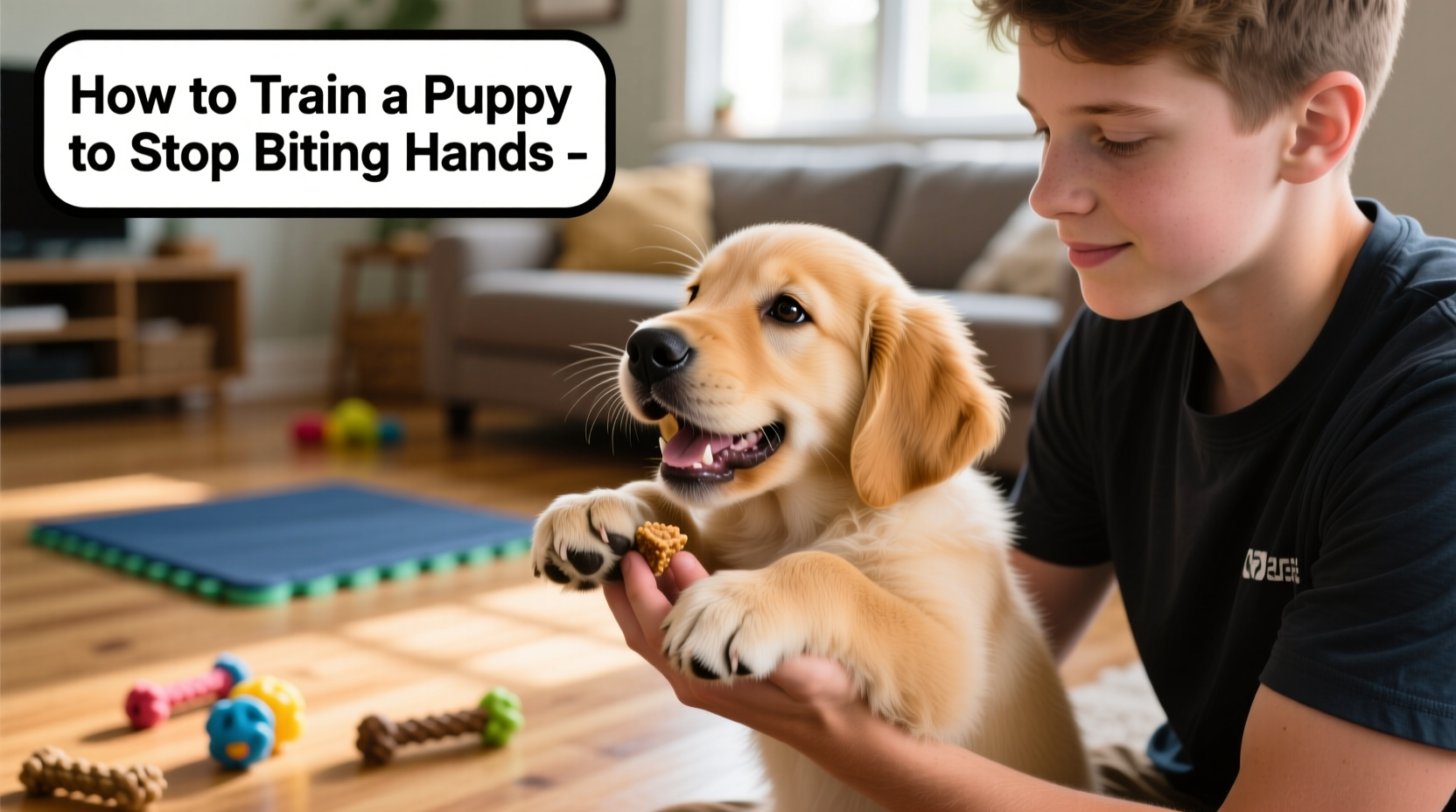
Puppies explore the world with their mouths. Their sharp baby teeth emerge around 3–4 weeks, and by 8–10 weeks—the typical age for adoption—they’re eager to chew on everything, including fingers, sleeves, and shoes. Biting during play mimics how littermates interact. When a pup bites too hard, the other yelps and stops playing, teaching bite inhibition. Without this feedback, puppies may not learn appropriate pressure.
Additionally, hands are often in motion, which triggers a puppy’s prey drive. Waving fingers or pulling away can make hands seem like toys. Understanding these motivations helps you respond appropriately instead of reacting emotionally.
Tip: Never use your hands as toys during play—even if it seems fun now. It teaches your puppy that hands are acceptable to bite.The Step-by-Step Training Process
Stopping hand biting requires patience and repetition. Follow this timeline-based method consistently for best results. Most puppies show improvement within 2–3 weeks when the process is followed diligently.
- Recognize the trigger: Identify when biting occurs—during excitement, fatigue, or overstimulation—and intervene early.
- React calmly: When bitten, immediately freeze or pull your hand away without jerking. Sudden movement encourages chasing.
- Use a verbal cue: Say “Ouch!” in a high-pitched, startled tone (like a yelping littermate) to signal discomfort.
- End engagement: Turn away or stand up and stop all interaction for 10–20 seconds. This removes attention, the primary reward.
- Redirect: Offer an appropriate chew toy immediately after the break. Praise when they take it.
- Repeat consistently: Every household member must follow the same steps every time biting happens.
Consistency is crucial. If one person allows biting while another corrects it, the puppy becomes confused. Everyone interacting with the pup should be on the same page.
Essential Training Tools and Environment Setup
Success depends not just on reaction but on preparation. Equip your environment to support learning.
- Chew toys: Keep durable rubber toys (like Kongs) and soft plush options nearby. Rotate them weekly to maintain interest.
- Leash indoors: Use a lightweight leash attached to your puppy’s collar during supervised play. If biting escalates, gently guide them away without physical struggle.
- Baby gates or pens: Create a safe zone where the puppy can decompress when overexcited.
- Treat pouch: Have small, soft treats ready to reward calm behavior and toy engagement.
Do’s and Don’ts of Puppy Bite Training
| Do | Don't |
|---|---|
| Use a consistent verbal cue like “Ouch!” or “No bite.” | Scream, hit, or shake your puppy—it increases fear and aggression. |
| Redirect to a chew toy immediately after stopping play. | Wag your fingers or tease with hands during playtime. |
| Reward calm behavior with treats and praise. | Give attention after biting—even negative attention reinforces the behavior. |
| Practice short, frequent training sessions (5–10 minutes). | Try to train when the puppy is overtired or overstimulated. |
| Use time-outs only if redirection fails. | Isolate your puppy for more than 30 seconds—it can damage trust. |
Real Example: Training Bella the Labrador Retriever
Bella, a 10-week-old black Lab, joined her family full of energy. Within days, her playful nips turned painful. Her owners initially laughed when she bit during games, reinforcing the behavior. By week three, Bella was lunging at hands whenever someone walked by.
They implemented the step-by-step method: saying “Ouch!” firmly, freezing their hands, turning away, and offering a rubber bone. They kept toys near the couch and used a light leash indoors to manage impulses. At first, Bella continued biting, but after five consistent days, she began looking for her toy after hearing “Ouch!” By day 14, hand biting dropped by 90%. Now at six months, Bella still mouths gently when excited but releases immediately when told.
Their success came from unified rules—no exceptions, even during video calls or late nights. Bella learned that hands bring treats and pets only when she’s calm.
Expert Insight on Bite Inhibition
“Puppies who learn bite inhibition before 16 weeks are far less likely to develop aggressive mouthing later. It’s not about eliminating mouthing entirely—it’s about teaching gentle interaction.” — Dr. Karen Becker, Veterinary Behaviorist
Dr. Becker emphasizes that early socialization and controlled feedback are critical. Puppies who don’t learn appropriate mouth pressure may grow into dogs that injure people during excited greetings. Training now prevents problems years down the line.
Advanced Techniques for Persistent Biters
If your puppy continues biting despite consistent training, consider these strategies:
- Time-outs: After saying “Ouch,” calmly lead your puppy to a quiet pen or room for 30 seconds. No yelling—just disengagement. Return only when they’re calm.
- Hand targeting: Teach “touch”—where your puppy nudges your palm with their nose. This redirects mouth focus into a positive behavior. Use treats to reinforce.
- Increased exercise: A tired puppy is a well-behaved puppy. Ensure at least 30–60 minutes of daily activity tailored to breed and age.
- Mental stimulation: Use puzzle feeders, scent games, and obedience drills to reduce boredom-related chewing.
For puppies under 12 weeks, avoid long isolation. Instead, redirect and reward. Older puppies (4–6 months) can handle brief time-outs if done calmly and consistently.
Tip: Practice “bite inhibition” by letting your puppy mouth your hand gently. If pressure increases, say “Ouch!” and withdraw. This teaches them to control jaw strength.Frequently Asked Questions
Is it normal for my puppy to bite aggressively?
True aggression in puppies under 16 weeks is rare. What appears aggressive is usually overexcitement or poor bite inhibition. Signs of real aggression include stiff body posture, growling without provocation, and targeted snapping. If observed, consult a certified dog behaviorist immediately.
How long does it take to stop puppy biting?
Most puppies significantly reduce biting within 2–4 weeks of consistent training. Full maturity of bite control often coincides with the end of teething, around 6–7 months. However, early intervention ensures faster progress.
Can I use bitter spray on my hands?
No. Bitter sprays on skin are unsafe if ingested and don’t address the root cause. Instead, redirect to legal chew items. Taste deterrents can be applied to furniture or shoes—but never on body parts.
Training Checklist: Stop Puppy Biting Hands
- ✅ Understand that biting is normal but must be redirected.
- ✅ Choose a consistent verbal cue (“Ouch!” or “No bite”).
- ✅ Keep chew toys accessible in every room.
- ✅ React the same way every time: freeze, say cue, turn away.
- ✅ Redirect to a toy and reward with praise or treat.
- ✅ Involve all family members in consistent training.
- ✅ Avoid rough play involving hands or feet.
- ✅ Monitor for signs of overstimulation and allow rest breaks.
- ✅ Use time-outs sparingly and calmly if needed.
- ✅ Celebrate progress—small reductions in biting are wins.
Conclusion: Building a Gentle Companion
Training a puppy not to bite hands isn’t about dominance—it’s about communication. Your puppy wants to please you but doesn’t yet understand human boundaries. Through clear signals, consistent responses, and positive alternatives, you guide them toward respectful behavior. Every time you redirect a bite to a toy, you strengthen trust and safety.
This phase passes, but the habits formed now last a lifetime. A dog who learns gentleness as a puppy grows into a confident, well-mannered companion. Start today, stay patient, and remember: every yelp corrected is a future handshake preserved.
💬 Have a puppy biting success story or challenge? Share your experience below—your insight could help another pet parent find hope and solutions.








