Puppies explore the world with their mouths. Nipping at hands, tugging sleeves, and mouthing fingers are common behaviors in young dogs, especially during play. While it may seem harmless—or even cute—at first, unchecked biting can escalate into painful habits and behavioral issues as your puppy grows. The good news: with consistency, patience, and the right techniques, you can teach your puppy to play gently and respect boundaries.
This guide outlines proven training strategies grounded in canine behavior science. You’ll learn how to redirect biting impulses, reinforce positive alternatives, and build trust through structured interaction—all without resorting to punishment or dominance-based tactics.
Understanding Why Puppies Bite
Biting during play is not aggression—it’s natural exploratory and social behavior. Puppies use their mouths much like human babies use their hands: to investigate textures, test reactions, and engage with their environment. Littermates and their mother also play a crucial role in teaching bite inhibition—the ability to control the force of their jaws—through yelps and withdrawal when play gets too rough.
When a puppy joins your home, they haven’t yet learned that human skin is more sensitive than fur. They may also be teething, which increases chewing urges between 3 and 6 months of age. Recognizing these developmental factors helps owners respond with empathy rather than frustration.
“Puppies don’t come pre-programmed to understand human rules. They learn through feedback and repetition.” — Dr. Sophia Yin, Veterinary Behaviorist
Step-by-Step Guide to Reducing Mouthing Behavior
Training a puppy to stop biting requires a consistent, multi-pronged approach. Follow this timeline-based method over 2–6 weeks, depending on your puppy’s temperament and frequency of interaction.
- Observe triggers: Note when biting occurs—during excitement, fatigue, or specific games (like tug-of-war). Awareness helps prevent situations before they start.
- Use time-outs for excessive mouthing: When teeth touch skin, immediately say “Ouch!” in a high-pitched tone (mimicking a littermate’s yelp), then stand up and walk away for 20–30 seconds. This removes attention, the primary reward.
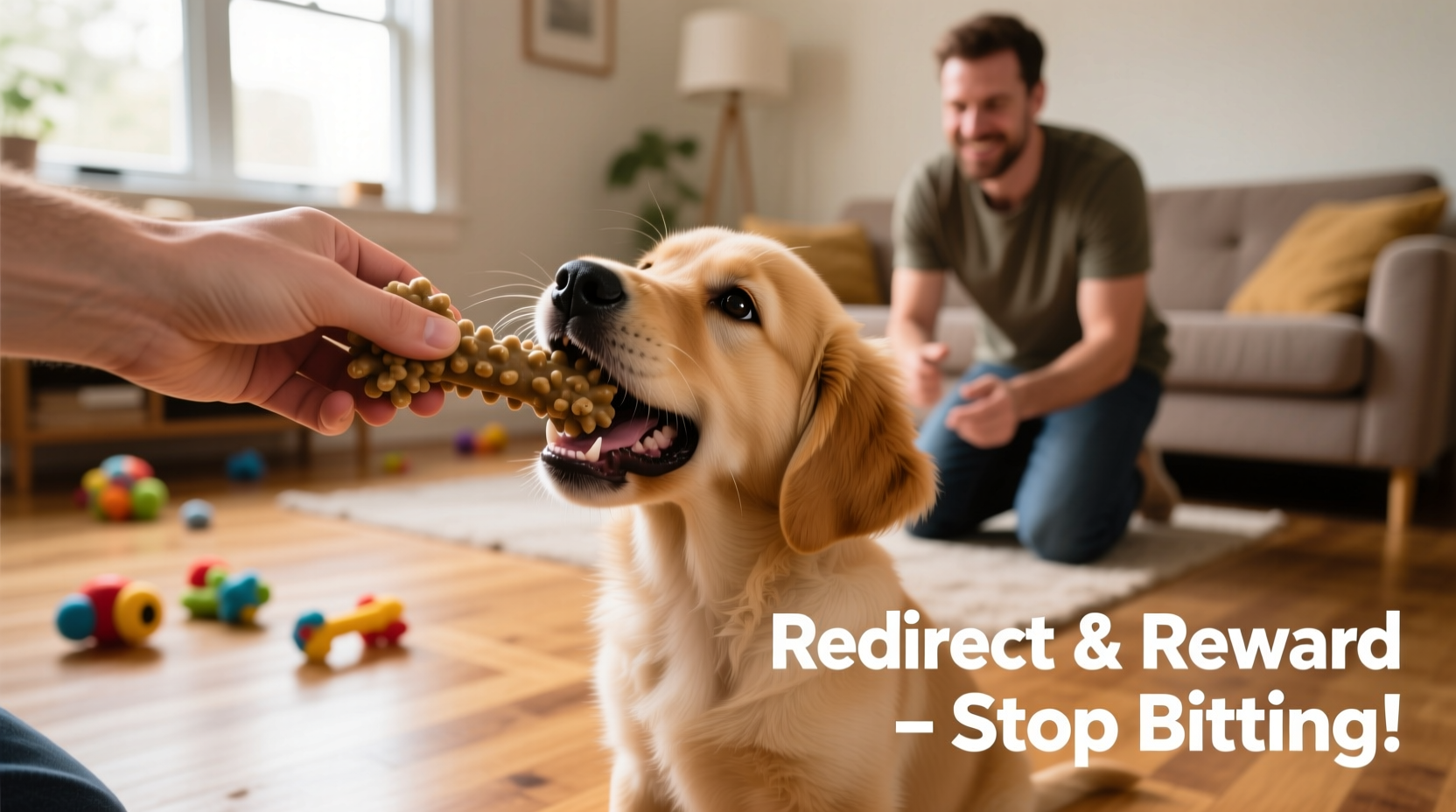
- Redirect to appropriate chew toys: Keep durable puppy chew toys nearby. As soon as biting begins, offer a toy. Praise enthusiastically when the puppy engages with it instead of your hand.
- End play sessions calmly: If your puppy becomes overstimulated, end the game before biting escalates. Use a phrase like “All done” and walk away, reinforcing that calm behavior leads to continued interaction.
- Practice bite inhibition exercises: Allow gentle mouthing during play, but react instantly when pressure increases. Repeat consistently so the puppy learns soft-mouth behavior.
- Incorporate structured training: Teach commands like “Leave it” and “Sit” to give your puppy mental stimulation and an alternative to biting.
Do’s and Don’ts of Puppy Biting Training
| Do | Don't |
|---|---|
| Use consistent verbal cues like “Ouch!” or “No bite.” | Punish or yell aggressively—this can increase fear or arousal. |
| Provide plenty of chew-safe toys (rubber, nylon, rope). | Wag fingers or tease with hands—this encourages biting. |
| Practice short, frequent training sessions (5–10 minutes). | Ignore repeated biting hoping the puppy will “grow out of it.” |
| Enroll in a puppy socialization class for peer learning. | Use physical corrections like scruff shakes or nose taps. |
| Reinforce calm behavior with treats and praise. | Allow rough play when you’re in a good mood but stop it when tired—consistency is key. |
Real Example: Turning Around a Persistent Biter
Sophia adopted a 12-week-old Australian Shepherd named Rio who loved to chase hands and chew pant legs during play. At first, she tried saying “No!” firmly, but Rio interpreted it as part of the game. After reading about bite inhibition, she changed her approach.
Every time Rio’s teeth touched her skin, Sophia squeaked “Ouch!” and stood still for 30 seconds. She kept a plush squirrel toy in each room and immediately offered it after the pause. Within two weeks, Rio began grabbing the toy instinctively when excited. By week five, he no longer targeted hands—even during high-energy moments.
The turning point came when Rio played with a vaccinated, well-socialized older dog. After a few too-hard nips, the older dog growled softly and walked away. That real-time feedback reinforced what Sophia had been teaching at home.
Tip: Supervised interactions with calm, well-mannered adult dogs can accelerate bite inhibition learning.Essential Tools and Environment Setup
Your puppy’s environment plays a major role in shaping behavior. A chaotic space with inconsistent rules makes training harder. Consider these setup strategies:
- Designate a play zone: Use baby gates or pens to create a confined area filled with approved toys and no tempting clothing or cords.
- Leash indoors during training: Attach a lightweight leash to guide your puppy without using your hands. If biting starts, gently redirect with the leash and offer a toy.
- Use taste deterrents: For persistent clothing biters, lightly spray pants or sleeves with bitter apple spray (pet-safe) to discourage chewing.
- Rotate enrichment items: Puzzle feeders, frozen Kongs, and treat-dispensing balls reduce oral fixation by satisfying mental and physical needs.
Remember: puppies have short attention spans. Training should feel like fun, not work. End sessions on a positive note—such as a successful “sit” or toy grab—to build confidence and cooperation.
Checklist: Daily Routine to Prevent Biting
Follow this checklist every day for at least four weeks to establish lasting habits:
- ✅ 5 minutes of structured obedience training (e.g., “Leave it,” “Sit,” “Touch”)
- ✅ 2–3 play sessions with designated chew toys (no hands involved)
- ✅ Immediate time-out (20–30 sec) when skin is touched by teeth
- ✅ Offer toy after each time-out or when mouthing begins
- ✅ Rotate at least two chew toys daily to maintain interest
- ✅ Avoid roughhousing or hand-chasing games
- ✅ Practice “calm greetings” when entering rooms (sit before petting)
“Prevention is better than correction. Manage the environment first, then shape behavior.” — Ian Dunbar, Veterinarian and Dog Trainer
Frequently Asked Questions
Is it normal for my 5-month-old puppy to still bite frequently?
Yes. Most puppies go through peak mouthing phases between 8 and 20 weeks, but teething and overexcitement can prolong biting until 6–7 months. Consistent training during this window is critical to prevent adult biting habits.
Should I let my puppy play with other dogs to learn bite inhibition?
Yes, supervised puppy playgroups are excellent for social learning—but only if the dogs are well-matched in size and temperament. Unchecked bullying or overly rough play can worsen biting. Choose structured classes with trained instructors who monitor interactions.
What if my puppy bites only one person in the household?
This usually indicates inconsistency in responses. The person being bitten may unintentionally reinforce the behavior by reacting inconsistently—sometimes playing, sometimes scolding. Everyone must follow the same rules: no hands as toys, immediate time-outs, and redirection to acceptable items.
Advanced Techniques for Stubborn Biters
If your puppy continues biting despite consistent training, consider these advanced methods:
- Engage in structured fetch or flirt pole games: Redirect energy into object-focused play rather than body contact. This satisfies prey drive without encouraging mouthiness.
- Teach “gentle” or “soft” command: Hold a treat in your closed palm. When the puppy sniffs or licks, say “Gentle” and open your hand. If they bite, close your hand and wait. Repeat until they touch softly.
- Use a head halter for indoor walks: Devices like the Gentle Leader help guide strong or excitable puppies without using hands near the mouth.
- Increase mental exercise: A tired mind is less likely to seek stimulation through biting. Incorporate food puzzles, scent games, and short training drills throughout the day.
For puppies showing signs of resource guarding, fear-based snapping, or unprovoked aggression, consult a certified veterinary behaviorist. These behaviors require professional assessment and should not be addressed with generic training advice.
Conclusion: Building a Bite-Free Relationship
Stopping puppy biting isn’t about suppressing natural behavior—it’s about guiding it appropriately. With patience, structure, and positive reinforcement, your puppy can learn that hands are for petting, not chewing, and that toys—not sleeves—are the best things to sink their teeth into.
The habits formed in the first six months lay the foundation for lifelong behavior. Every time you redirect a nip to a toy, enforce a time-out, or reward gentle play, you’re building trust and communication. This isn’t just training; it’s relationship-building.
💬 Have a puppy biting success story or challenge? Share your experience in the comments—your insights could help another pet parent navigate this rambunctious but temporary phase.








