Puppies explore the world with their mouths. Nipping, mouthing, and playful biting are natural behaviors for young dogs, especially during teething. However, what may seem cute at eight weeks can become problematic as your puppy grows stronger. The key is not to punish this instinctive behavior but to guide it gently into acceptable habits. Using forceful or fear-based corrections can damage the trust between you and your puppy, making long-term training more difficult. Instead, consistent, calm, and reward-based methods foster both obedience and emotional security. This guide outlines humane, proven strategies to help your puppy learn bite inhibition and appropriate play—all while deepening your connection.
Understanding Why Puppies Bite
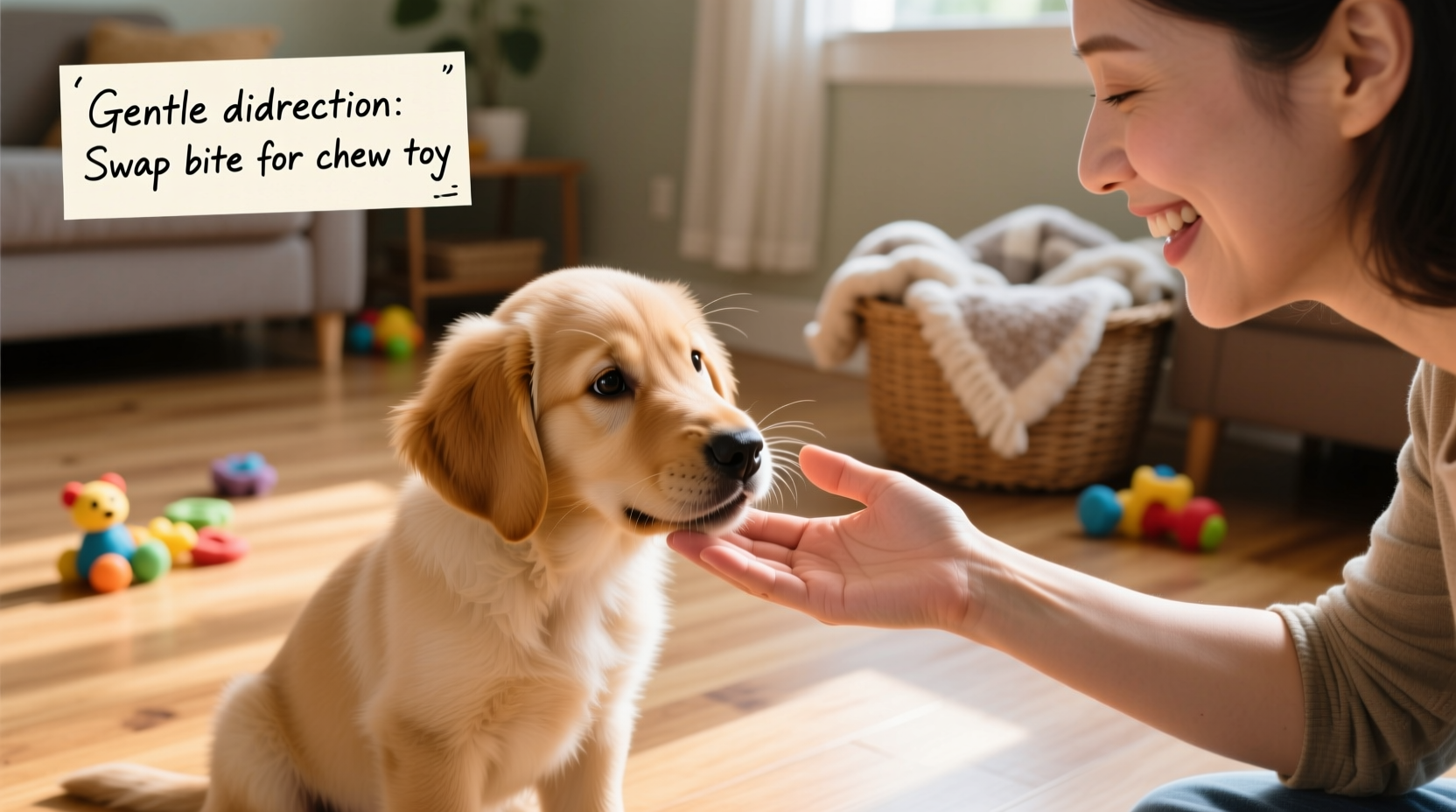
Biting in puppies isn’t aggression—it’s communication, exploration, and play. From birth, puppies use their mouths to interact with littermates and their environment. During play, they learn bite inhibition: how hard they can bite before another puppy yelps and stops playing. When a puppy joins your home, they haven’t yet learned that human skin is more sensitive than fur, nor do they understand social cues like vocalizing discomfort. Without proper guidance, this normal developmental phase can evolve into a persistent behavioral issue.
Additionally, teething begins around 3–4 months of age, causing discomfort that drives puppies to chew on anything within reach. Energy levels also peak during puppyhood, and without sufficient mental and physical stimulation, biting becomes an outlet for excess excitement.
Tip: Never respond to puppy biting with yelling or physical punishment—this can increase fear and confusion, undermining trust.Building Trust Through Gentle Training Principles
The foundation of successful puppy training lies in creating a safe, predictable environment where your puppy feels secure. Trust develops when your puppy learns that you respond consistently—not with anger, but with clear signals and positive outcomes. Gentle techniques focus on redirecting unwanted behavior rather than suppressing it through intimidation.
Positive reinforcement—rewarding desired behaviors with treats, praise, or play—is far more effective than punishment. Studies show that dogs trained with reward-based methods exhibit fewer stress-related behaviors and are more responsive to commands. When correcting biting, the goal is not to scare the puppy into submission, but to teach them what *to* do instead.
“Dogs don’t misbehave out of defiance—they act based on what has been reinforced. Redirect, don’t reprimand.” — Dr. Sophia Yin, Veterinary Behaviorist
A Step-by-Step Guide to Reducing Puppy Biting
Changing your puppy’s biting habit takes time, consistency, and daily practice. Follow this structured approach over several weeks to see lasting results.
- Recognize early signs of overstimulation. Lip licking, rapid panting, tense body posture, and intense staring often precede biting. End play sessions before these signals escalate.
- Use time-outs for inappropriate biting. When your puppy bites skin or clothing, immediately say “Ouch!” in a high-pitched tone (mimicking a hurt puppy), then stand up and walk away for 20–30 seconds. This removes attention, which is a powerful reinforcer.
- Redirect to appropriate chew toys. Keep durable chew items nearby. As soon as your puppy releases your hand or sleeve, offer a toy and praise them for taking it.
- Practice controlled hand feeding. Let your puppy sniff and lick your hand while offering small treats. If they nip, close your fist and wait. When they stop, reward with a treat from the other hand. This teaches gentle mouth manners.
- Engage in structured play. Use tug-of-war with rules: only pull when invited, release on cue (“drop it”), and end with a treat. This channels biting energy appropriately.
- End sessions positively. Always finish training moments with a calm activity like chewing a stuffed Kong or lying on a mat with praise.
Consistency across all family members is crucial. Everyone must follow the same rules—no exceptions for “just one little nibble.” Mixed messages confuse puppies and delay learning.
Do’s and Don’ts of Puppy Bite Training
| Do’s | Don’ts |
|---|---|
| Use high-value treats (like freeze-dried liver) to reinforce gentle behavior | Yell, slap, or hold your puppy’s mouth shut |
| Provide plenty of chew toys made for teething puppies | Use human hands or feet as play objects |
| Practice short, frequent training sessions (5 minutes, 3x/day) | Punish after the fact—puppies don’t connect delayed consequences |
| Enroll in a positive-reinforcement puppy class | Allow rough play that escalates into biting |
| Celebrate progress—even brief moments of gentle interaction | Assume the behavior will “grow out” without intervention |
Real Example: Turning Around Persistent Biting
Sophie, a first-time owner, adopted Luna, a 12-week-old Border Collie mix. Within days, she was frustrated by constant nipping during play and affection. Every time she bent down to pet Luna, the puppy would lunge at her sleeves. Sophie tried saying “No!” firmly and even squirted water once—but the biting continued, sometimes harder.
She consulted a certified dog trainer who recommended a trust-based protocol. Sophie began carrying soft rope toys in her pockets. Whenever Luna nipped, she said “Oops!” cheerfully, stepped back, waited five seconds, then offered the toy. If Luna took it, she got enthusiastic praise and a treat. She also started ending petting sessions before Luna became overexcited, teaching her to lie on a mat afterward with a frozen peanut butter-filled toy.
Within three weeks, Luna’s biting dropped by 80%. By four months, she no longer targeted hands or clothes. More importantly, Sophie noticed Luna looked to her for guidance during moments of excitement—a sign of growing trust.
Tip: Rotate chew toys weekly to maintain novelty and interest—boredom leads to inappropriate chewing.Essential Tools for Success
Gentle training works best when supported by the right tools. These items help redirect biting and satisfy your puppy’s natural needs:
- Frozen rubber toys: Stuff a Kong with wet food and freeze it. The cold soothes teething gums and keeps puppies occupied.
- Chew ropes or plush toys: Designed for tugging, these give an outlet for jaw strength.
- Treat pouch: Keeps rewards accessible during training sessions.
- Interactive puzzle toys: Stimulate mental focus, reducing impulsive biting from boredom.
- Training clicker (optional): Marks desired behavior precisely, speeding up learning.
Rotate toys every few days to prevent habituation. A fresh toy reintroduced after a week feels like a new discovery, increasing engagement.
Creating a Bite-Inhibition Checklist
Follow this checklist daily to ensure steady progress:
- ✅ Observe your puppy’s body language for signs of overarousal.
- ✅ Carry a chew toy whenever interacting closely (petting, playing).
- ✅ Respond to skin contact with a yelp and pause—never with anger.
- ✅ Immediately redirect biting to an appropriate object.
- ✅ Reward any moment of self-control (e.g., releasing a toy, pausing mid-bite).
- ✅ Schedule multiple short play and training sessions per day.
- ✅ Ensure your puppy gets enough physical exercise and mental stimulation.
- ✅ Involve all household members in consistent training practices.
Track progress weekly. Note reductions in frequency, intensity, or duration of biting episodes. Celebrate milestones—your puppy is learning a vital life skill.
When to Seek Professional Help
Most puppy biting diminishes significantly by 5–7 months with consistent training. However, if your puppy shows any of the following, consult a veterinary behaviorist or certified positive-reinforcement trainer:
- Biting with intense force, growling, or guarding space
- Targeting faces or eyes during play
- No improvement after six weeks of consistent effort
- Signs of fearfulness or avoidance when approached
Early intervention prevents minor issues from becoming ingrained behaviors. A professional can assess whether underlying anxiety, pain, or improper socialization contributes to the biting.
FAQ: Common Questions About Puppy Biting
Is it normal for my puppy to bite during teething?
Yes. Puppies begin losing baby teeth around 3–4 months, and the process continues until about 6–7 months. Chewing relieves gum pressure. Provide safe, textured chew toys and consider freezing damp washcloths for them to gnaw on.
Should I ever use a bitter spray on my hands or furniture?
Bitter sprays can be used on furniture or shoes, but avoid applying them to your skin. Puppies may associate the bad taste with your presence, damaging trust. Instead, focus on redirection and environmental management.
Will neutering/spaying reduce biting?
While spaying or neutering can influence some hormonally driven behaviors, it won’t directly stop playful or teething-related biting. Training and socialization remain the primary solutions.
Conclusion: Patience Builds Lasting Bonds
Teaching a puppy not to bite isn’t about dominance—it’s about guidance. Every time you respond with calm consistency, you’re showing your puppy how to navigate the human world safely and respectfully. Gentle techniques don’t just suppress unwanted behavior; they replace it with confidence, self-control, and mutual understanding. The moments you spend today redirecting a nip or celebrating a gentle touch are investments in a well-mannered, emotionally balanced adult dog.
Progress may feel slow, but each small victory matters. Your puppy isn’t giving you a hard time—they’re having a hard time learning. Meet them with patience, structure, and kindness, and you’ll build more than good behavior—you’ll build trust that lasts a lifetime.
💬 Have a success story or challenge with puppy biting? Share your experience in the comments—your journey could inspire another pet parent to keep going.








