Outdoor gatherings shouldn’t require choosing between human hospitality and pet wellbeing. Yet too many well-intentioned hosts unintentionally create environments where dogs overhear laughter but endure heat stress, dehydration, or exposure to toxic substances—especially near beverage stations. A truly inclusive party isn’t just “pets welcome” on the invite; it’s thoughtfully designed so every species present feels safe, hydrated, and socially engaged. This means reimagining drink service—not as an afterthought for pets, but as a dedicated, vet-aligned zone with its own logic, placement, and protocols. Drawing on input from veterinary behaviorists, certified canine nutritionists, and event planners who specialize in multi-species hospitality, this guide delivers actionable strategies grounded in animal physiology, behavioral science, and real-world logistics.
Why “Dog-Safe Drink Zones” Are Non-Negotiable (Not Just a Trend)
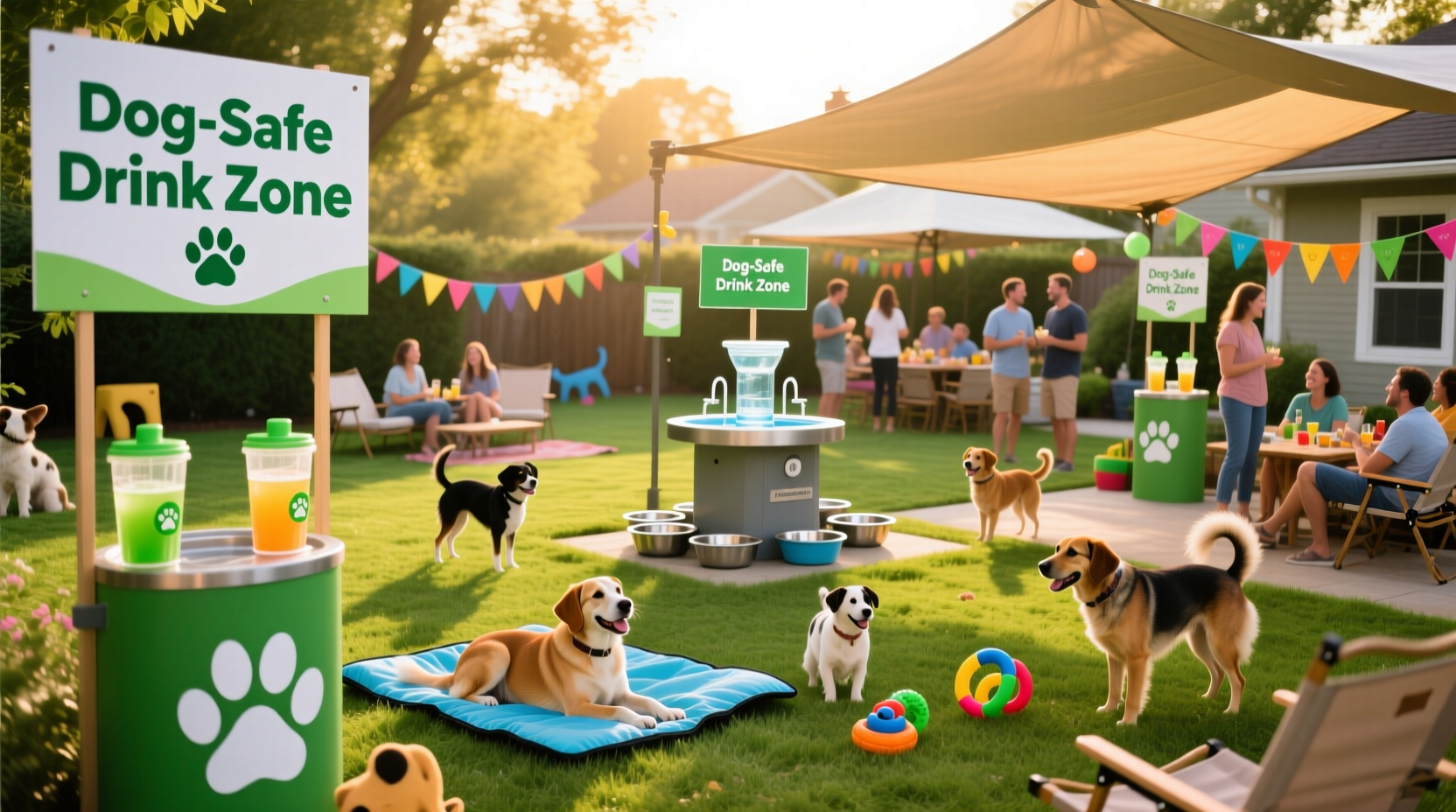
Most outdoor parties default to centralized beverage tables: coolers brimming with sodas, iced teas, lemonades, and alcoholic drinks—all within easy reach of curious paws and thirsty tongues. But common human beverages pose serious risks. Xylitol (in sugar-free sodas and gum), caffeine (in iced coffee and energy drinks), alcohol (even small sips), and high-sodium broths can trigger vomiting, seizures, kidney failure, or death in dogs. Heat exacerbates these dangers: a dog panting at 95°F (35°C) dehydrates faster and absorbs toxins more readily. Meanwhile, shared bowls become bacterial breeding grounds—Salmonella, E. coli, and Leptospira thrive in warm, stagnant water left in communal containers.
Veterinary epidemiologist Dr. Lena Torres explains: “We see a 40% spike in emergency visits for toxin ingestion and heat-related illness during summer weekends—many tied directly to backyard parties. The fix isn’t banning pets. It’s designing hydration infrastructure that meets their biological needs *first*.” That infrastructure starts with a dedicated drink zone—physically separated, clearly labeled, and maintained with the same rigor as your human bar.
Designing the Dog-Safe Drink Zone: Location, Layout & Logistics
Your dog-safe drink zone must be functional, not decorative. It’s not a single bowl on a picnic table—it’s a self-contained station with three critical components: location, equipment, and stewardship.
Tip: Place the dog drink zone in full shade, at least 10 feet from the main food/drink area—and never under trees treated with pesticides or near flowering plants like lilies, foxgloves, or azaleas.Location Criteria:
- Shade + airflow: Under a pergola, large umbrella, or mature deciduous tree (confirmed non-toxic). Avoid enclosed gazebos without cross-ventilation.
- Surface: Grass, packed gravel, or cool pavers—not hot concrete or asphalt, which can burn paw pads at surface temps above 125°F (52°C).
- Proximity: Within sightline of at least two responsible adults—but far enough from grilling stations to avoid grease splatter and smoke inhalation.
- Drainage: Slightly sloped ground or use of absorbent turf mats to prevent muddy puddles that attract mosquitoes and bacteria.
Equipment Essentials:
- Three-tiered hydration system: One shallow bowl for immediate sipping (stainless steel or ceramic, no plastic), one elevated bowl for senior or arthritic dogs, and one larger, shaded water trough (minimum 3 gallons) for group cooling and paw-dipping.
- Cooling aid: Submerge clean, frozen dog-safe fruit (e.g., blueberries, apple slices, seedless watermelon cubes) in the trough—not ice alone, which can cause gastric shock in overheated dogs.
- Sanitation protocol: All bowls cleaned and refilled every 90 minutes using pet-safe disinfectant (diluted white vinegar or veterinary-approved quaternary ammonium solution). No shared sponges—use disposable paper towels.
The Pet-Inclusive Party Timeline: From Planning to Cleanup
Success hinges on preparation—not improvisation. Follow this 72-hour timeline to embed pet safety into every phase:
- 72 hours before: Confirm guest pets’ vaccination records (rabies, bordetella, distemper) via digital form. Notify guests of your “no unvaccinated or reactive dogs” policy with empathy—not as a restriction, but as a commitment to collective safety.
- 48 hours before: Map your yard using painter’s tape: mark the dog drink zone, leash-posting perimeter (with 6+ sturdy posts or trees), quiet decompression area (tents with breathable mesh walls), and “no-pet” zones (grill, fire pit, cocktail bar).
- 24 hours before: Set up and test all dog drink equipment. Fill troughs and monitor temperature drop over 2 hours. Freeze 12–16 dog-safe fruit ice cubes. Print laminated signage: “Dog Hydration Station — Human Drinks Are Toxic” with icons (🚫🍺, 🚫☕, ✅💧).
- Day-of, 2 hours pre-guests: Chill stainless steel bowls in fridge (not freezer—condensation attracts flies). Place shade cloths over all dog zones. Stock first-aid kit: gauze, styptic powder, pet-safe sunscreen, and emergency contact list (vet, poison control, nearest 24-hr ER).
- During the party: Assign one “Hydration Steward”—a calm, observant guest tasked solely with monitoring the drink zone: refilling, cleaning, removing debris, and gently redirecting dogs away from human areas.
- Post-party: Soak all dog bowls in vinegar solution for 10 minutes, rinse thoroughly, and air-dry. Discard uneaten fruit. Sweep grassy zones to remove dropped food, bones, or string—common choking hazards.
Do’s and Don’ts: The Pet-Inclusive Beverage Matrix
What goes *in* the dog drink zone—and what absolutely stays out—is defined by science, not sentiment. This table reflects consensus guidelines from the ASPCA Animal Poison Control Center and the American College of Veterinary Nutrition.
| Category | Safe for Dogs | Unsafe / Toxic | Notes |
|---|---|---|---|
| Water Additives | Unsweetened coconut water (diluted 50/50), bone broth (low-sodium, no onion/garlic) | Sports drinks (high sodium & electrolytes), flavored waters with xylitol or citric acid | Coconut water provides potassium—but never exceed 1 oz per 10 lbs body weight per day. |
| Cooling Treats | Frozen plain yogurt cubes, blended pumpkin “pupsicles”, frozen green beans | Ice cream, popsicles with chocolate, nuts, or artificial sweeteners | Dairy tolerance varies—offer yogurt only if dog has no history of GI upset. |
| Human Beverages Near Dogs | None—keep all human drinks in designated, elevated, covered stations | Alcohol, coffee, tea, energy drinks, grape juice, anything with xylitol or macadamia nuts | Even spilled drops on grass are hazardous. Use spill-proof tumblers with lids and secure bases. |
Real-World Example: The Maple Street Backyard Revival
In Portland, Oregon, the Chen family hosts an annual “Bark & Brew” block party drawing 40+ humans and 22 dogs. After their first year—when two dogs required ER visits (one for ingesting spilled sangria, another for heat exhaustion near an uncovered cooler)—they redesigned with veterinary consultation. They installed a permanent dog drink zone beneath a cedar pergola: three stainless bowls on adjustable stands, a 5-gallon insulated trough with solar-powered circulation pump, and a “paw-wash station” with biodegradable wipes and towel rack. Signage uses universal icons and QR codes linking to a quick video on dog heatstroke symptoms. Guests receive wristbands color-coded by pet type (blue for dogs, green for cats, purple for “pet-free”)—reducing accidental mix-ups. Attendance rose 35% year-over-year, and zero medical incidents have occurred since 2022. As host Maya Chen notes: “People don’t come for the drinks. They come because they trust us with their companions—and that trust starts with water that’s clean, cool, and exclusively theirs.”
FAQ: Addressing Common Concerns
Can I use my existing outdoor fountain or birdbath as a dog water source?
No. Fountains often contain copper-based algaecides toxic to dogs, and birdbaths harbor avian pathogens like Chlamydia psittaci. Even “natural” water features may contain mosquito larvae or blue-green algae blooms, which cause rapid liver failure. Always use fresh, potable water in clean, dedicated vessels.
My dog is shy around other dogs—how do I keep them hydrated without forcing socialization?
Create a “quiet hydration nook”: a shaded corner with a low-profile ceramic bowl, placed beside a familiar blanket or crate. Position it along the outer edge of your yard, away from high-traffic paths. Encourage owners to bring collapsible travel bowls—personalized hydration reduces stress and contamination risk.
Is it okay to add electrolyte powder made for humans to my dog’s water?
Never. Human electrolyte mixes contain sodium levels up to 10x higher than canine physiological needs and often include xylitol or artificial dyes. If your dog is active or recovering from illness, consult your veterinarian about veterinary-formulated oral rehydration solutions—never improvise.
Conclusion: Where Hospitality Meets Responsibility
A pet-inclusive outdoor party isn’t about adding novelty—it’s about deepening connection through intentionality. When you design a dog-safe drink zone, you’re not installing a bowl. You’re affirming that every life present matters equally: that the wag of a tail deserves the same thoughtful infrastructure as the clink of a glass. You’re choosing prevention over panic, clarity over assumption, and care over convenience. This level of planning doesn’t diminish human joy—it amplifies it. Guests relax knowing their companions are safe. Dogs engage authentically instead of anxiously. And you, the host, embody a new standard of compassionate gathering—one where boundaries are clear, hydration is abundant, and inclusion is engineered, not assumed. Start small: pick one element—the shade placement, the triple-bowl system, the steward role—and implement it next time. Then build outward. Your yard, your guests, and their four-legged family members will feel the difference immediately.
💬 Share your pet-inclusive party win—or your toughest challenge—in the comments. Let’s build a community library of real-world solutions, vet-approved and neighbor-tested.








