Rabbits are naturally curious and instinct-driven animals. Their urge to dig is deeply rooted in their biology—wild rabbits dig burrows for shelter, nesting, and protection. When kept indoors, this behavior doesn’t disappear; instead, it often redirects toward household items, particularly houseplants. While it may seem harmless at first, unchecked digging can damage your plants, create messes, and even pose health risks if your rabbit ingests toxic soil or foliage.
The good news is that you don’t need harsh chemicals or physical punishment to curb this behavior. With a combination of environmental enrichment, natural deterrents, and gentle redirection, you can protect your indoor greenery while keeping your rabbit happy and mentally stimulated.
Understanding Why Rabbits Dig
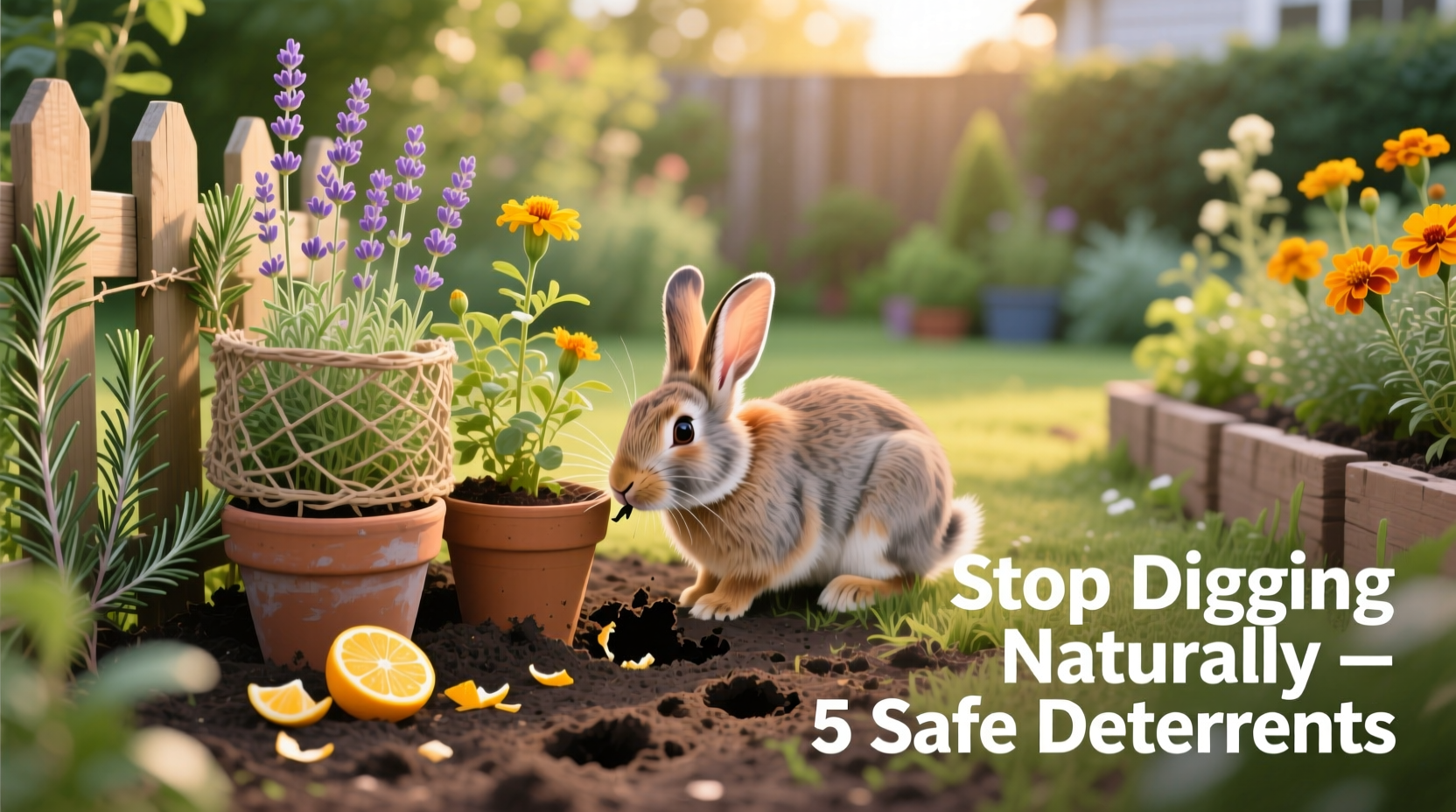
Digging isn’t misbehavior—it’s a natural expression of a rabbit’s instincts. In the wild, rabbits use their strong hind legs to excavate complex tunnel systems. Even domesticated rabbits retain this drive, especially when they feel bored, anxious, or unstimulated. Indoor environments that lack sufficient outlets for natural behaviors often lead to redirected activities like chewing furniture, knocking over objects, or digging in potted plants.
Houseplants may be particularly attractive because:
- The loose soil mimics the texture of dirt in the wild.
- Plants offer visual interest and potential snacks (even if not intended).
- Pots provide confined spaces that resemble burrow entrances.
- Lack of alternative digging options pushes rabbits to improvise.
“Digging is as natural to a rabbit as flying is to a bird. Suppressing the behavior without offering alternatives leads to stress and behavioral issues.” — Dr. Lydia Marston, Exotic Animal Behavior Specialist
Natural Deterrents That Work
Chemical repellents are not recommended for homes with pets. Instead, focus on non-toxic, sensory-based deterrents that make houseplants less appealing without harming your rabbit. These methods rely on smell, texture, and taste aversion.
Scent-Based Repellents
Rabbits have highly sensitive noses and will avoid areas with strong or unfamiliar scents. Use these natural aromas around plant pots:
- White vinegar spray: Mix equal parts water and white vinegar. Lightly mist the soil surface (avoiding direct contact with leaves). Reapply every few days or after watering.
- Citrus peels: Place lemon, orange, or grapefruit rinds on top of the soil. The sharp scent deters digging, and the peels decompose safely.
- Mint or lavender sprigs: Fresh or dried herbs placed around the pot add an aromatic barrier. Some rabbits also dislike the texture.
Texture Barriers
Alter the surface of the soil to make it less inviting for digging. Rabbits prefer soft, loose substrates—changing the texture disrupts the appeal.
- Decorative stones or pebbles: A layer of smooth river rocks on top of the soil prevents access while enhancing aesthetics.
- Mesh grids or chicken wire: Cut to fit the pot and lay just below the rim. It allows watering but blocks paw access.
- Wood chips or bark mulch: Use untreated, pet-safe varieties to create an uncomfortable digging surface.
Taste Deterrents (For Leaf Protection)
If your rabbit nibbles leaves in addition to digging, apply taste-based deterrents:
- Chili pepper spray: Mix 1 teaspoon cayenne pepper with 1 quart of water and a drop of mild dish soap. Spray lightly on leaves (test on one plant first).
- Bitter apple spray (natural version): Opt for organic, food-grade formulas without artificial additives.
Note: Avoid spraying directly on edible plants or those known to be toxic if ingested in larger quantities.
Step-by-Step Guide to Protecting Houseplants
Stopping plant destruction requires consistency and proactive planning. Follow this timeline to gradually reduce and eliminate unwanted digging behavior.
- Week 1: Assess and Isolate
Identify which plants are targeted and temporarily move them out of reach or behind barriers. Observe when and how your rabbit interacts with them. - Week 2: Introduce Deterrents
Apply scent and texture barriers to all vulnerable plants. Begin rotating citrus peels and vinegar sprays every 2–3 days. - Week 3: Provide Alternatives
Set up a designated digging box filled with shredded paper, hay, and soil-free potting mix. Place it near common rabbit zones. - Week 4: Reinforce Boundaries
Use verbal cues like “no dig” when catching your rabbit in the act. Immediately redirect to the digging box with a treat. - Ongoing: Monitor and Adjust
Replace deterrents as needed. Gradually reintroduce protected plants into open areas once behavior improves.
Creating a Rabbit-Safe Environment
The most effective long-term solution is not to punish digging but to redirect it appropriately. A mentally enriched environment reduces destructive behaviors significantly.
Digging Boxes: A Must-Have
A dedicated digging box satisfies your rabbit’s instincts in a controlled way. Use a sturdy cardboard container or plastic bin filled with:
- Shredded paper or non-toxic packing materials
- Timothy hay or oat hay
- Paper towel tubes stuffed with treats
- Small toys buried beneath the surface
Buried rewards encourage repeated use and positive association.
Plant Selection and Placement
Some houseplants are more resilient—or less tempting—than others. Consider these strategies:
- Elevate plants on shelves, hanging baskets, or wall-mounted planters.
- Choose species with tough leaves or strong odors, such as snake plants or rosemary.
- Avoid placing plants in high-traffic rabbit zones like corners where burrowing is likely.
| Plant Type | Rabbit Risk Level | Natural Deterrent Compatibility |
|---|---|---|
| Spider Plant | High (non-toxic but attractive) | Good (responds well to pebble cover) |
| Snake Plant (Sansevieria) | Low (tough leaves, mildly toxic) | Excellent (rarely targeted) |
| Pothos | High (toxic if eaten) | Fair (needs full cage or elevation) |
| Aloe Vera | Medium (bitter taste, toxic) | Good (deters chewing but not digging) |
| Peace Lily | High (very toxic) | Poor (must be fully inaccessible) |
Mini Case Study: Sarah’s Basil Problem
Sarah adopted a rescue rabbit named Thistle who quickly developed a habit of digging in her kitchen herb garden. Within days, two basil pots were overturned, and the mint plant was half-eaten. Concerned about both plant loss and Thistle’s safety, Sarah tried several approaches.
First, she moved the pots to a windowsill above counter height—but Thistle learned to jump. Next, she used commercial sprays, which caused sneezing. Finally, she consulted a rabbit behaviorist who suggested a three-pronged strategy:
- Create a digging box filled with crumpled newspaper and hidden parsley pieces.
- Top each herb pot with decorative river stones.
- Hang a small planter with catnip (safe for rabbits) nearby as a distraction.
Within two weeks, Thistle lost interest in the herbs and spent most of his digging time in the box. The stones remained undisturbed, and Sarah was able to enjoy fresh basil again—without compromising Thistle’s well-being.
Checklist: How to Rabbit-Proof Your Houseplants
Use this checklist to systematically address digging behavior:
- ✅ Identify all houseplants accessible to your rabbit
- ✅ Remove or secure toxic species immediately
- ✅ Apply natural deterrents (vinegar, citrus, pebbles)
- ✅ Install physical barriers (mesh, elevated stands)
- ✅ Introduce a digging box with engaging materials
- ✅ Supervise interactions and redirect gently
- ✅ Rotate deterrents weekly to maintain effectiveness
- ✅ Reward desired behavior with treats and praise
FAQ
Are there any houseplants that rabbits won’t dig in at all?
No plant is completely immune, but rabbits tend to avoid species with thick, waxy, or spiky leaves—like snake plants, ZZ plants, or succulents with sharp edges. However, the act of digging is separate from eating, so even unpalatable plants may be targeted for excavation. Physical barriers remain essential.
Can I train my rabbit not to dig entirely?
You cannot—and should not—eliminate digging altogether. It’s a core instinct. Instead, train your rabbit to dig in appropriate places by providing appealing alternatives and consistently redirecting unwanted behavior.
Is aluminum foil an effective deterrent?
Some owners report success using crinkled foil around plant bases due to the noise and texture. However, it’s not always safe (sharp edges, ingestion risk) and may startle sensitive rabbits. Safer options like pebbles or mesh are preferred.
Conclusion: Harmony Between Greenery and Bunnies
Living with a rabbit doesn’t mean sacrificing your indoor garden. By understanding your pet’s natural instincts and applying thoughtful, humane deterrents, you can protect your plants while supporting your rabbit’s mental health. The key lies in balance—redirecting energy rather than suppressing it, enriching the environment instead of restricting freedom.
Start today by setting up a digging box and evaluating your most vulnerable plants. Small changes compound into lasting results. With patience and consistency, you’ll create a home where both your rabbit and your houseplants can thrive side by side.
💬 Have a rabbit-friendly plant tip or success story? Share your experience in the comments and help fellow pet owners grow greener, happier homes!








