Rabbits are naturally curious and instinctively driven to chew. Their teeth grow continuously throughout their lives, requiring constant gnawing to prevent overgrowth and dental issues. While this behavior is normal, it becomes dangerous when your rabbit targets electrical cords. A single bite can lead to electrocution, fire hazards, or serious injury. Protecting both your pet and your home means addressing this issue proactively and humanely. The solution isn’t just about punishment or restriction—it’s about understanding rabbit behavior and creating a safe, enriched environment that redirects their chewing instincts away from danger.
Why Rabbits Chew on Electrical Cords
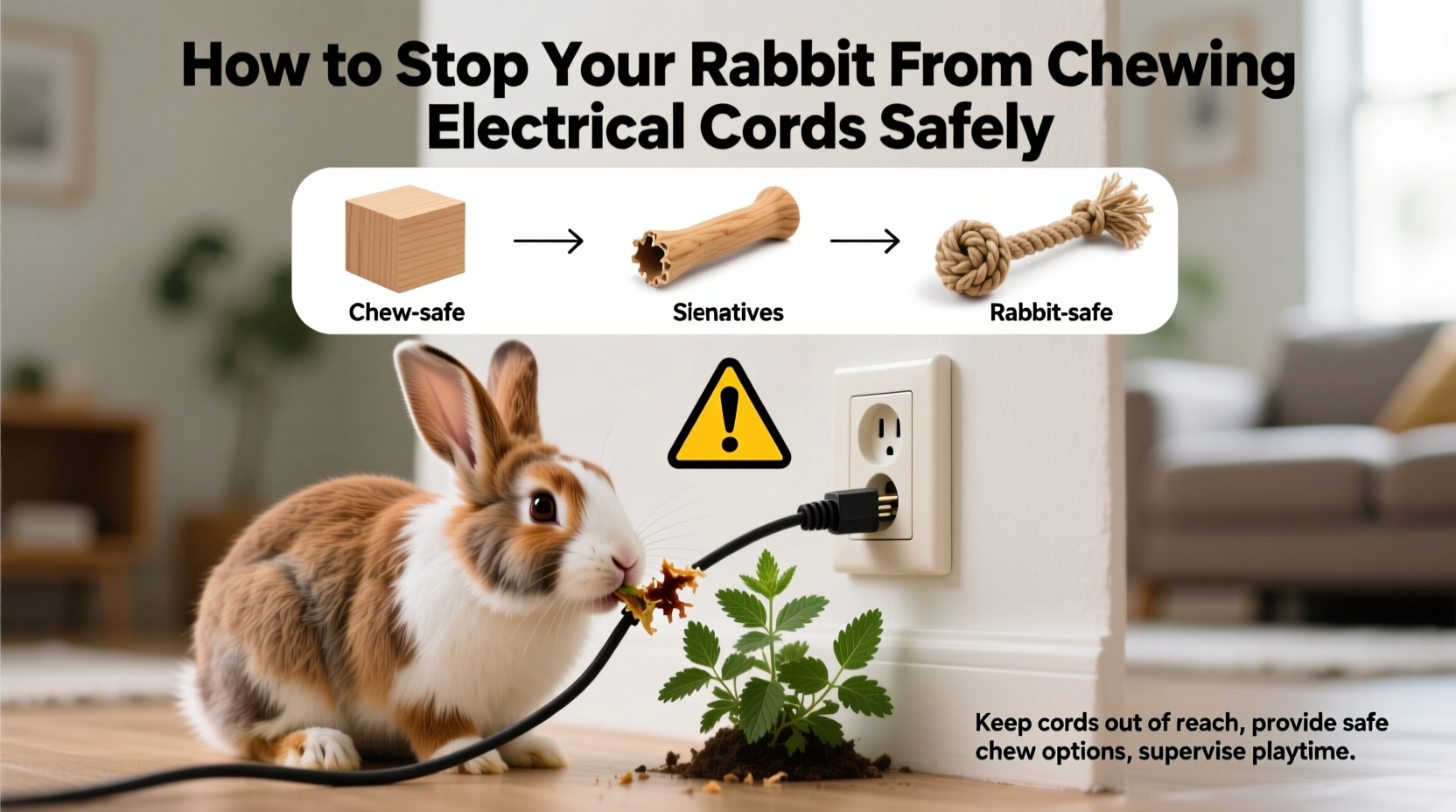
Rabbits chew for several biological and environmental reasons. First, their incisors grow at a rate of 2–3 mm per week. Without consistent wear, overgrown teeth can cause pain, difficulty eating, and even abscesses. Chewing hard materials helps maintain proper tooth length and jaw health. Second, rabbits explore the world through their mouths. New textures, smells, and shapes invite investigation—electrical cords, often running along baseboards or under furniture, resemble vines or roots in nature, making them tempting targets.
In addition, boredom or lack of stimulation increases destructive chewing. A rabbit without sufficient hay, toys, or space may resort to inappropriate items out of frustration. Stress from changes in routine, loud environments, or inadequate hiding spots can also trigger compulsive behaviors, including cord chewing.
Tip: Always provide unlimited access to grass hay—this satisfies natural chewing urges and supports digestive and dental health.Immediate Safety Measures to Protect Your Rabbit
The first step in preventing harm is removing access to electrical cords. This doesn’t mean reprimanding your rabbit after the fact—it means designing a living space where dangers are physically inaccessible.
- Use cord protectors: Spiral cable wraps, braided sleeves, or rigid plastic conduit tubes can shield cords from teeth. These are widely available at hardware stores or online.
- Elevate or conceal cords: Route cables behind furniture, up walls using clips, or inside PVC pipes anchored securely out of reach.
- Unplug when not in use: If a device isn’t actively needed, unplug it. This eliminates temptation and reduces fire risk.
- Use cord deterrent sprays: Bitter-tasting sprays made for pets (like bitter apple or citrus-based formulas) can discourage chewing. Test on a small area first to ensure no residue harms your rabbit if licked.
- Limit free-roam time until safe: Until all cords are secured, restrict your rabbit’s access to rooms with exposed wiring. Use baby gates or exercise pens to define safe zones.
Remember, covering a cord doesn’t make it rabbit-proof if the covering itself can be chewed through. Hard plastic tubing is more effective than soft spiral wraps, which some determined rabbits can still penetrate.
Step-by-Step Guide to Rabbit-Proofing Your Home
Creating a truly rabbit-safe environment requires a systematic approach. Follow this timeline to minimize risks and encourage healthy chewing habits.
- Day 1: Conduct a full hazard assessment
Get down to your rabbit’s eye level and crawl through each room they access. Look for exposed cords, dangling wires, or outlets near the floor. Note every potential risk. - Day 2: Install physical barriers
Use cord covers, raceways, or conduit to encase all necessary wiring. Secure loose cords with zip ties or Velcro straps to prevent snagging. - Day 3: Set up a designated rabbit zone
Create a contained area with non-toxic flooring, safe furniture, and plenty of enrichment. Include a litter box, hay rack, water bottle, and chew toys. - Day 4: Introduce alternative chew options
Place untreated wood blocks, cardboard tubes, seagrass mats, and willow balls within easy reach. Rotate toys weekly to maintain interest. - Day 5–7: Supervise and redirect
Allow controlled exploration while closely monitoring behavior. If your rabbit approaches a cord, gently interrupt and offer a chew toy instead. Praise immediately when they choose the correct item. - Ongoing: Daily inspection and maintenance
Check cord covers for damage, replace worn toys, and reinforce boundaries consistently.
Safe Alternatives to Discourage Destructive Chewing
The most effective way to stop unwanted chewing is to provide appealing, safer alternatives. Rabbits don’t chew out of malice—they chew because they need to. Meeting that need appropriately reduces the desire to seek out forbidden items.
- Grass hay: Timothy, orchard, or meadow hay should make up 80–90% of a rabbit’s diet. Constant access encourages healthy chewing and digestion.
- Untreated wooden chews: Apple, willow, or aspen sticks are safe and satisfying. Avoid cedar, pine, or any chemically treated wood.
- Cardboard: Plain cardboard boxes (ink-free) are excellent for digging and gnawing. Remove tape and labels before offering.
- Paper-based toys: Shredded paper rolls or compressed paper blocks give texture variety without risk.
- Woven grass products: Seagrass baskets or mats provide durable, fibrous material ideal for grinding teeth.
Rotate chewables weekly to prevent habituation. A new cardboard tunnel or willow ball can renew interest in appropriate items and reduce novelty-seeking behavior toward cords.
“Prevention is always better than treatment when it comes to rabbit dental and safety issues. Providing the right materials early shapes lifelong habits.” — Dr. Lena Torres, Exotic Veterinarian, DVM
Do’s and Don’ts When Addressing Cord Chewing
| Do’s | Don’ts |
|---|---|
| Provide unlimited grass hay daily | Leave cords exposed, even briefly |
| Use hard plastic conduit for cord protection | Use soft plastic or fabric wraps alone—they’re chewable |
| Offer a variety of safe chew toys | Scold or punish your rabbit—they don’t connect actions to consequences like humans do |
| Supervise during free-roam time | Assume your rabbit will “learn” not to chew cords without guidance |
| Apply pet-safe bitter sprays to cord covers | Use human repellents like hot sauce or essential oils—these can be toxic |
Real Example: How One Owner Prevented a Disaster
Sarah, a first-time rabbit owner in Portland, noticed her 6-month-old dwarf rabbit, Clover, had begun gnawing at the power strip behind the couch. At first, she thought it was cute—until she found frayed insulation and a partially exposed wire. Alarmed, she unplugged everything and confined Clover to a spare bathroom while researching solutions.
She installed rigid plastic conduit along the baseboard, rerouted her TV cables through a wall-mounted raceway, and replaced soft spiral wraps with metal mesh sleeves. She also set up a dedicated playpen with a hay-filled tunnel, wooden chew sticks, and a cardboard castle. Whenever Clover showed interest in the cord area, Sarah redirected her with a willow ball and offered praise when she chewed appropriately.
Within two weeks, Clover stopped investigating the cords entirely. Now, she spends hours shredding cardboard and crunching hay. Sarah says, “I realized it wasn’t defiance—it was instinct. Once I gave her better options, she didn’t need the cords anymore.”
Checklist: Rabbit-Proofing Your Space
Use this checklist to ensure your home is safe and supportive:
- ✅ Inspect all rooms for exposed or dangling electrical cords
- ✅ Cover cords with rigid plastic conduit or metal sleeves
- ✅ Unplug devices not in regular use
- ✅ Elevate or route cords out of reach using clips or raceways
- ✅ Provide unlimited grass hay in multiple locations
- ✅ Offer at least three types of safe chew toys (wood, cardboard, grass)
- ✅ Rotate chew toys weekly to maintain interest
- ✅ Apply pet-safe bitter spray to cord covers (optional)
- ✅ Supervise during free-roam time until behavior is consistent
- ✅ Perform weekly checks for damaged cord covers or worn toys
Frequently Asked Questions
Can a rabbit die from chewing an electrical cord?
Yes. Chewing live wires can result in electrocution, which may cause severe burns, cardiac arrest, or death. Even low-voltage cords pose risks due to internal injuries that aren’t immediately visible. Always treat exposed wiring as a life-threatening hazard.
Are bitter sprays safe for rabbits?
Only if specifically labeled as safe for small animals or rabbits. Avoid products containing strong essential oils, alcohol, or artificial sweeteners like xylitol, which are toxic. Test a small amount first and monitor for any signs of irritation or avoidance of the entire area.
Will my rabbit ever stop wanting to chew?
No—chewing is a lifelong necessity for rabbits due to their ever-growing teeth. Instead of trying to stop the behavior, focus on directing it toward safe, appropriate materials. With proper care, your rabbit can chew happily and safely for years.
Conclusion: A Safe Home Is a Happy Home
Stopping your rabbit from chewing electrical cords isn’t about training obedience—it’s about empathy and preparation. By understanding the biological need behind the behavior and responding with thoughtful solutions, you create an environment where your rabbit thrives without risk. Prevention, enrichment, and consistency are the pillars of success. Every cord covered, every hay-filled toy offered, and every moment of supervision builds a safer, more fulfilling life for your pet.
💬 Have a rabbit-proofing tip that worked for you? Share your experience in the comments and help other rabbit owners keep their furry friends safe and healthy.








