
Dogs are curious creatures, and while many of their quirks are endearing, coprophagia—the act of eating feces—is one behavior that unsettles most pet owners. Whether it’s their own waste or that of other animals, this habit poses hygiene risks, potential parasite transmission, and social discomfort during walks or visits. The good news is that you don’t need harsh chemicals or extreme measures to break this cycle. Veterinarians increasingly support the use of natural, science-backed deterrents that address both the instinctual and nutritional roots of the behavior. This guide outlines effective, vet-approved strategies that prioritize your dog’s health while eliminating stool consumption safely and humanely.
Understanding Why Dogs Eat Poop
Coprophagia may seem bizarre, but it’s more common than many realize. Puppies often explore the world through their mouths, and some grow out of the habit naturally. However, when adult dogs continue to eat feces, it may signal underlying issues. Common reasons include:
- Nutritional deficiencies: Poorly digested food or enzyme shortages can leave nutrients in the stool, making it appealing.
- Instinctual behavior: Mother dogs clean their puppies by consuming their waste—a survival mechanism in the wild.
- Boredom or anxiety: Dogs left alone for long periods may develop compulsive behaviors, including stool eating.
- Attention-seeking: Some dogs learn that this behavior elicits a reaction, even if it's negative.
- Medical conditions: Intestinal parasites, diabetes, Cushing’s disease, or malabsorption disorders can increase appetite and alter eating habits.
Before implementing any deterrent, rule out medical causes with a veterinarian. Blood work, fecal exams, and dietary assessments can identify hidden health issues contributing to the behavior.
Tip: Always consult your vet before assuming behavioral causes—some medical conditions mimic poor training.Natural Deterrents Backed by Veterinary Science
Once medical concerns are ruled out, natural deterrents offer a safe, non-invasive way to discourage coprophagia. These methods focus on altering the taste of feces or addressing root causes like diet and mental stimulation. Below are the most effective, vet-supported options:
1. Dietary Adjustments and Digestive Enzymes
Many cases of coprophagia stem from incomplete digestion. If nutrients remain in the stool, dogs may instinctively consume it to reclaim what their body missed. Adding fresh, whole foods or digestive enzymes can improve nutrient absorption.
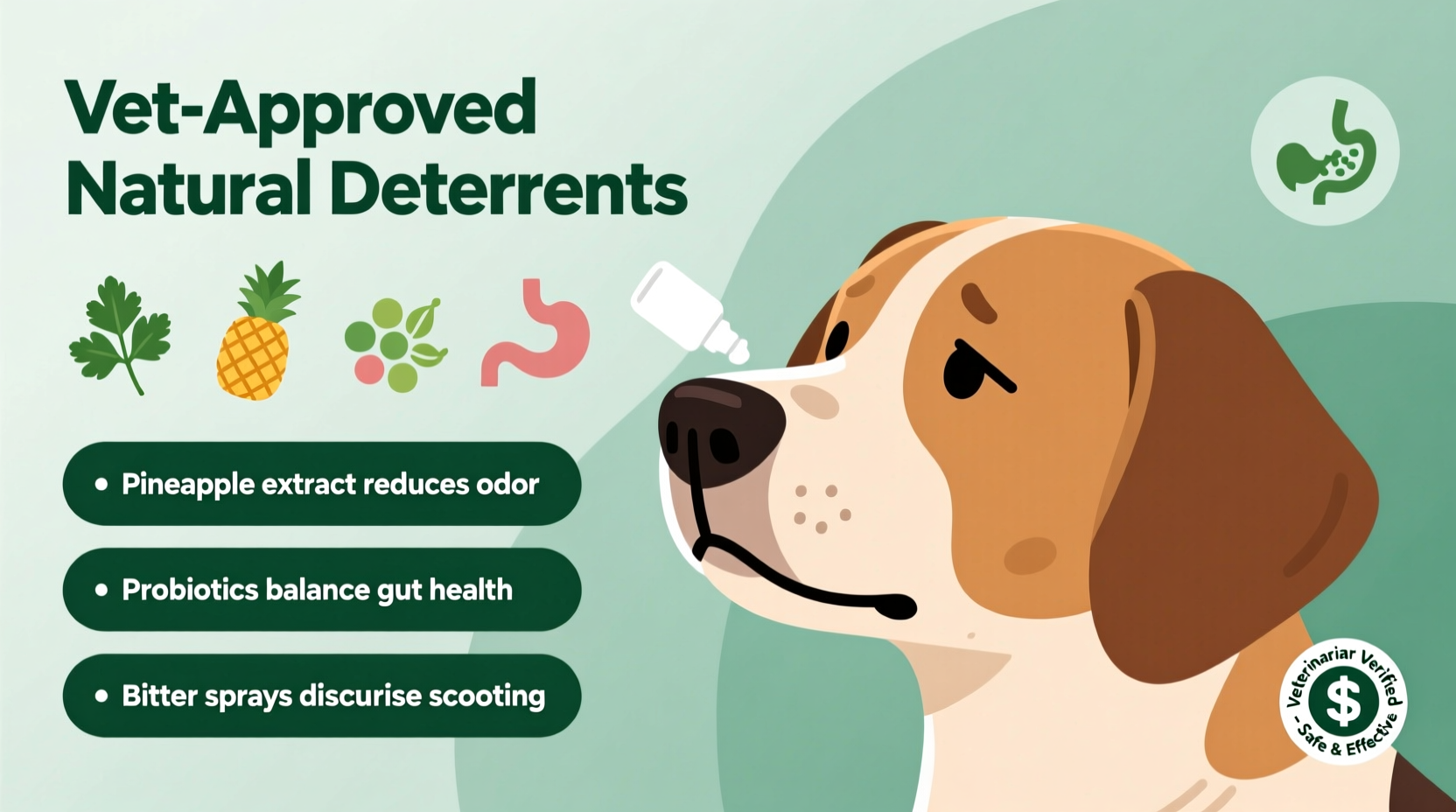
Pineapple and pumpkin are two widely recommended natural additives. Pineapple contains bromelain, an enzyme believed to alter the taste of feces, making it less palatable. While no large-scale studies confirm this effect, anecdotal evidence from veterinarians and pet owners is strong.
Pumpkin, rich in fiber, supports gut health and regulates digestion. A teaspoon of plain canned pumpkin (not pie filling) daily can firm up stools and reduce appeal.
“Improving diet quality often resolves coprophagia without additional interventions. Whole foods and enzyme supplements make a measurable difference.” — Dr. Laura Bennett, DVM, Integrative Canine Nutrition Specialist
2. Coating Stool with Bitter Substances
Bitter-tasting sprays made from natural ingredients can deter dogs from eating waste. Look for products containing yucca extract, garlic (in safe doses), or chamomile—ingredients known to be unappealing to dogs but safe in moderation.
Some owners use diluted apple cider vinegar (one part vinegar to three parts water) sprayed lightly over outdoor waste areas. While not directly applied to the dog, it alters the scent and taste of feces, discouraging consumption.
Tip: Never use essential oils or undiluted vinegar near pets—these can be toxic or irritate sensitive paws and noses.3. Probiotics and Gut Health Support
A balanced gut microbiome improves digestion and reduces cravings for non-food items. High-quality canine probiotics help maintain healthy intestinal flora, which in turn minimizes undigested nutrients in feces.
Choose probiotic supplements formulated specifically for dogs, containing strains like Lactobacillus acidophilus and Bifidobacterium animalis. These support immune function and nutrient absorption, indirectly reducing the incentive to eat stool.
Step-by-Step Plan to Eliminate Coprophagia
Stopping poop-eating requires consistency, observation, and a multi-pronged approach. Follow this timeline to effectively implement natural deterrents:
- Week 1: Veterinary Check-Up
Schedule a wellness exam. Request a fecal float test and blood panel to rule out parasites or metabolic disorders. - Week 2: Improve Diet
Switch to a high-digestibility diet or add pumpkin (1 tsp per 10 lbs of body weight) and pineapple chunks (1–2 small pieces daily) to meals. - Week 3: Introduce Probiotics
Begin a vet-recommended probiotic. Monitor stool consistency and energy levels. - Week 4: Apply Taste Deterrents
Use a commercial bitter spray designed for dogs on toys and surfaces where waste might be present. For outdoor areas, lightly mist diluted apple cider vinegar around elimination zones. - Weeks 5–8: Environmental Management & Training
Clean up waste immediately after your dog eliminates. Use a leash during yard time to redirect attention. Reward with treats when your dog ignores feces. - Ongoing: Monitor and Reinforce
Continue preventive measures for at least 60 days. Most dogs break the habit within two months with consistent intervention.
Do’s and Don’ts of Natural Coprophagia Prevention
| Do’s | Don’ts |
|---|---|
| ✔ Add pumpkin or pineapple to meals | ✖ Use hot sauce or chili powder as deterrents (can cause gastrointestinal upset) |
| ✔ Pick up waste immediately | ✖ Scold or punish your dog after the fact (this increases anxiety and doesn’t teach alternatives) |
| ✔ Provide mental stimulation with puzzle toys | ✖ Assume the behavior will disappear on its own without intervention |
| ✔ Use vet-approved probiotics | ✖ Over-supplement with human-grade enzymes without veterinary guidance |
| ✔ Train “leave it” and “come” commands | ✖ Allow unsupervised access to litter boxes or chicken coops |
Real-Life Success: How Max the Beagle Stopped Eating Rabbit Droppings
Max, a 3-year-old Beagle from Colorado, had a persistent habit of eating rabbit pellets in his backyard. His owner, Sarah, tried yelling and leashing him outside, but the behavior continued. After consulting her veterinarian, she learned Max was mildly deficient in B vitamins and had low stomach acid, impairing digestion.
The vet recommended adding 1 tablespoon of plain pumpkin and a canine probiotic to his morning meal. She also began spraying a natural bitter deterrent (containing chamomile and yucca) on the fence line where rabbits frequented. Within three weeks, Max showed zero interest in the droppings. By week six, the habit had vanished entirely.
Sarah credits the success to consistency: “I cleaned every day, rewarded him with a treat when he walked away from the pile, and stuck to the supplement routine. It wasn’t magic—it was patience and science.”
Essential Checklist for Pet Owners
Use this checklist to systematically address and eliminate coprophagia:
- ☑ Schedule a vet visit to rule out medical causes
- ☑ Test feces for parasites
- ☑ Upgrade to a highly digestible, species-appropriate diet
- ☑ Add 1 tsp–1 tbsp of plain pumpkin daily (based on size)
- ☑ Introduce a vet-approved canine probiotic
- ☑ Mix small amounts of fresh pineapple into meals
- ☑ Install a bitter-taste deterrent in high-risk areas
- ☑ Clean up waste within seconds of elimination
- ☑ Train basic obedience cues like “leave it” and “come”
- ☑ Increase daily mental and physical exercise
Frequently Asked Questions
Is eating poop dangerous for dogs?
Yes. Consuming feces—especially from other animals—can expose dogs to parasites like roundworms, giardia, and coccidia. It may also lead to bacterial infections such as salmonella or E. coli. Even eating their own waste introduces bacteria back into the digestive system, potentially causing gastrointestinal upset.
Can I use meat tenderizer to stop my dog from eating poop?
Some pet owners use meat tenderizer containing papain (from papaya) to alter stool taste. While generally safe in small amounts, it’s not vet-formulated for dogs. Commercial natural deterrents are safer and more reliable. Avoid products with added salt, spices, or MSG.
How long does it take to stop coprophagia naturally?
Most dogs show improvement within 3–4 weeks when combining dietary changes, environmental management, and training. Full resolution typically takes 6–8 weeks. Consistency is critical—any lapse in cleanup or supplementation can reinforce the habit.
Final Thoughts and Call to Action
Stopping your dog from eating poop doesn’t require punishment or synthetic chemicals. With a thoughtful, natural approach grounded in veterinary insight, you can address the root causes and create lasting change. Start with a health check, optimize nutrition, support gut health, and manage the environment proactively. Combine these steps with positive reinforcement, and you’ll give your dog the best chance to break free from this unpleasant habit.
Every dog is different—what works for one may need adjustment for another. Stay patient, track progress, and celebrate small victories. Your efforts today build a healthier, happier relationship tomorrow.
💬 Have a success story or tip that helped your dog stop eating poop? Share your experience in the comments below—your insight could help another pet owner find relief!








