Dogs have a reputation for doing things that make their owners cringe—and coprophagia, the act of eating feces, is near the top of that list. While it's more common than many realize, especially in puppies, it's not something you should ignore. Beyond being unpleasant, this behavior can lead to health risks like parasites, bacterial infections, and gastrointestinal upset. The good news? You don’t need medication or aversion sprays to address it. With consistent, natural strategies rooted in canine psychology, diet, and environment, you can help your dog break this habit for good.
Why Dogs Eat Poop: Understanding the Root Causes
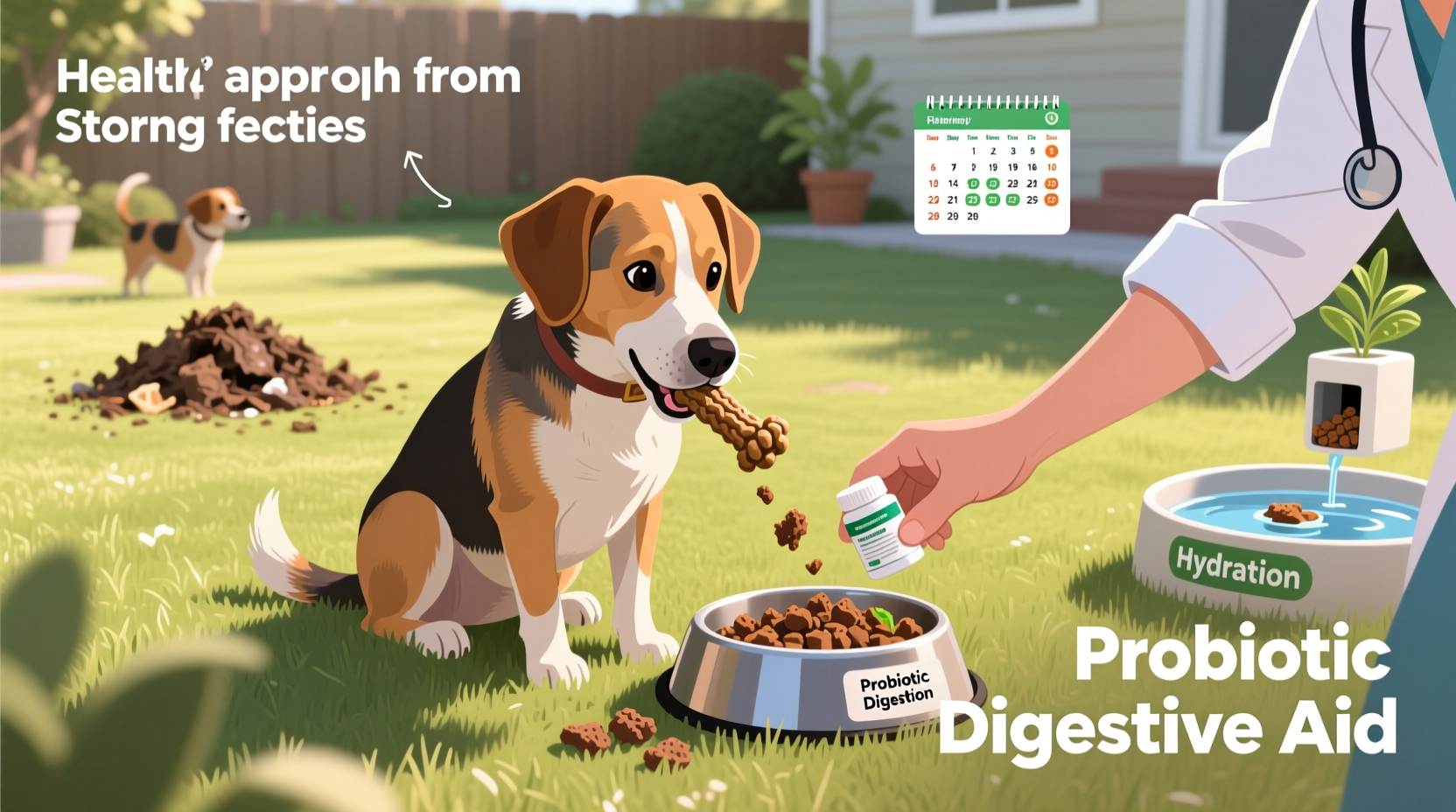
Before tackling solutions, it’s essential to understand why dogs engage in this behavior. Coprophagia isn't always about poor training or bad habits—it can stem from biological, psychological, and environmental factors.
- Nutritional Deficiencies: If a dog isn’t absorbing nutrients properly or is on a low-quality diet, they may seek out feces as a source of undigested food particles.
- Instinctual Behavior: Mother dogs often clean their puppies by consuming their waste—a natural instinct to keep the den clean and avoid attracting predators.
- Boredom or Anxiety: Dogs left alone for long periods or lacking mental stimulation may turn to poop-eating out of boredom or stress.
- Attention-Seeking: Even negative attention can reinforce the behavior if the dog learns it gets a reaction.
- Medical Conditions: Issues like diabetes, Cushing’s disease, enzyme deficiencies, or intestinal parasites can increase appetite and trigger coprophagia.
Addressing the root cause is critical. A dog eating poop due to anxiety requires different handling than one doing so because of a nutrient-deficient diet.
Tip: Always rule out medical causes first. Schedule a vet check-up with a fecal exam before assuming behavioral reasons.Natural Dietary Adjustments That Work
Diet plays a pivotal role in whether a dog finds feces appealing. Poorly digested food leaves behind nutrients in the stool, making it smell and taste like food to a dog. Transitioning to a high-quality, species-appropriate diet can significantly reduce or eliminate the urge.
Consider these dietary changes:
- Switch to a highly digestible, whole-food diet: Look for named meat sources (e.g., “chicken,” not “meat meal”) and minimal fillers like corn or soy.
- Add digestive enzymes: Supplements containing protease, amylase, and lipase improve nutrient absorption, leaving less undigested matter in the stool.
- Incorporate fresh foods: Adding small amounts of steamed vegetables or plain pumpkin (not pie filling) can boost fiber and support gut health.
- Try meat tenderizer (papain-based): Some owners report success using a sprinkle of meat tenderizer (like Adolph’s) on meals. It makes the poop taste bitter without harming the dog.
“Improving digestion through diet often resolves coprophagia faster than behavioral interventions alone.” — Dr. Karen Becker, Integrative Veterinarian
The Role of Probiotics and Fiber
A balanced gut microbiome supports overall health and reduces cravings for non-food items. Probiotic supplements designed for dogs can stabilize digestion and reduce stool appeal. Similarly, fiber helps regulate bowel movements and improves satiety, reducing scavenging behavior.
| Natural Supplement | How It Helps | Recommended Dosage (for 50lb dog) |
|---|---|---|
| Pumpkin (canned, plain) | High in fiber; supports healthy digestion | 1–2 tablespoons per meal |
| Probiotics (e.g., FortiFlora) | Restores gut flora; reduces irregular stools | 1 capsule daily |
| Digestive Enzymes | Increases nutrient absorption | Follow label instructions |
| Pineapple chunks (fresh) | Bromelain enzyme may alter stool taste | 2–3 small pieces with dinner |
Behavioral Training Without Force
Training is one of the most effective natural methods for stopping poop-eating, especially when started early. The key is consistency and positive reinforcement—not punishment.
Step-by-Step Guide: Teaching “Leave It” and “Come”
- Start indoors with distractions: Use treats and practice “leave it” with low-value items like kibble on the floor.
- Use a leash during outdoor walks: This gives you control to redirect your dog before they reach feces.
- Introduce the cue “leave it” just before they approach waste: Say it clearly, then gently guide them away with the leash.
- Reward immediately for compliance: Offer a high-value treat or toy when they obey.
- Practice “come” on recall: Call your dog away from waste with enthusiasm and reward generously.
- Gradually increase difficulty: Move to areas with more distractions once they respond reliably.
Consistency over weeks builds lasting habits. Avoid yelling or jerking the leash—this can create fear or increase fixation on the waste.
Environmental Management
You can’t train every moment, so managing access is crucial. Pick up waste immediately after your dog defecates, ideally within seconds. In backyard settings, establish a routine cleanup schedule—at least twice daily.
- Use a pooper scooper after every potty break.
- Train your dog to go in a specific zone where you can monitor and clean easily.
- If other pets’ waste is the issue, clean litter boxes and dog runs daily.
“I had a Labrador who ate cat poop from the litter box. Once we moved the box behind a baby gate he couldn’t access, the behavior stopped in three days.” — Sarah M., Dog Owner & Trainer
Real Example: Turning Around a Persistent Habit
Max, a two-year-old Beagle, had been eating his own feces since puppyhood. His owner, Jen, tried bitter sprays and scolding, but nothing worked. After consulting her vet, she learned Max had mild pancreatic insufficiency, which was impairing digestion.
The solution came in layers:
- His vet prescribed a digestive enzyme supplement mixed into each meal.
- Jen switched him to a grain-free, high-protein kibble with added probiotics.
- She began practicing “leave it” every time Max approached waste, rewarding him with freeze-dried liver treats.
- She cleaned the yard religiously and walked Max on a leash in new areas to avoid temptation.
Within six weeks, Max stopped eating poop entirely. Now, nine months later, the habit hasn’t returned. The combination of medical support, diet, and training made all the difference.
Common Mistakes That Make It Worse
Well-meaning owners sometimes accidentally reinforce the very behavior they’re trying to stop. Avoid these pitfalls:
| Mistake | Why It’s Harmful | Better Alternative |
|---|---|---|
| Yelling or chasing the dog | Turns poop-chasing into a game | Calmly call “come” and reward |
| Using chemical deterrents | Can irritate mouth or stomach; doesn’t address root cause | Use natural taste aversion (e.g., pineapple) |
| Ignoring medical screening | Misses treatable conditions | Vet visit + fecal test |
| Inconsistent cleanup | Allows repeated reinforcement | Immediate waste removal |
Checklist: Natural Steps to Stop Poop-Eating
Follow this actionable checklist to address coprophagia holistically:
- ✅ Schedule a veterinary exam to rule out medical issues.
- ✅ Switch to a high-quality, highly digestible dog food.
- ✅ Add digestive enzymes and probiotics to meals.
- ✅ Feed a small amount of fresh pineapple or pumpkin daily.
- ✅ Train “leave it” and “come” using positive reinforcement.
- ✅ Clean up feces immediately after elimination.
- ✅ Supervise closely during potty breaks and outdoor play.
- ✅ Increase mental and physical exercise to reduce boredom.
- ✅ Avoid areas where other animals’ waste is present.
- ✅ Stay patient and consistent for at least 4–6 weeks.
Frequently Asked Questions
Is eating poop dangerous for dogs?
Yes, it can be. Feces may contain parasites (like roundworms), bacteria (such as Salmonella or E. coli), or toxins from medications (especially if consuming cat poop from a medicated pet). Long-term, it increases the risk of reinfection and gastrointestinal illness.
Will my dog grow out of eating poop?
Some puppies do, especially if it’s exploratory behavior. However, if the habit continues past 6–9 months, intervention is usually needed. Adult dogs rarely outgrow it without changes to diet, training, or environment.
Are there natural deterrents I can add to food?
Yes. Fresh pineapple, papaya, or commercially available natural supplements containing yucca or fermented ingredients can make feces less palatable. These work best when combined with behavioral training and improved diet.
Final Thoughts: Patience and Persistence Pay Off
Stopping a dog from eating poop naturally isn’t about quick fixes—it’s about understanding your dog’s needs and creating an environment where the behavior no longer serves a purpose. Whether the cause is nutritional, behavioral, or medical, addressing it with compassion and consistency leads to lasting change.
Many owners feel embarrassed or frustrated, but this behavior is more common—and solvable—than most realize. By focusing on diet, training, and management, you give your dog the best chance to break the cycle without stress or artificial aids.
🚀 Ready to make a change? Start today with one step—pick up the poop immediately, add pumpkin to your dog’s bowl, or practice “leave it” in the yard. Small actions build big results. Share your progress or questions in the comments below—your journey could help another dog owner too.








