
Dogs eating grass during walks is a common behavior that puzzles many pet owners. While occasional grass consumption is usually harmless, frequent or obsessive grazing can signal underlying issues or lead to health risks like ingesting pesticides, parasites, or toxic plants. The key to stopping this habit lies not in punishment, but in understanding the root causes and applying consistent, positive training techniques. This guide provides actionable strategies backed by veterinary insight and behavioral science to help you manage and ultimately reduce your dog’s urge to eat grass while out on walks.
Why Do Dogs Eat Grass When Walking?
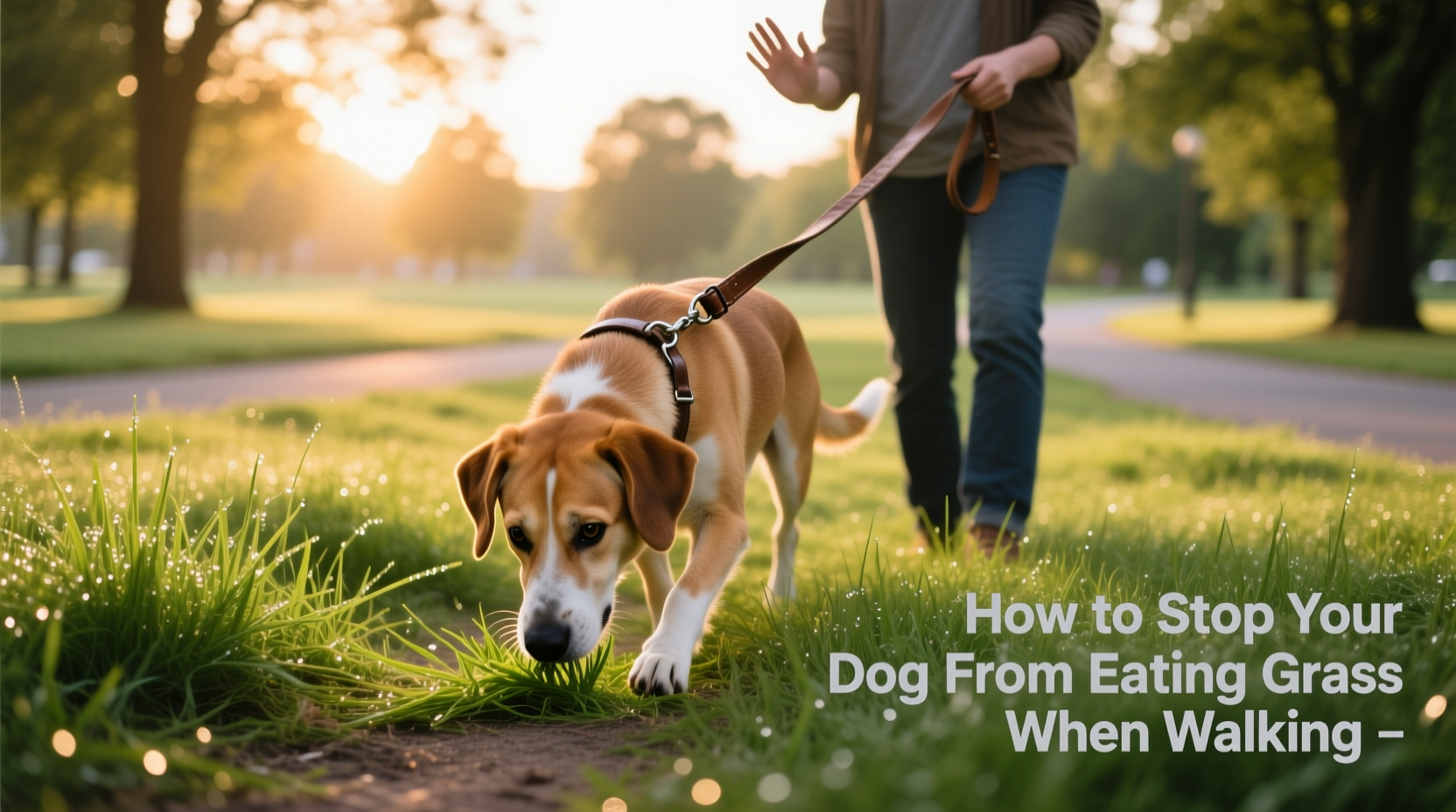
Before addressing how to stop the behavior, it's essential to understand why dogs do it. Contrary to popular belief, grass-eating isn't always a sign of illness or nutritional deficiency. Research and veterinary observations suggest several possible reasons:
- Dietary curiosity: Dogs are naturally curious omnivores. Grass offers a novel texture and taste, especially appealing during walks filled with new scents.
- Digestive aid: Some dogs may instinctively consume grass to induce vomiting if they feel gastrointestinal discomfort. However, only about 25% of dogs actually vomit after eating grass, according to a study published in *Applied Animal Behaviour Science*.
- Nutritional gaps: A diet lacking in fiber or certain micronutrients might prompt a dog to seek plant matter as a supplement.
- Boredom or anxiety: On long or repetitive routes, dogs may turn to grass-eating as a displacement behavior—a way to self-soothe or relieve stress.
- Attention-seeking: If the behavior has been inadvertently reinforced (e.g., you react strongly), your dog may repeat it for interaction.
“Grass consumption in dogs is generally normal, but sudden changes in frequency or accompanying symptoms like vomiting or diarrhea warrant a vet visit.” — Dr. Laura Bennett, DVM, Canine Behavior Specialist
Effective Training Techniques to Prevent Grass Eating
Changing ingrained behaviors requires consistency, timing, and positive reinforcement. The goal is to redirect your dog’s attention before they reach the grass, not punish them afterward. Here’s how to build better habits step by step.
Step-by-Step Guide: Redirecting Grass-Eating Behavior
- Carry high-value treats: Use small pieces of chicken, cheese, or commercial training treats that your dog loves. Keep them easily accessible in a treat pouch.
- Anticipate triggers: Watch for signs your dog is about to approach grass—slowing down, sniffing intently, or changing direction toward lawn edges.
- Redirect early: As soon as you notice the behavior starting, call your dog’s name or use a cue like “Leave it” or “Come.” Reward immediately when they disengage and focus on you.
- Practice in low-distraction areas: Begin training in your yard or quiet sidewalk before moving to busier environments.
- Increase walk engagement: Incorporate short obedience drills (sit, spin, heel) every few minutes to keep your dog mentally engaged and less likely to wander toward grass.
- End on a positive note: Finish each walk with a game or treat after a distraction-free stretch to reinforce good behavior.
Environmental and Dietary Adjustments
Training alone may not be enough if the underlying motivation remains unaddressed. Evaluate your dog’s environment and diet to eliminate potential triggers.
Dietary Evaluation
If your dog consistently seeks out grass, consider whether their current food meets all nutritional needs. Low-fiber diets may contribute to grass consumption as dogs attempt to supplement roughage.
| Diet Factor | Potential Impact on Grass Eating | Solution |
|---|---|---|
| Low fiber content | May increase desire for plant material | Add pumpkin puree (1–2 tsp daily) or switch to high-fiber dog food |
| Poor digestibility | Can cause stomach upset, leading to grass ingestion | Switch to limited-ingredient or hypoallergenic formula |
| Lack of variety | Boredom with food may drive exploration | Rotate protein sources or add safe cooked vegetables |
Walk Route Management
The path you choose plays a major role in exposure to temptation.
- Avoid heavily grassed parks or lawns if your dog struggles with impulse control.
- Choose paved trails, urban sidewalks, or gravel paths where grass access is limited.
- Vary your route regularly to reduce predictability and prevent habitual grazing spots.
Mini Case Study: Reducing Grass Consumption in a High-Energy Border Collie
Milo, a 3-year-old Border Collie, began eating grass aggressively during morning walks. His owner reported that he’d lunge at lawns, ignoring commands, and sometimes vomited afterward. After ruling out medical causes with a vet, a behavior plan was implemented.
The strategy included switching to a high-fiber kibble, introducing puzzle toys before walks to reduce arousal, and using a “focus” game during walks: every time Milo looked at his owner without prompting, he received a treat. Within three weeks, grass-eating incidents dropped from 10–12 per walk to fewer than two. By week six, Milo passed grassy areas without breaking stride.
The success came not from suppressing the behavior, but from addressing Milo’s mental stimulation needs and reinforcing alternative behaviors with rewards.
Checklist: How to Stop Your Dog from Eating Grass on Walks
Use this checklist to create a comprehensive plan tailored to your dog:
- ✅ Rule out medical issues with a veterinarian
- ✅ Assess current diet for fiber and digestibility
- ✅ Carry high-value treats on every walk
- ✅ Train and reinforce the “Leave it” command daily
- ✅ Choose walking routes with minimal grass access
- ✅ Increase mental stimulation at home (puzzle feeders, training games)
- ✅ Use a front-clip harness to improve control near tempting areas
- ✅ Monitor for signs of anxiety or obsessive behavior
- ✅ Record progress weekly to track improvement
- ✅ Consult a certified dog trainer if the behavior persists
Common Mistakes That Reinforce the Habit
Even well-meaning owners can accidentally make the problem worse. Avoid these pitfalls:
- Pulling the leash abruptly: Yanking your dog away from grass can create a negative association and increase tension, making future encounters more reactive.
- Yelling or scolding: Dogs don’t connect delayed punishment with the act of eating grass. This can damage trust and increase anxiety.
- Inconsistent responses: Sometimes allowing grass-eating and other times correcting it confuses your dog and slows learning.
- Ignoring dietary factors: Assuming it’s “just a phase” without evaluating food quality may miss a simple fix.
- Over-relying on commands without rewards: Repeatedly saying “No!” without offering an alternative behavior leads to frustration for both dog and owner.
“Consistency and clarity are more effective than force. Dogs respond best when they know exactly what earns them rewards.” — Sarah Lin, Certified Professional Dog Trainer
When to Seek Professional Help
While most grass-eating is benign, some cases require expert intervention. Contact your veterinarian or a certified animal behaviorist if your dog:
- Eats grass obsessively (multiple times per walk, for extended periods)
- Shows signs of gastrointestinal distress (vomiting, diarrhea, lethargy)
- Becomes aggressive when prevented from eating grass
- Loses weight despite normal appetite
- Consumes chemically treated lawns or unknown plants regularly
In rare cases, pica (the compulsion to eat non-food items) may be linked to anxiety disorders, malabsorption syndromes, or endocrine imbalances. Blood work and behavioral assessment can identify underlying conditions.
Frequently Asked Questions
Is it dangerous for my dog to eat grass?
Occasional grass consumption is typically safe, especially if the grass is untreated and free of contaminants. However, risks include exposure to herbicides, fertilizers, intestinal parasites (like roundworms from contaminated soil), or sharp plant material causing oral or digestive irritation. Supervise closely and avoid areas with visible chemical use.
Will neutering or spaying stop my dog from eating grass?
No, there’s no evidence that altering affects grass-eating behavior. This habit is primarily driven by environmental, dietary, or behavioral factors, not hormones related to reproduction.
Can I use a muzzle to prevent grass eating?
While basket muzzles allow panting and drinking, they should only be used temporarily during training and never as a long-term solution. Muzzling without addressing the root cause can increase frustration and doesn’t teach your dog what to do instead. Use only under guidance from a trainer and ensure proper fit and comfort.
Conclusion: Building Healthier Walking Habits
Stopping your dog from eating grass while walking isn’t about suppression—it’s about redirection, enrichment, and understanding. With patience and a structured approach, most dogs can learn to ignore grassy temptations and stay focused on the walk. Start by evaluating your dog’s diet and health, then implement consistent training using positive reinforcement. Choose smarter routes, boost mental exercise at home, and celebrate small victories along the way.
Every dog is different, and progress may take weeks, not days. But with dedication, you’ll not only reduce unwanted grass consumption—you’ll strengthen your bond and transform walks into more enjoyable, focused experiences for both of you.
💬 Have a tip that worked for your dog? Share your experience in the comments below—your insight could help another pet owner facing the same challenge!








