Dogs bark at the doorbell for a variety of instinctive reasons—territorial defense, excitement, or alerting their pack (you). While this behavior may seem harmless at first, chronic barking can become disruptive, stressful for household members, and even lead to neighbor complaints. The good news is that with consistent training, environmental management, and a clear understanding of canine behavior, you can teach your dog to remain calm when the bell rings. This guide provides actionable strategies backed by animal behavior experts to help you create lasting change in your dog’s response.
Understanding Why Dogs Bark at the Doorbell
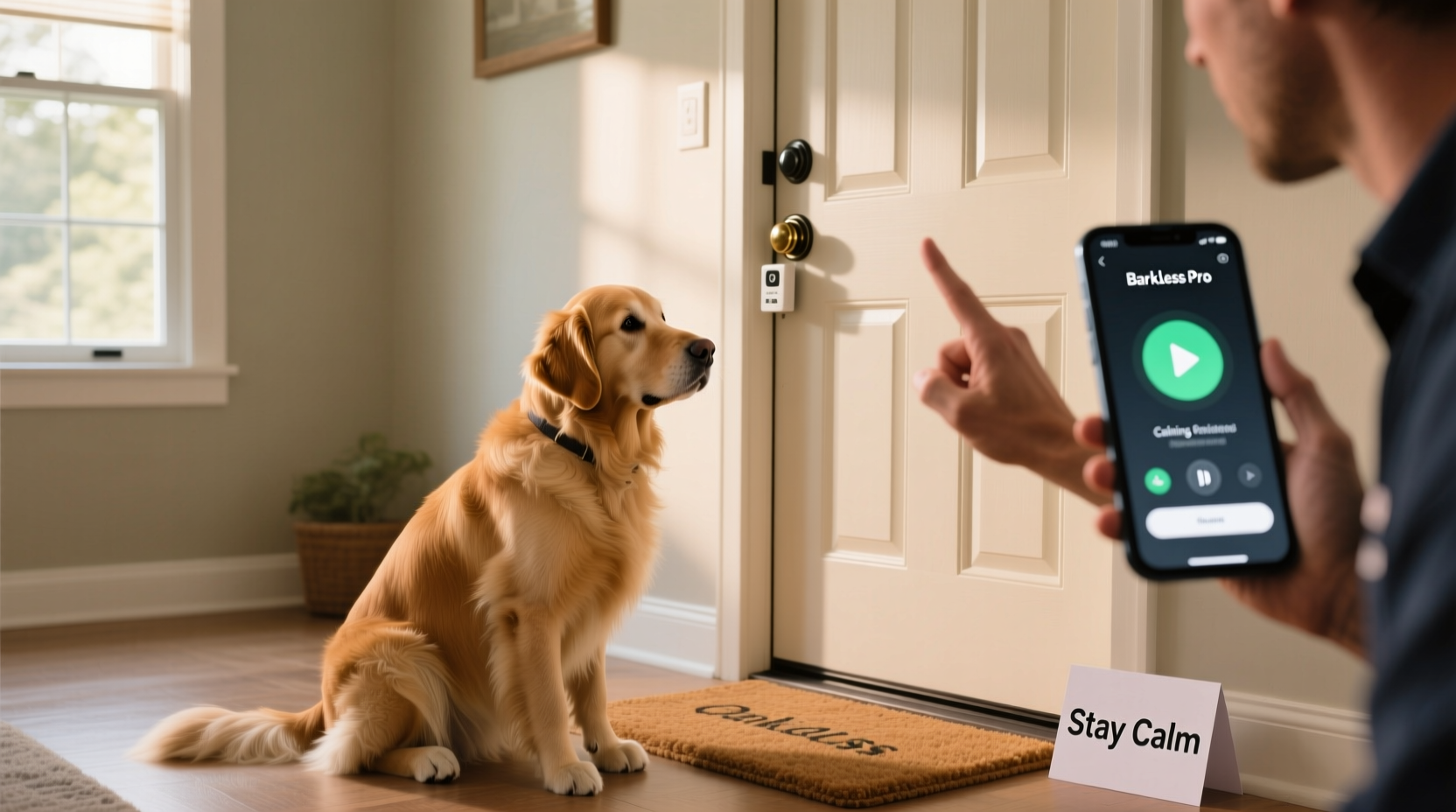
Dogs are naturally vigilant animals. Their acute hearing picks up sounds humans often miss, and the sudden chime of a doorbell triggers an immediate reaction. For many dogs, the sound signals the arrival of an unknown person—an event that could represent danger or opportunity. This activates their protective instincts. Over time, if barking results in attention or the visitor leaving, the behavior becomes reinforced.
Common underlying causes include:
- Alert barking: The dog perceives the doorbell as a threat and warns it away.
- Excitement: Some dogs associate the doorbell with guests who bring affection or play.
- Attention-seeking: Barking may be rewarded unintentionally when owners react, even negatively.
- Lack of training: Without instruction on appropriate behavior, dogs default to instinct.
Addressing the root cause is essential. A dog trained to bark on command may need different intervention than one reacting out of fear or anxiety.
Tip: Observe your dog’s body language when the doorbell rings. Is the tail stiff and high (alert), wagging rapidly (excited), or tucked (anxious)? This helps determine the motivation behind the barking.Step-by-Step Training Plan to Reduce Doorbell Barking
Changing your dog’s response requires patience and consistency. The goal is not to eliminate vocalization entirely but to replace reactive barking with a calm, alternative behavior such as going to a designated spot or sitting quietly.
- Desensitize to the doorbell sound: Record the doorbell tone and play it at a low volume. Reward your dog with treats when they remain quiet. Gradually increase volume over days as your dog stays calm.
- Teach an incompatible behavior: Train your dog to go to a mat or sit-stay when the bell rings. Practice using the recorded sound. When your dog performs the desired action, reward immediately.
- Add distance: Have a helper ring the doorbell while you practice the routine. Start with the dog far from the door, then slowly decrease distance as success improves.
- Introduce real-world scenarios: Once your dog reliably responds indoors, practice with actual visitors. Ask them to wait before entering until your dog is calm.
- Maintain consistency: Everyone in the household must respond the same way. Inconsistent reactions confuse dogs and slow progress.
This process typically takes two to six weeks, depending on the dog’s temperament and prior training history. Avoid punishment-based methods; they increase anxiety and worsen reactivity.
Effective Management Tools and Environmental Adjustments
While training takes effect, managing the environment reduces rehearsal of unwanted behavior. Each time your dog barks at the doorbell unchecked, the habit strengthens.
Consider these practical adjustments:
- Use a white noise machine or music: Background sound can muffle the doorbell, reducing its startling effect.
- Install a doorbell camera with mute: You’ll know when someone arrives without triggering the audible chime.
- Create a “quiet zone”: Designate a comfortable area away from the front door where your dog can retreat during visits.
- Use baby gates or closed doors: Prevent your dog from rushing to the entrance, which fuels arousal.
For homes with frequent deliveries, consider scheduling packages for drop-off at safe locations or using lockboxes.
“Dogs don’t misbehave out of defiance—they respond to what works. If barking makes the scary thing go away, they’ll keep doing it. Our job is to give them a better option.” — Dr. Karen Overall, Veterinary Behaviorist
Training Techniques Comparison: What Works Best?
Not all training methods yield equal results. The table below compares common approaches based on effectiveness, ease of implementation, and long-term sustainability.
| Method | Effectiveness | Time Required | Best For |
|---|---|---|---|
| Positive Reinforcement + Desensitization | High | 3–6 weeks | All dogs, especially anxious or excitable ones |
| Remote Treat Dispenser Triggered by Doorbell | Moderate to High | 2–4 weeks | Dogs motivated by food, owners with limited time |
| Voice Command Training (e.g., “Quiet”) | Moderate | Ongoing reinforcement needed | Dogs already responsive to verbal cues |
| Bark Collars (vibration/spray) | Low to Moderate | Immediate but temporary | Short-term use only; not recommended as primary solution |
| Ignoring the Behavior | Low | Ineffective long-term | Rarely advisable; may escalate anxiety |
The most sustainable results come from positive reinforcement paired with desensitization. Devices like automatic treat dispensers (e.g., Pet Tutor or iPet) can support training by rewarding calm behavior the moment the bell rings, even when you’re not present.
Real-Life Example: Transforming Max’s Doorbell Reactivity
Max, a 3-year-old Border Collie, would bark nonstop, jump at windows, and lunge toward the front door every time the doorbell rang—even during online videos. His owner, Sarah, was embarrassed during guest visits and worried about his stress levels.
She began by recording her doorbell and playing it softly while giving Max chicken treats for staying calm. At first, he startled, but after five repetitions, he started looking at her expectantly when the sound played. Over ten days, she increased the volume and added the cue “Go to mat,” rewarding him for lying down on his bed across the room.
Next, Sarah enlisted a friend to ring the bell while Max was in another room. She prompted the “go to mat” command and treated generously. After three weeks of daily practice, Max now trots to his bed and lies down when the bell rings—even during real deliveries. Occasional refresher sessions ensure the behavior stays strong.
“It’s not just quieter—it feels like we finally understand each other,” Sarah said.
Tip: Use high-value treats (like cooked chicken or cheese) during training. Reserve them only for doorbell exercises to maximize motivation.Essential Checklist for Success
To ensure steady progress, follow this checklist consistently:
- ☐ Identify your dog’s trigger threshold (volume level at which barking begins).
- ☐ Record or simulate the doorbell sound for controlled training.
- ☐ Choose a replacement behavior (e.g., sit, go to mat, lie down).
- ☐ Practice daily in short sessions (5–10 minutes).
- ☐ Use high-value rewards immediately after calm behavior.
- ☐ Gradually introduce real-life ringing with a helper.
- ☐ Manage the environment to prevent untrained exposures.
- ☐ Involve all household members in consistent responses.
- ☐ Monitor progress and adjust difficulty as needed.
- ☐ Celebrate small wins—calm seconds build into calm minutes.
Frequently Asked Questions
Can older dogs learn to stop barking at the doorbell?
Yes. While puppies are more adaptable, adult and senior dogs can learn new behaviors with consistent training. The process may take longer, but neurological studies confirm lifelong neuroplasticity in canines. Patience and repetition are key.
What if my dog barks at both the doorbell and knocking?
Treat knocking as a separate but related trigger. Train responses to each sound individually, then combine them once mastery is achieved. Knocking is less predictable, so focus on building general calmness around door interactions.
Are anti-bark devices effective?
Devices like citronella spray collars may suppress barking temporarily but do not address the underlying cause. They can also increase stress or create negative associations. Positive training methods are safer and more effective for long-term behavior change.
Conclusion: Calm Starts with Consistency
Stopping your dog from barking at the doorbell isn’t about silencing them—it’s about teaching them a better way to respond. With structured training, environmental control, and empathy for your dog’s perspective, you can transform a chaotic reaction into a peaceful routine. The methods outlined here don’t just reduce noise; they strengthen your bond and improve your dog’s emotional well-being.
Start today. Even five minutes of focused training can set the foundation for lasting change. Your home—and your neighbors—will thank you.
💬 Have a success story or challenge with doorbell barking? Share your experience in the comments—your insight could help another dog owner find peace at the front door.








