Cats scratch. It’s not just a habit—it’s a fundamental behavior rooted in their biology. Scratching helps them shed old claw layers, stretch muscles, mark territory with scent glands in their paws, and relieve stress. Unfortunately, when this instinct targets your favorite couch, it can lead to frustration for pet owners. The good news? You don’t have to resort to declawing, sprays that cause fear, or other harmful methods. With patience, consistency, and humane strategies, you can redirect your cat’s natural instincts toward appropriate surfaces—preserving both your furniture and your feline’s well-being.
Understanding Why Cats Scratch Furniture
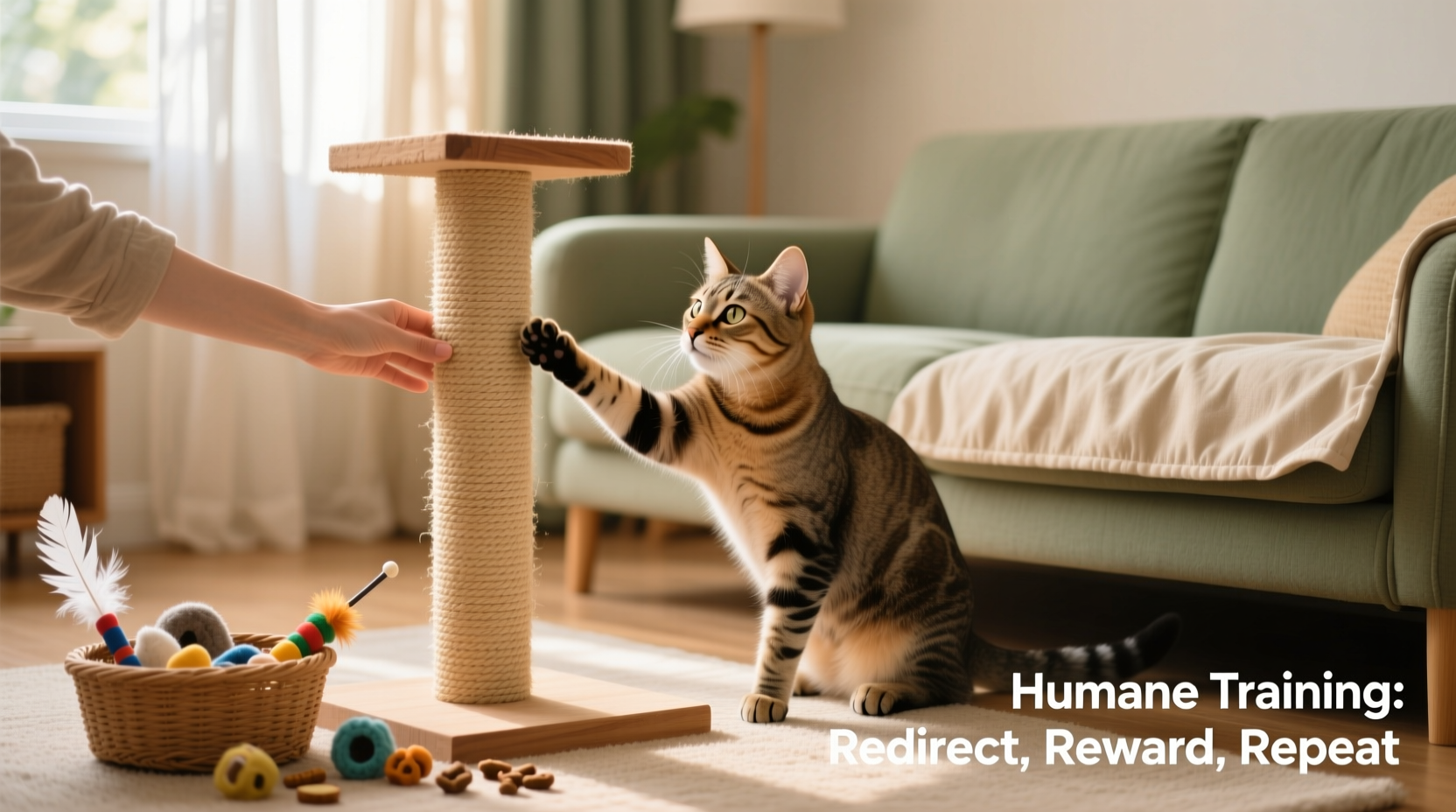
Before addressing how to change the behavior, it’s essential to understand why your cat chooses the couch in the first place. Many owners assume cats scratch out of spite or boredom, but the truth is more nuanced. Scratching is a multi-purpose activity driven by instinct, not defiance.
- Physical maintenance: Scratching removes the outer layer of dead claws, keeping nails sharp and healthy.
- Muscle stretching: The motion engages shoulder, back, and leg muscles—especially after naps.
- Scent marking: Cats have scent glands between their paw pads. Scratching deposits pheromones, creating a familiar, secure environment.
- Territory signaling: Visible marks and scent cues communicate presence to other animals (even if no other pets are around).
- Emotional regulation: Scratching can be a response to excitement, anxiety, or overstimulation.
If your cat favors the couch, it may simply be because the fabric offers ideal resistance—like sisal or tightly woven materials—or because the location is high-traffic and socially significant. Removing access without providing an alternative leaves your cat emotionally and physically unfulfilled.
Tip: Never punish your cat for scratching. This creates fear and erodes trust, making behavioral issues worse.Step-by-Step Guide to Redirect Scratching Behavior
Changing where your cat scratches requires replacing the undesired behavior with a preferred one—not eliminating scratching altogether. Follow this humane, structured approach for lasting results.
- Assess the current setup: Identify which parts of the couch are targeted. Is it the armrest? Corner? Back? Note height, texture, and location.
- Provide appealing alternatives: Place scratching posts or pads near the couch. Choose vertical or horizontal options based on your cat’s preference. Include different textures: sisal rope, cardboard, carpet, and wood.
- Make the couch less attractive: Use temporary deterrents like double-sided tape, aluminum foil, or plastic slip covers. These aren’t punitive—they create an unpleasant texture while you redirect behavior.
- Encourage use of new scratchers: Sprinkle catnip, attach dangling toys, or gently guide your cat’s paws over the surface. Reward immediately with treats or praise when they engage.
- Gradually phase out deterrents: Once consistent use of the scratcher is established (typically 2–4 weeks), slowly remove couch protections while continuing to reinforce the new option.
- Monitor and adjust: If relapses occur, reassess placement, stability, or material. A wobbly post won’t satisfy a cat looking to stretch fully.
Consistency across household members is critical. Everyone should respond the same way—no yelling, no startling with spray bottles. Positive reinforcement builds cooperation; fear undermines it.
Choosing the Right Scratching Solutions
Not all scratching posts are created equal. Many commercial options fail because they’re too small, unstable, or placed in low-traffic areas. Your cat needs a structure that matches their physical and psychological needs.
| Scratcher Type | Best For | Placement Tips |
|---|---|---|
| Vertical Sisal Post (30+ inches) | Cats who stretch upward or mark territory | Near couch or bedroom doorway—high visibility |
| Horizontal Cardboard Scratcher | Senior cats or those with joint issues | Next to resting spots or sunny windows |
| Incline Scratching Board | Cats who prefer angled surfaces | Lean against wall near targeted furniture |
| Multi-Level Cat Tree | Homes with multiple cats or climbers | Anchored near social hubs (living room, entryway) |
The ideal scratcher is tall enough for full extension, sturdy enough not to tip, and located where your cat already spends time. Stability is non-negotiable—a shaky post signals danger to cats, discouraging use.
“Cats don’t need training to scratch—they need guidance on where it’s acceptable. The key is making the right choice more rewarding than the wrong one.” — Dr. Sarah Thompson, DVM, Feline Behavior Consultant
Real Example: Turning Around Chronic Couch Damage
Maria adopted Luna, a three-year-old domestic shorthair, six months ago. Within weeks, the arms of her sectional sofa were shredded. She tried spritzing water, covering the area with plastic, and even reprimanding Luna—but the damage continued. Frustrated, she consulted a certified cat behaviorist.
The turning point came when Maria realized Luna scratched most after waking up from naps on the couch. The behavior wasn’t destructive—it was routine stretching. The solution? A 32-inch sisal-wrapped post placed directly beside the couch, anchored to the wall. Maria rubbed catnip on it and used a feather toy to lure Luna into swatting and scratching. Within ten days, Luna used the post consistently. After three weeks, the plastic cover was removed, and the couch remained intact.
The change didn’t come from discipline—it came from empathy and environmental adjustment.
Common Mistakes That Undermine Progress
Even well-intentioned efforts can fail due to subtle missteps. Avoid these frequent errors:
- Using punishment: Hissing, spraying, or tapping a cat’s paws increases anxiety and damages trust.
- Placing scratchers in isolated areas: A post in the basement won’t compete with the living room couch.
- Offering only one type of surface: Some cats reject cardboard but love sisal; others prefer horizontal rubbing.
- Expecting immediate results: Behavior change takes weeks. Setbacks are normal during transitions.
- Ignoring nail health: Overgrown nails can make scratching uncomfortable, leading to incomplete attempts or redirected biting.
Humane Alternatives to Declawing and Harsh Deterrents
Declawing—surgical removal of the last bone in each toe—is illegal in many countries and condemned by veterinary associations worldwide. It causes chronic pain, lameness, and behavioral issues like biting or litter box avoidance. Fortunately, humane alternatives exist.
Soft nail caps (like Soft Paws) are lightweight vinyl covers glued over the claws. They last 4–6 weeks and prevent damage without altering natural behavior. Most cats adapt quickly, especially when introduced gradually with positive reinforcement.
Another option is pheromone diffusers such as Feliway Classic or Feliway Multicat. These mimic calming facial pheromones and can reduce stress-related scratching in multi-cat homes or anxious individuals.
Additionally, consider enriching your cat’s environment. Boredom and excess energy often amplify unwanted behaviors. Rotate toys, add window perches, and engage in daily interactive play sessions with wand toys to satisfy predatory instincts.
Checklist: How to Humanely Stop Couch Scratching
Use this checklist to ensure you’re covering all bases in your training plan:
- ✅ Observe when and where your cat scratches most frequently
- ✅ Purchase at least one sturdy, appropriately sized scratching post
- ✅ Place scratchers near targeted furniture or favorite resting spots
- ✅ Use temporary deterrents (tape, foil, plastic) on the couch
- ✅ Introduce catnip, toys, or treats to encourage scratcher use
- ✅ Reward your cat immediately after correct scratching
- ✅ Trim nails regularly to minimize damage
- ✅ Be patient—allow 3–6 weeks for consistent behavior change
- ✅ Remove deterrents only after reliable use of the scratcher
- ✅ Consult a vet or behaviorist if progress stalls
Frequently Asked Questions
Can I train an older cat to stop scratching the couch?
Yes. While kittens are easier to shape behaviorally, adult and senior cats can learn new habits with patience and consistency. The principles remain the same: provide better alternatives and make the couch less appealing temporarily.
What if my cat ignores the scratching post completely?
Try changing the location, texture, or orientation. A post in a quiet corner may go unused, while one near a sunbeam or social area gets attention. Experiment with cardboard, sisal, or corrugated paper. Rubbing silver vine or catnip on it can also boost interest.
Are there specific fabrics that resist scratching?
Microfiber and tightly woven performance fabrics (e.g., Crypton, Sunbrella) are more resistant to snagging than velvet, linen, or loose weaves. However, no fabric is truly “cat-proof.” Prevention relies more on behavior management than material alone.
Conclusion: Compassion Leads to Lasting Change
Stopping your cat from scratching the couch isn’t about suppression—it’s about redirection. When you honor your cat’s natural instincts while guiding them toward acceptable outlets, you build a relationship based on trust and understanding. The goal isn’t a scratch-free home; it’s a harmonious one where both you and your cat thrive.
Start today by placing a sturdy scratcher beside the couch, adding a sprinkle of catnip, and watching what happens. Small, consistent actions yield big results. Your cat isn’t being “bad”—they’re being perfectly cat-like. Meet them where they are, and you’ll both enjoy a more peaceful, claw-friendly home.
💬 Have a success story or tip for stopping couch scratching? Share your experience in the comments—your insight could help another cat owner find peace with their furry roommate!








