Cats scratch. It’s not mischief—it’s instinct. They do it to shed old claw layers, mark territory, stretch muscles, and relieve stress. Unfortunately, when your sofa becomes the preferred scratching post, the behavior can damage furniture and frustrate even the most patient pet owner. The good news? You don’t have to resort to declawing or harsh punishments. With humane, consistent strategies, you can redirect your cat’s natural urges away from your couch and toward more appropriate outlets.
The key isn’t suppression—it’s redirection. Successful solutions combine environmental enrichment, physical deterrents, and positive reinforcement. This guide explores practical, science-backed methods that respect your cat’s instincts while protecting your home.
Why Cats Scratch Furniture (And Why Punishment Doesn’t Work)
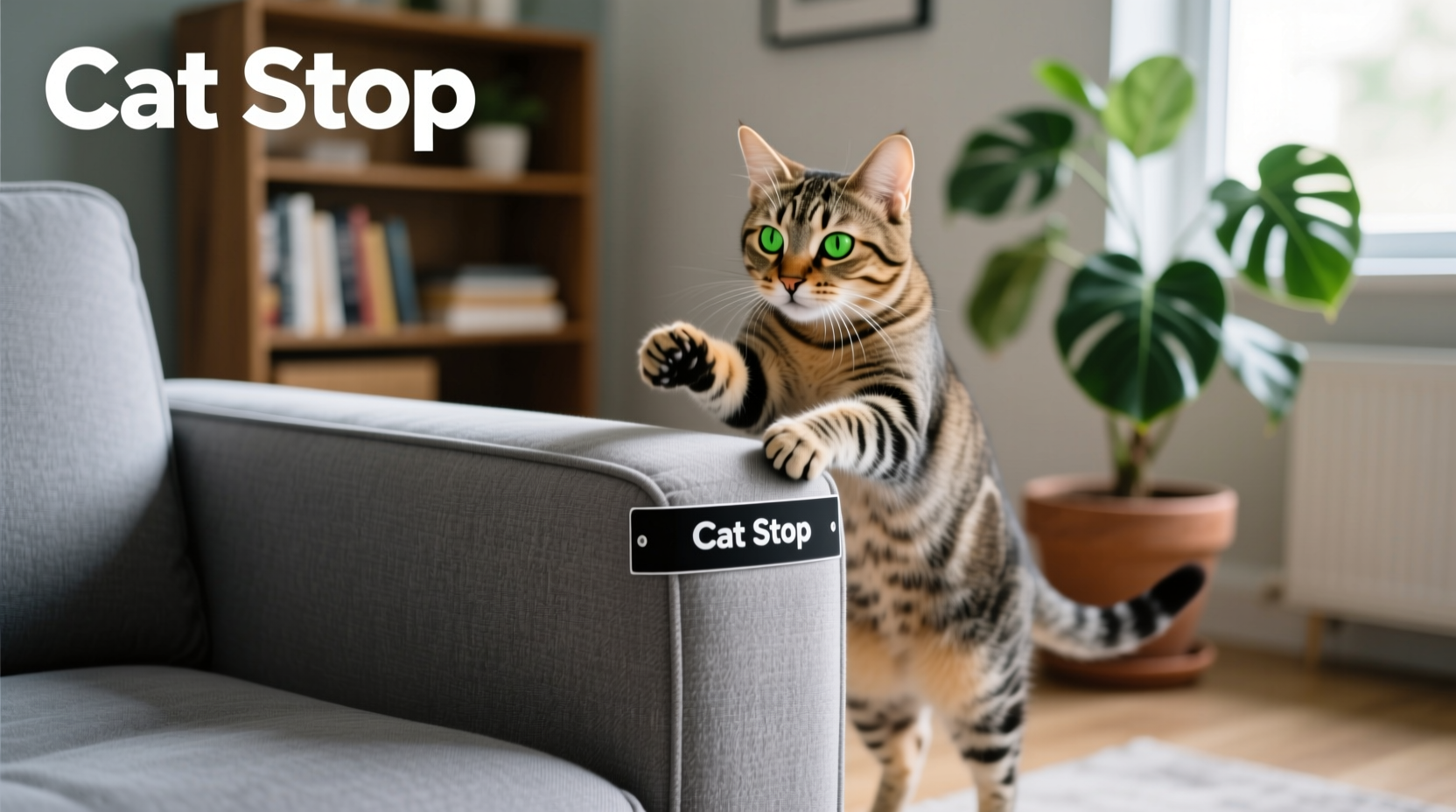
Understanding feline behavior is the first step in solving destructive scratching. Cats aren’t trying to annoy you—they’re responding to biological needs. Scratching activates scent glands in their paws, leaving invisible territorial markers. It also helps maintain healthy claws and provides a full-body stretch after naps.
Attempts to punish cats for scratching often backfire. Yelling, spraying water, or using loud noises may cause fear but won’t teach the cat what *to* do instead. In fact, stress from punishment can increase unwanted behaviors. According to Dr. Sarah Elliott, a certified feline behavior consultant:
“Cats don’t connect punishment with past actions. If you scold a cat five minutes after they’ve scratched the couch, they won’t understand why. Instead, they may become anxious or fearful of you.”
Effective solutions focus on making the couch less appealing while offering better alternatives. The goal is to shape behavior through empathy, not fear.
Step-by-Step: Redirecting Scratching Behavior Humanely
Stopping couch scratching requires consistency and patience. Follow this six-step process to create lasting change:
- Assess the current environment: Identify where and when your cat scratches. Is it near sleeping areas? After meals? Understanding patterns helps target solutions.
- Provide appealing alternatives: Place sturdy scratching posts or pads near the couch. Cats prefer vertical surfaces at an angle that allows full stretching.
- Make the couch less inviting: Use temporary deterrents like double-sided tape or aluminum foil on targeted areas.
- Encourage use of the scratcher: Sprinkle catnip, attach dangling toys, or gently guide your cat’s paws over the post.
- Reinforce desired behavior: Reward your cat with treats or affection immediately after using the scratcher.
- Gradually phase out deterrents: Once your cat consistently uses the scratcher, slowly remove couch protections.
This process typically takes 2–6 weeks. Consistency across all household members is crucial—mixed signals confuse cats and delay progress.
Tip: Place new scratchers at a 30-degree angle if your cat prefers horizontal scratching—many cats find this position more natural.Top Humane Deterrents That Actually Work
Not all deterrents are created equal. Some are ineffective; others cause unnecessary stress. The following options are vetted by animal behaviorists and proven in real homes:
- Double-sided sticky tape: Cats dislike the texture on their paws. Apply strips to armrests or corners. Brands like Sticky Paws work for weeks and leave no residue.
- Aluminum foil: Temporarily cover problem areas. The crinkly sound and cold surface deter most cats. Gradually reduce coverage as behavior improves.
- Soft plastic covers (e.g., Soft Paws): These vinyl protectors adhere to furniture edges and blunt claws without restricting movement. Replace every 4–6 weeks.
- Scent-based repellents: Use sprays with citrus, lavender, or herbal extracts. Avoid strong essential oils, which can be toxic. Reapply every few days.
- Ultrasonic devices: Motion-activated units emit high-frequency sounds only cats hear. Effective for some, but not all cats respond.
Deterrents should always be paired with positive alternatives. A cat denied all scratching options may develop anxiety or redirected aggression.
Comparison of Common Deterrents
| Deterrent | Effectiveness | Duration | Cat Stress Level | Best For |
|---|---|---|---|---|
| Double-Sided Tape | High | 2–4 weeks | Low | Armrests, corners |
| Aluminum Foil | Moderate | Days–weeks | Low-Moderate | Temporary training |
| Plastic Furniture Covers | High | Months | Very Low | Long-term protection |
| Scent Repellents | Variable | Hours–days | Low | Cats sensitive to smell |
| Ultrasonic Devices | Low-Moderate | Ongoing | Moderate | Open spaces, large rooms |
Choosing and Placing the Right Scratching Post
No deterrent will succeed long-term without a compelling alternative. Many commercially available scratchers fail because they’re too small, unstable, or poorly placed.
Look for these features in a quality scratching post:
- Height: At least 30 inches tall for vertical scratching.
- Material: Sisal rope is ideal—durable and fibrous enough to satisfy clawing.
- Stability: Must not wobble when used. Add weight to the base if needed.
- Orientation: Offer both vertical and angled options. Some cats prefer horizontal surfaces.
Placement is just as important. Position scratchers:
- Next to the couch or chair being damaged.
- Near sleeping or lounging areas.
- In high-traffic zones where the cat feels secure.
It’s normal for cats to reject a new scratcher at first. Encourage use by rubbing it with catnip, attaching teaser toys, or gently guiding their paws in a scratching motion. Never force interaction—positive association builds over time.
Mini Case Study: Turning Around Chronic Couch Damage
When Lisa adopted her two-year-old tabby, Milo, she didn’t anticipate the destruction. Within weeks, the arms of her linen sofa were shredded. She tried yelling, covering the area with blankets, and even a spray bottle—but nothing worked.
After consulting a veterinary behaviorist, she implemented a multi-pronged approach:
- She installed a 36-inch sisal post right next to the couch.
- Applied double-sided tape to the most damaged armrest.
- Used a citrus-scented spray (vet-approved) twice daily.
- Rewarded Milo with tuna flakes every time he approached or used the post.
Within 10 days, Milo began using the post regularly. By week four, he ignored the couch entirely. Lisa gradually removed the tape and now uses only occasional spritzes during high-stress periods (like guests visiting).
“I realized I wasn’t giving him a better option,” she said. “Once I did, he made the switch naturally.”
Common Mistakes That Undermine Your Efforts
Even well-intentioned owners make errors that prolong the problem. Avoid these pitfalls:
- Using flimsy scratchers: Wobbly posts teach cats that scratching leads to instability—reinforcing avoidance.
- Placing scratchers in isolated areas: Cats won’t use them if they feel exposed or far from their territory.
- Removing deterrents too soon: Wait at least 4–6 weeks of consistent alternative use before phasing out protections.
- Over-relying on sprays: Scent-based deterrents lose effectiveness without behavioral reinforcement.
- Declawing: Banned in many countries, declawing is a painful surgical procedure that causes long-term physical and psychological harm.
Remember: scratching is not a discipline issue. It’s a communication of need. Address the root cause, and the behavior shifts naturally.
Checklist: How to Stop Couch Scratching Humanely
- ✅ Observe when and where your cat scratches
- ✅ Buy a sturdy, sisal-covered scratching post
- ✅ Place the post near the damaged furniture
- ✅ Apply double-sided tape or plastic covers to couch arms
- ✅ Use cat-safe deterrent sprays (citrus, herbal)
- ✅ Reward your cat immediately after using the scratcher
- ✅ Trim claws every 2–3 weeks to minimize damage
- ✅ Be consistent for at least 4 weeks before adjusting tactics
Frequently Asked Questions
Will my cat eventually stop scratching the couch on its own?
Unlikely. Without intervention, the behavior usually worsens as the scent marking reinforces the spot as “theirs.” Proactive redirection is necessary to change the habit.
Are there any safe sprays I can use on my couch?
Yes, but avoid essential oils like tea tree or eucalyptus, which are toxic to cats. Opt for commercial sprays labeled “feline-safe” or make a DIY mix with diluted lemon juice and water (test on a hidden area first).
How often should I replace the scratching post?
Replace it when it becomes loose, frayed, or unappealing. Most sisal posts last 6���12 months with regular use. Having a backup ready ensures continuity during transitions.
Final Thoughts: Patience, Empathy, and Persistence
Stopping your cat from scratching the couch isn’t about winning a battle—it’s about building a shared understanding. Cats thrive in environments where their instincts are respected, not suppressed. By combining humane deterrents with enriching alternatives, you create a home that works for both of you.
Progress may be slow, but each small success builds momentum. Celebrate the moments your cat chooses the scratcher. Over time, those choices become habits. And your furniture? It stays intact—not through force, but through thoughtful design and compassion.
💬 Have a tip that worked for your cat? Share your experience in the comments—your solution might help another frustrated pet owner find peace with their furry roommate.








