
Dog owners of breeds like Huskies, Golden Retrievers, German Shepherds, and Newfoundlands know the reality: shedding isn’t just seasonal—it’s a year-round commitment. While some level of hair loss is normal, excessive shedding can signal underlying health issues or poor grooming practices. More importantly, it impacts home cleanliness, allergy sufferers, and even your dog’s comfort. The good news? With the right grooming techniques, tools, and routines, you can significantly reduce loose fur and keep your pet’s coat healthy and manageable.
This guide dives into science-backed strategies, professional groomer insights, and real-world-tested hacks that go beyond basic brushing. From choosing the right tools to adjusting diet and managing stress, every factor plays a role in controlling excessive shedding.
Understanding Why Dogs Shed Excessively
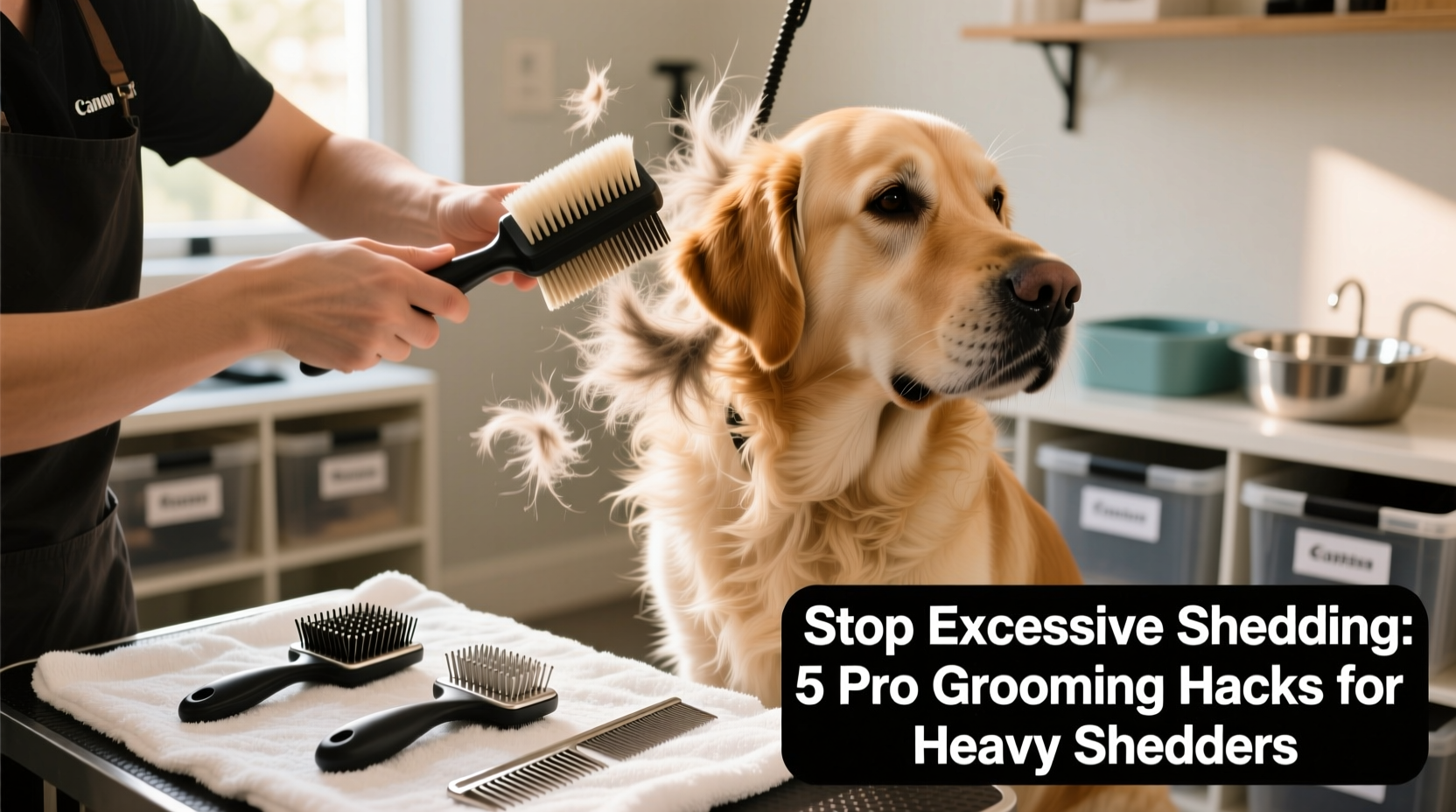
Shedding is a natural biological process. Dogs lose old or damaged hair to make way for new growth. However, the amount and frequency depend on breed, season, health, and environment. Double-coated breeds, for example, have a dense undercoat designed for insulation, which sheds heavily during seasonal “blowouts” in spring and fall.
But when shedding becomes excessive—clumps of fur on furniture, bald patches, or skin irritation—it may point to deeper concerns:
- Poor nutrition: Diets lacking essential fatty acids like omega-3 and omega-6 weaken hair follicles.
- Skin conditions: Allergies, fungal infections (like ringworm), or parasites (fleas, mites) cause inflammation and hair loss.
- Hormonal imbalances: Hypothyroidism or Cushing’s disease often lead to symmetrical thinning and brittle fur.
- Stress or anxiety: Changes in environment, routine, or trauma can trigger psychogenic alopecia.
- Overbathing: Stripping natural oils from the skin leads to dryness and increased shedding.
Before implementing any grooming hack, rule out medical causes by consulting a veterinarian. Once health is confirmed, focus shifts to consistent, intelligent grooming.
Tip: If your dog suddenly starts shedding in patches or seems itchy, see a vet before assuming it's normal seasonal shedding.Essential Grooming Tools for Heavy Shedders
Not all brushes are created equal. Using the wrong tool can damage the coat or fail to reach the undercoat where most loose hair accumulates. Invest in tools designed specifically for de-shedding:
| Tool | Best For | How It Works | Frequency |
|---|---|---|---|
| Furminator or DeShedding Tool | Double-coated breeds (Huskies, Labs) | Reaches undercoat without cutting topcoat | 1–2 times per week |
| Rubber Curry Brush | Short-haired heavy shedders (Beagles, Boxers) | Mimics massage, lifts loose hair during bathing | Daily or during bath time |
| Undercoat Rake | Thick undercoats (Newfoundlands, Malamutes) | Removes dense, dead undercoat in layers | Weekly during shedding season |
| Pin Brush | Long-haired breeds (Collies, Shih Tzus) | Detangles while removing surface debris | Every other day |
| Bristle Brush | All coat types for finishing | Distributes natural oils and smooths coat | After every grooming session |
Always brush in the direction of hair growth, starting from the neck and moving toward the tail. Pay special attention to friction-prone areas like behind the ears, under the legs, and along the belly, where mats form easily.
“Using a quality de-shedding tool weekly can reduce visible shedding in the home by up to 80%—if used correctly.” — Dr. Laura Bennett, Veterinary Dermatologist
Step-by-Step Weekly Grooming Routine for Heavy Shedders
A structured routine prevents matting, improves circulation, and removes loose hair before it ends up on your couch. Follow this timeline for optimal results:
- Day 1: Dry Brushing Session
Use a Furminator or undercoat rake on dry fur. Work in sections, applying gentle pressure. Focus on high-shed zones. Collect loose hair with a damp cloth afterward to prevent airborne dispersion. - Day 3: Detangle & Condition
If your dog has longer fur, use a pin brush to remove tangles. Apply a leave-in detangling spray to ease combing. Avoid water unless bathing. - Day 5: Bath Time (Monthly or as needed)
Use a de-shedding shampoo containing omega oils or aloe vera. Wet thoroughly, lather deeply into the undercoat, and rinse completely. Follow with a conditioner to prevent dryness. - Day 6: Post-Bath Drying & Brushing
Towel-dry first, then use a low-heat blow dryer while brushing. This lifts the undercoat and removes residual loose hair. Never skip brushing after a bath—even if the coat looks clean. - Day 7: Maintenance Check
Do a quick once-over with a rubber curry brush. Inspect skin for redness, bumps, or dryness. Reward your dog to reinforce positive associations with grooming.
This seven-day cycle keeps shedding under control without over-stimulating the skin. Adjust frequency during peak shedding seasons (spring and fall), when bi-weekly deep sessions may be necessary.
Top 5 Grooming Hacks That Actually Work
Professional groomers and experienced owners swear by these lesser-known but highly effective tricks:
Tip: Wipe your dog down with a slightly damp microfiber towel between brushes to catch loose hairs clinging to the coat.- The Two-Brush Method: Start with a de-shedding tool, then finish with a bristle brush. This combo removes undercoat debris and restores shine.
- Vacuum While You Groom: Use a handheld vacuum or have someone follow behind you during brushing. Captures 90% of airborne fur before it spreads.
- Cool Water Rinse: After shampooing, finish with a cool water rinse. It closes hair cuticles, strengthens strands, and reduces breakage.
- Coconut Oil Massage: Rub a teaspoon of food-grade coconut oil into the coat before brushing. It loosens dead hair and moisturizes dry skin.
- Lint Roller Hack: Keep a pet-safe lint roller near favorite resting spots. Roll over beds and sofas daily to manage stray hairs.
These hacks are simple but powerful when applied consistently. They’re especially useful for owners who live in small spaces or have allergy-sensitive family members.
Nutrition and Lifestyle: The Hidden Factors Behind Shedding
No grooming routine can compensate for poor internal health. A shiny, resilient coat starts from within. Omega-3 and omega-6 fatty acids are crucial for skin hydration and follicle strength. Deficiencies lead to dry, flaky skin and brittle hair that breaks off easily.
Consider supplementing your dog’s diet with:
- Fish oil (salmon, sardine-based)
- Flaxseed oil (for vegetarians or fish-allergic dogs)
- Probiotics to support gut health, which affects nutrient absorption
- High-quality proteins (chicken, lamb, eggs) rich in amino acids
Avoid cheap kibble filled with fillers like corn and soy, which offer little nutritional value and can trigger allergies. Instead, opt for whole-food-based diets or consult your vet about adding a veterinary-formulated supplement.
Lifestyle also matters. Dogs under chronic stress—due to loud environments, lack of exercise, or separation anxiety—often shed more. Regular walks, mental stimulation, and a calm home environment help regulate cortisol levels, indirectly reducing shedding.
“About 30% of excessive shedding cases I see are directly linked to diet. Switching to a premium food with balanced omegas makes a visible difference in 4–6 weeks.” — Dr. Raj Mehta, Canine Nutrition Specialist
Mini Case Study: Managing Max the Husky’s Shedding
Max, a 3-year-old Siberian Husky from Minnesota, was shedding so heavily that his owner, Sarah, had to vacuum twice a day. Despite weekly brushing, clumps of fur piled up on furniture and clogged air vents. Concerned, she consulted a groomer and vet.
The vet ruled out allergies and thyroid issues. The groomer reviewed her tools—she was using a basic plastic comb—and recommended switching to a Furminator and establishing a bi-weekly deep-grooming schedule.
Sarah also changed Max’s food to a grain-free formula with salmon oil and added a daily omega supplement. Within three weeks, loose fur decreased noticeably. By week six, vacuuming dropped to every other day, and Max’s coat appeared denser and shinier.
The key changes?
- Upgraded grooming tools
- Bi-weekly de-shedding sessions
- Dietary improvement with omega supplements
- Post-bath brushing with cool water rinse
Max’s case shows that combining proper tools, nutrition, and consistency yields dramatic results—even for extreme shedders.
Common Mistakes to Avoid
Even well-intentioned owners make errors that worsen shedding:
| Mistake | Why It’s Harmful | Better Alternative |
|---|---|---|
| Bathing too frequently | Strips natural oils, leading to dry skin and more shedding | Bathe every 4–6 weeks unless medically advised |
| Using human shampoo | pH imbalance irritates canine skin | Use vet-recommended dog-specific shampoos |
| Skipping the undercoat | Leaves trapped dead hair that sheds indoors | Use an undercoat rake weekly during shedding season |
| Grooming only when fur is visibly messy | Allows mats and skin issues to develop | Stick to a preventive routine, not reactive cleaning |
FAQ: Your Top Shedding Questions Answered
Can I completely stop my dog from shedding?
No dog breed is truly non-shedding, though some (like Poodles) shed minimally. The goal isn’t elimination but management. With proper care, you can reduce shedding by up to 90%, making it far more manageable.
Is shaving my double-coated dog a good idea?
No. Shaving a double-coated breed (e.g., Huskies, Samoyeds) can disrupt thermoregulation and damage the coat’s ability to grow back properly. It may lead to uneven regrowth or sunburn. Always consult a professional groomer before considering a shave.
How long does it take to see results from grooming changes?
With consistent brushing and dietary improvements, most owners notice less loose fur within 2–3 weeks. Full results typically appear in 4–6 weeks, aligning with the hair growth cycle.
Conclusion: Take Control of Your Dog’s Shedding Today
Excessive shedding doesn’t have to be inevitable. By understanding your dog’s coat type, using the right tools, and supporting their health from the inside out, you can transform a fur-filled home into a cleaner, more comfortable space—for both you and your pet. The key is consistency, not perfection. Even 10 minutes of focused brushing twice a week can make a visible difference.
Start today: assess your current tools, review your dog’s diet, and commit to a realistic grooming schedule. Small, sustained efforts compound into lasting results. Your dog will enjoy a healthier coat, and you’ll spend less time chasing fur bunnies across the floor.
💬 Have a shedding success story or a favorite grooming hack? Share it in the comments and help fellow dog owners find relief from the fluff!








