
Living with both a dog and a cat can be a joy—until the dog starts treating the cat’s belongings like treasure. One of the most common yet frustrating behaviors in multi-pet households is dogs stealing cat toys. While it may seem harmless or even amusing at first, this behavior can escalate into tension, anxiety for the cat, and even conflict between pets. The good news is that with consistent management, environmental adjustments, and behavioral training, you can prevent toy theft and foster peaceful coexistence.
Understanding Why Dogs Steal Cat Toys
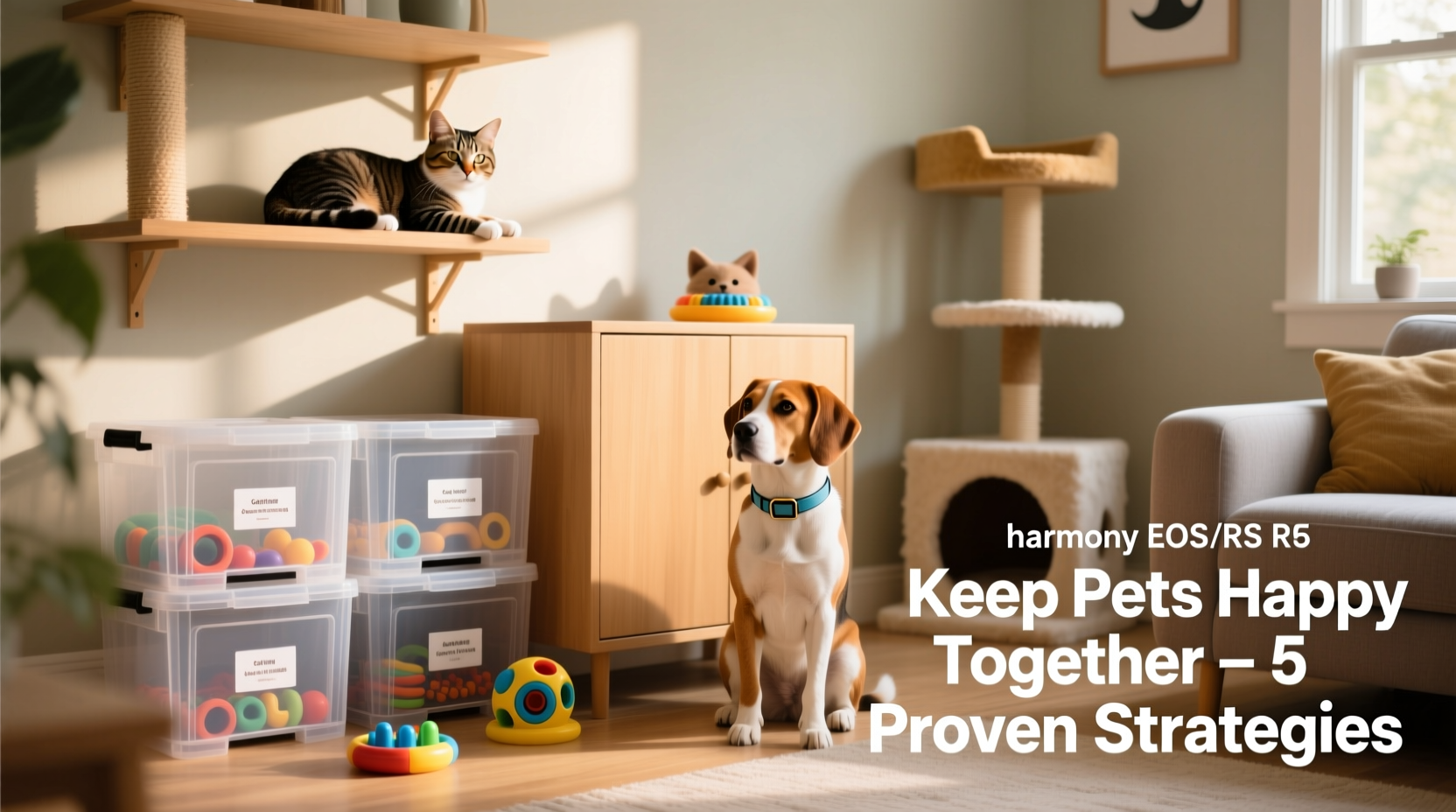
Dogs don’t steal cat toys out of malice—they’re driven by instinct, curiosity, and opportunity. Many cat toys resemble small prey: they’re light, make noise, or have erratic movements when batted around. For a dog with a strong prey drive or high play motivation, these items are irresistible. Additionally, dogs often view any object in motion as something to chase or retrieve.
Some breeds, such as terriers and herding dogs, are especially prone to chasing small, fast-moving objects. Even gentle dogs may pick up a cat’s toy simply because it’s novel and unattended. Over time, if the behavior is not addressed, it can become a learned habit—reinforced every time the dog gets attention or enjoys a solo play session with the stolen item.
Tip: Never laugh or react excitedly when your dog steals a cat toy—even playful scolding can reinforce the behavior by giving attention.Step-by-Step Guide to Prevent Toy Theft
Stopping the cycle of theft requires a combination of supervision, training, and smart household management. Follow this structured approach to create lasting change.
- Remove Access to Cat Toys When Unsupervised: Store cat toys in a closed drawer, basket behind a baby gate, or a room the dog cannot enter. This simple step prevents 90% of theft incidents.
- Provide High-Quality Alternatives for Your Dog: Equip your dog with durable, engaging toys that satisfy their chewing, fetching, and mental stimulation needs. Rotate these regularly to maintain interest.
- Train a Solid “Leave It” Command: Practice daily using treats and low-value items. Gradually increase difficulty until your dog reliably ignores cat toys on command.
- Supervise Interactions Initially: Monitor all shared-space activities during the first few weeks of intervention. Intervene calmly but firmly when toy interest arises.
- Reinforce Calm Behavior: Reward your dog with praise or treats when they ignore cat toys or choose their own. Positive reinforcement builds new habits faster than punishment.
Create Separate Play Zones
One of the most effective long-term solutions is establishing pet-specific zones. Cats thrive in elevated, quiet spaces where they feel safe; dogs benefit from open areas designed for activity. By structuring your home to support both species’ natural behaviors, you reduce competition and conflict.
Designate a cat-only area—such as a spare bedroom, closet, or sectioned-off corner—where the cat can play freely without fear of intrusion. Equip it with shelves, perches, scratching posts, and, of course, toys. Use baby gates with small gaps or pet doors that only the cat can access (via microchip or magnet collar) to restrict dog entry.
For the dog, create a defined play zone with chew toys, puzzle feeders, and fetch balls. Rotate toys weekly to maintain novelty. Consider interactive dog toys that dispense treats to redirect focus away from the cat’s belongings.
| Aspect | Cat Zone | Dog Zone |
|---|---|---|
| Location | Elevated shelf, quiet room | Open floor space, backyard |
| Toys | Feather wands, crinkle balls | Rope toys, Kongs, frisbees |
| Access Control | Microchip door, baby gate | Open or gated with dog-only entry |
| Key Benefit | Security and privacy | Physical and mental stimulation |
Training the “Leave It” Command Effectively
The “leave it” command is one of the most valuable tools in preventing unwanted behaviors. When properly trained, it gives you immediate control over your dog’s impulses. Here’s how to teach it in five short sessions:
- Hold a treat in a closed fist and say “leave it.” Wait until your dog stops sniffing or pawing and looks away or sits.
- Immediately reward with a different treat from your other hand. This teaches that ignoring the forbidden item leads to a better reward.
- Repeat until your dog consistently responds within seconds.
- Progress to placing the treat on the floor under your palm. Say “leave it,” cover it if needed, and reward compliance.
- Introduce real-life distractions—like a cat toy on the ground—and practice the command at increasing distances.
Consistency is key. Everyone in the household must use the same cue and reward system. With regular practice, most dogs master “leave it” within two to three weeks.
“Dogs respond best when boundaries are clear and consequences predictable. Teaching ‘leave it’ isn’t just about obedience—it’s about safety and respect in a multi-pet home.” — Dr. Lena Patel, Certified Animal Behaviorist
Mini Case Study: The Johnson Family’s Solution
The Johnsons adopted a rescue dog named Max, a high-energy Border Collie mix, while already having a shy tabby cat, Luna. Within days, Max began snatching Luna’s favorite crinkle ball and running off with it, causing Luna to hide under the bed for hours.
They tried yelling and taking the toy away, but Max only became sneakier. After consulting a trainer, they implemented a three-part strategy: installing a microchip-activated cat flap to Luna’s playroom, teaching Max the “leave it” command, and introducing daily puzzle feeders to occupy him mentally.
Within four weeks, the theft stopped entirely. Luna resumed playing openly, and Max learned to enjoy his own toys. The family reported a dramatic improvement in both pets’ moods and interactions.
Checklist: How to Stop Dogs from Stealing Cat Toys
- ✅ Store cat toys out of reach when not in use
- ✅ Designate separate play areas for each pet
- ✅ Train and reinforce the “leave it” command daily
- ✅ Provide enriching alternatives for your dog
- ✅ Supervise interactions during high-risk times
- ✅ Use physical barriers like baby gates or pet doors
- ✅ Reward calm, appropriate behavior immediately
- ✅ Rotate toys weekly to prevent boredom
Frequently Asked Questions
Can I let my dog and cat play together with toys?
Only under close supervision and after both pets show mutual tolerance. Start with large, neutral toys that neither has claimed and intervene at the first sign of tension. Most experts recommend keeping toy play separate to avoid resource guarding.
What if my dog only steals certain cat toys?
This usually means those toys trigger a specific instinct—such as squeaky sounds mimicking prey or soft textures ideal for shaking. Remove those items or replace them with less tempting alternatives, like silent felt balls. Redirect your dog to appropriate chew toys when interest arises.
Is this behavior a sign of dominance?
Not necessarily. While some dogs may guard resources, most toy theft stems from curiosity or play drive rather than social hierarchy. Focus on managing the environment and training instead of interpreting it as a power struggle.
Final Thoughts: Harmony Is Possible
Preventing your dog from stealing cat toys isn’t about punishment—it’s about understanding, planning, and consistency. Both animals deserve a home where they feel secure and entertained. By creating physical and behavioral boundaries, offering appropriate outlets, and reinforcing positive choices, you build an environment where peace isn’t just possible, it becomes the norm.
🚀 Ready to transform your multi-pet household? Start today by securing cat toys and practicing “leave it” for just five minutes. Small steps lead to big changes—your pets will thank you.








