For millions of cat owners, the joy of feline companionship comes with an unavoidable challenge: the lingering odor of the litter box. Even the most fastidious pet parents can struggle with persistent smells that seep into carpets, furniture, and airflow. But it doesn’t have to be this way. With the right combination of litter choice, cleaning habits, and environmental controls, you can maintain a virtually odor-free home — even with multiple cats.
The key lies not in masking smells with air fresheners, but in preventing odor at its source. Cat urine contains urea and uric acid, which break down into ammonia — a pungent gas that’s hard to eliminate once embedded. Feces contribute volatile organic compounds (VOCs) that intensify over time. Understanding these biological realities allows for smarter solutions grounded in hygiene, chemistry, and routine.
Choose the Right Litter: The Foundation of Odor Control
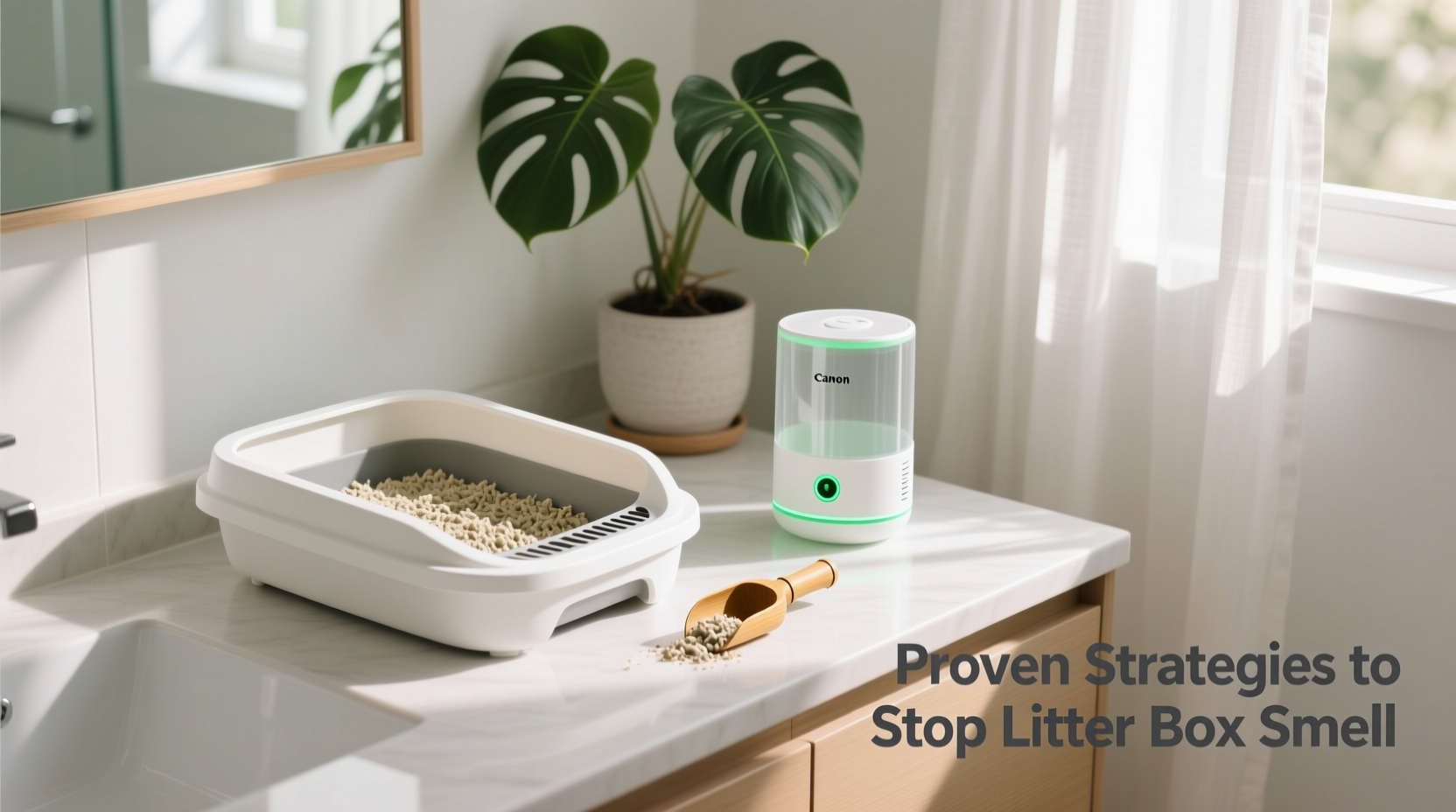
Litter selection is the single most impactful decision in managing litter box smell. Not all litters are created equal when it comes to odor absorption and clumping efficiency.
- Clay-based clumping litters are widely used for their ability to trap moisture and form tight clumps. However, many contain fragrances that only mask odors rather than neutralize them.
- Silica gel crystals absorb up to 40 times their weight in liquid and trap odors inside microscopic pores. These are excellent for low-maintenance setups but may not appeal to cats who dislike the texture.
- Plant-based litters made from corn, pine, or wheat are biodegradable and naturally deodorizing. Pine, in particular, releases aromatic oils that help neutralize ammonia.
- Scented vs. unscented: Avoid heavily perfumed litters. While they seem appealing, strong scents can irritate cats’ sensitive noses and deter use.
Optimize Cleaning Frequency and Technique
Daily scooping is non-negotiable. Waste left in the box for more than 12 hours begins bacterial decomposition, accelerating odor production. But how you scoop matters as much as when.
- Scoop solids and clumps at least once per day, preferably twice (morning and evening).
- Use a high-quality sifting scoop to remove fine particles and maximize litter retention.
- Replace 10–20% of the litter weekly to refresh absorption capacity.
- Completely empty and wash the tray every 3–4 weeks with mild, unscented soap and warm water. Avoid bleach unless absolutely necessary — residue can repel cats.
“Consistent daily maintenance reduces odor-causing bacteria by over 70% compared to weekly cleaning alone.” — Dr. Lena Torres, DVM, Feline Behavior Specialist
Strategic Placement and Ventilation
A poorly placed litter box amplifies odor issues. Many owners tuck boxes into laundry rooms or closets for discretion, but this traps smells in enclosed spaces with poor airflow.
| Recommended Placement | Avoid |
|---|---|
| Well-ventilated area with natural airflow | Enclosed closets or basements |
| Low-traffic zone with privacy | Next to noisy appliances (washer/dryer) |
| Near exhaust fans or open windows | Kitchens or dining areas |
| On hard, non-porous flooring | Carpeted areas (traps urine vapor) |
In multi-level homes, place one box per floor. Cats may avoid climbing stairs when urgency strikes, leading to accidents and increased odor sources.
Enhance Air Quality with Targeted Tools
While no device replaces proper cleaning, certain tools significantly reduce airborne odors:
- HEPA + carbon air purifiers: Units with activated carbon filters specifically target VOCs and ammonia. Place one near the litter area on continuous low setting.
- Odor-absorbing mats: Placed under the box, these capture tracked waste and prevent secondary contamination.
- Passive deodorizers: Open boxes of baking soda near (not in) the tray absorb ambient moisture and gases.
Step-by-Step Weekly Maintenance Routine
Follow this practical timeline to stay ahead of odors:
- Every morning: Scoop waste, check for tracking, wipe rim if needed.
- Every evening: Top off with fresh litter if levels are low.
- Twice weekly: Replace 15% of old litter; clean surrounding floor.
- Weekly: Wipe exterior of box with damp cloth; inspect for cracks or residue buildup.
- Monthly: Deep clean with warm water and mild detergent. Let dry fully before refilling.
This rhythm prevents odor accumulation while extending litter life and minimizing waste.
Real Example: Turning Around a Persistent Smell Problem
Sarah, a cat owner in Portland, struggled with a persistent ammonia smell despite daily scooping. Her two cats used a covered box in the basement, which she cleaned monthly. After consulting a vet behaviorist, she made three changes:
- Moved the box to a ventilated corner of the utility room.
- Switched from scented clay to unscented pine pellets.
- Added a compact air purifier with a carbon filter.
Within ten days, the odor vanished. “I didn’t realize how much the closed box was trapping smells,” Sarah said. “Now I barely notice the litter box exists.”
Common Mistakes That Worsen Odor
Avoid these pitfalls that undermine even the best intentions:
- Using too little litter: Less than 3–4 inches reduces clumping efficiency and increases odor release.
- Overfilling with baking soda: Mixing large amounts into litter can irritate paws and respiratory systems.
- Ignoring litter box size: Cramped boxes lead to waste outside the tray, increasing odor sources.
- Not replacing boxes regularly: Plastic trays absorb odors over time and should be replaced annually.
Frequently Asked Questions
How often should I change all the litter completely?
For clumping litter, a full change every 3–4 weeks is ideal. Non-clumping types may require weekly replacement. Always wash the tray thoroughly during changes.
Can I use vinegar to clean the litter box?
Yes, diluted white vinegar (1:1 with water) is effective for deep cleaning and safe when rinsed well. It neutralizes alkaline ammonia residues. Never mix vinegar with bleach.
Why does my house still smell after cleaning?
Residual urine may have soaked into flooring or baseboards. Use an enzymatic cleaner designed for pet odors to break down organic compounds at the molecular level.
Cat Litter Odor Control Checklist
Stay on track with this essential checklist:
- ☑ Scoop at least once daily
- ☑ Use unscented, high-absorption litter
- ☑ Keep litter depth at 3–4 inches
- ☑ Place box in a ventilated, accessible location
- ☑ Replace 10–20% of litter weekly
- ☑ Deep clean tray monthly
- ☑ Use a carbon-filter air purifier nearby
- ☑ Replace plastic trays yearly
- ☑ Monitor for changes in cat behavior (may indicate discomfort)
Final Thoughts: A Fresh Home Is Within Reach
Eliminating litter box odor isn’t about perfection — it’s about consistency. By combining smart litter choices, strategic placement, and disciplined cleaning, you can create a living space where guests won’t even guess you share your home with cats. The goal isn’t just odor control, but harmony: a clean, inviting environment that respects both your standards and your cat’s instincts.
💬 What’s your go-to trick for keeping the litter box fresh? Share your experience and help fellow cat owners breathe easier!








