Puppy biting is one of the most common challenges new dog owners face. While it may seem harmless at first—especially when those tiny teeth barely break the skin—it can quickly escalate into painful nips as your puppy grows. Biting at ankles, in particular, is not just annoying; it’s a learned behavior that, if left unaddressed, can become a persistent issue well into adulthood.
This behavior stems from natural puppy instincts. Puppies explore the world with their mouths, use mouthing during play, and often target moving objects—like feet and ankles—as part of their prey drive. The good news is that with consistent, humane training, you can redirect this behavior early and set your puppy up for a lifetime of polite interactions.
Understanding Why Puppies Bite Ankles
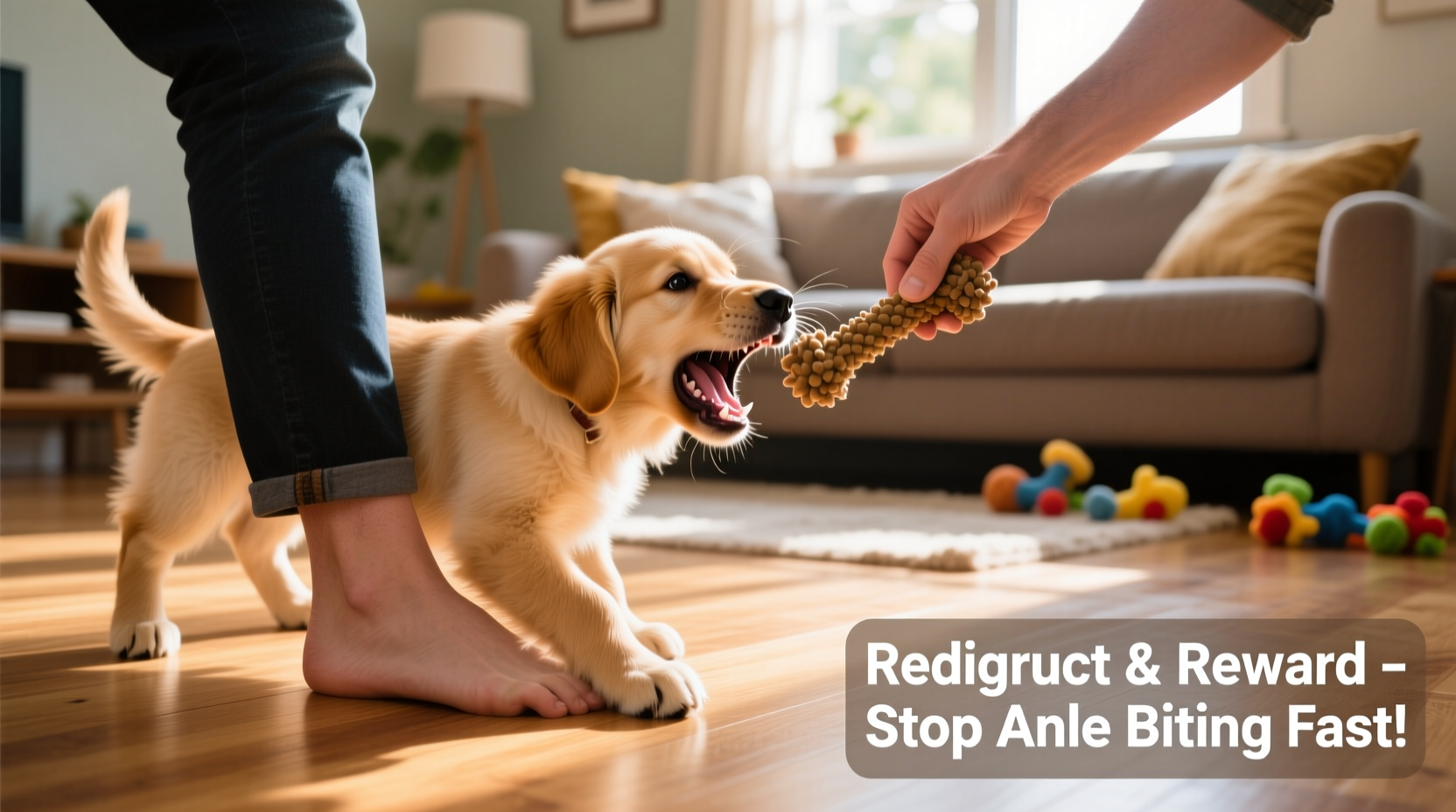
Puppies don’t bite out of aggression. Instead, ankle-biting is typically driven by three core motivations: exploration, play, and overstimulation.
- Exploration: Just like human babies, puppies use their mouths to learn about textures, shapes, and reactions. Your moving sock-covered foot might be the most interesting object in the room.
- Play Drive: Puppies naturally engage in mock hunting and chasing games. Fast-moving ankles trigger their instinct to chase and “capture” prey.
- Overexcitement: When a puppy becomes overstimulated—especially after being confined or ignored—they may release energy through sudden bursts of biting.
It’s crucial to avoid punishing a puppy for biting. Yelling, grabbing the mouth, or physical corrections can damage trust and increase fear-based behaviors. Instead, focus on redirection—teaching your puppy what *is* acceptable to bite.
Tip: Never use your hands as toys during play. Even gentle wrestling encourages biting and blurs the line between acceptable and unacceptable behavior.Effective Redirecting Techniques That Work
Redirecting means replacing an unwanted behavior (biting ankles) with a desired one (chewing a toy). This method leverages positive reinforcement, which builds long-term habits without fear or confusion.
- Carry a Toy at All Times
Keep a durable chew toy in your pocket or nearby. The moment your puppy lunges at your ankle, freeze in place and present the toy. When they switch focus and bite the toy instead, praise them enthusiastically and let them continue playing. - Use Time-Outs Strategically
If the biting persists, calmly end the interaction. Walk away or gently place the puppy in a safe, quiet space (like a puppy-proofed room or playpen) for 30–60 seconds. This teaches that biting = loss of attention and fun. - Engage in Structured Play
Instead of letting your puppy chase your feet, initiate controlled games like fetch or tug-of-war—with rules. For example, only allow tug when the puppy releases the toy on command (“drop it”). This channels their energy appropriately. - Teach the “Leave It” Command
Hold a treat in your closed hand and say “leave it.” When the puppy stops trying to get it, reward them with a different treat from your other hand. Once mastered, apply this to ankle-biting by using the cue when they lunge, then rewarding disengagement. - Manage the Environment
Wear closed-toe shoes around the house. Avoid running or quick movements that trigger chasing. Use baby gates to limit access during high-energy periods until impulse control improves.
The Power of Consistency
One mistake many owners make is inconsistency. If a puppy bites your ankle and sometimes gets attention (even negative), sometimes gets a toy, and sometimes gets ignored, they’ll keep testing boundaries. Everyone in the household must follow the same rules.
“Puppies thrive on predictability. When every bite results in the same consequence—loss of playtime or redirection to a toy—they learn faster and more reliably.” — Dr. Sophia Yang, Veterinary Behaviorist
Step-by-Step Training Timeline (First 4 Weeks)
Here’s a realistic, daily plan to reduce and eliminate ankle-biting within a month:
| Week | Daily Actions | Expected Progress |
|---|---|---|
| 1 | Identify triggers (e.g., post-nap excitement). Carry toys at all times. Redirect immediately. Use short time-outs (30 sec) for persistent biting. | Reduced frequency of biting. Puppy begins to recognize toys as alternatives. |
| 2 | Introduce “leave it” command. Increase play sessions with structured games. Practice in low-distraction areas. | Puppy responds occasionally to redirection. Fewer ankle attacks during calm moments. |
| 3 | Add distractions (e.g., practice near doorways). Reinforce “leave it” with real-life scenarios. Reward calm behavior proactively. | Most biting redirected successfully. Time-outs needed less frequently. |
| 4 | Test in high-energy situations (e.g., greeting guests). Phase out time-outs. Focus on reinforcing impulse control. | Minimal ankle-biting. Puppy chooses toys independently in most situations. |
Progress varies by breed, age, and temperament. Smaller breeds may mature faster; herding or high-drive breeds (like Border Collies or Jack Russells) may need extra patience.
Common Mistakes That Delay Progress
Even well-intentioned owners unknowingly reinforce biting. Watch out for these pitfalls:
- Moving while being bitten: Walking or jogging away encourages chasing. Instead, freeze completely—no movement means no reward.
- Inconsistent responses: One person ignores biting, another yells, another plays along. Uniformity is essential.
- Using inappropriate toys: Soft plush toys may encourage more aggressive shaking. Opt for rubber chew toys (e.g., Kongs) or rope tugs designed for puppies.
- Over-handling: Picking up a puppy mid-bite can turn it into a game. Wait until they’re calm, then redirect or remove them quietly.
Mini Case Study: Turning Around Max, the Terrier Mix
Max, a 12-week-old terrier mix, joined his family full of energy and affection—but also a habit of ambushing ankles. Every morning, as his owner put on shoes, Max would dart in and nip at socks, drawing blood twice.
The family started carrying a crinkly rope toy and kept it near the front door. On day one, when Max lunged, the owner froze, held out the toy, and praised him when he bit it instead. After three failed attempts, Max was placed in a playpen for 45 seconds.
By day five, Max anticipated the toy and went straight for it during shoe-tying. Within two weeks, ankle attacks dropped from 10+ per day to zero. The key? Everyone in the home used the same response, and Max learned that self-control led to more playtime.
Checklist: How to Stop Puppy Ankle-Biting (Printable Guide)
Use this checklist daily for the first month to stay on track:
- ☑ Keep a chew toy accessible at all times
- ☑ Freeze immediately when bitten—don’t move
- ☑ Redirect to a toy within 3 seconds of biting
- ☑ Use a 30–60 second time-out for repeated biting
- ☑ End play sessions if biting escalates
- ☑ Practice “leave it” command 2x daily
- ☑ Reward calm behavior with treats or pets
- ☑ Ensure all family members follow the same rules
- ☑ Avoid rough play involving hands or feet
- ☑ Schedule regular exercise and mental stimulation
Frequently Asked Questions
Is it normal for my puppy to bite me but not others?
Yes. Puppies often test boundaries more with primary caregivers. They may feel safest with you, so they express excitement or frustration more freely. It doesn’t mean they dislike others—it means they trust you enough to be themselves.
When will my puppy stop biting altogether?
Most puppies significantly reduce mouthing by 4–6 months as adult teeth come in and they learn bite inhibition. However, some playful nipping can continue until 8–10 months, especially in high-energy breeds. Consistent training ensures it doesn’t become a habit.
Can teething cause more biting?
Yes. Between 3–7 months, puppies lose baby teeth and grow adult ones. Chewing soothes sore gums. Provide frozen washcloths or chilled rubber toys to ease discomfort and redirect chewing appropriately.
Final Thoughts: Building a Calm, Confident Companion
Stopping a puppy from biting ankles isn’t about dominance or punishment—it’s about communication. Your puppy is asking how to interact, and your response shapes their understanding of the world. By redirecting consistently, you teach them that self-control leads to rewards, that stillness earns attention, and that toys—not skin—are for biting.
The habits formed in these early months lay the foundation for a well-mannered adult dog. A puppy who learns to choose a toy over your ankle is not just better behaved; they’re more confident, less anxious, and deeply attuned to your cues.
💬 Have a success story or challenge with puppy biting? Share your experience in the comments—your insight could help another pet parent navigate this tough but temporary phase.








