Gratitude journaling is more than a passing wellness trend—it’s a research-backed practice linked to improved mental health, increased resilience, and greater life satisfaction. Yet, many people begin with enthusiasm only to abandon their journals within weeks. The issue isn’t motivation; it’s structure. Without the right prompts, layout, and routine integration, even the best intentions fade.
This guide focuses on practical design and behavioral strategies that make gratitude journaling sustainable. You’ll learn how to choose an approach that fits your lifestyle, avoid common pitfalls, and build a habit that endures beyond the first few entries.
Why Most Gratitude Journals Fail—and How to Avoid It
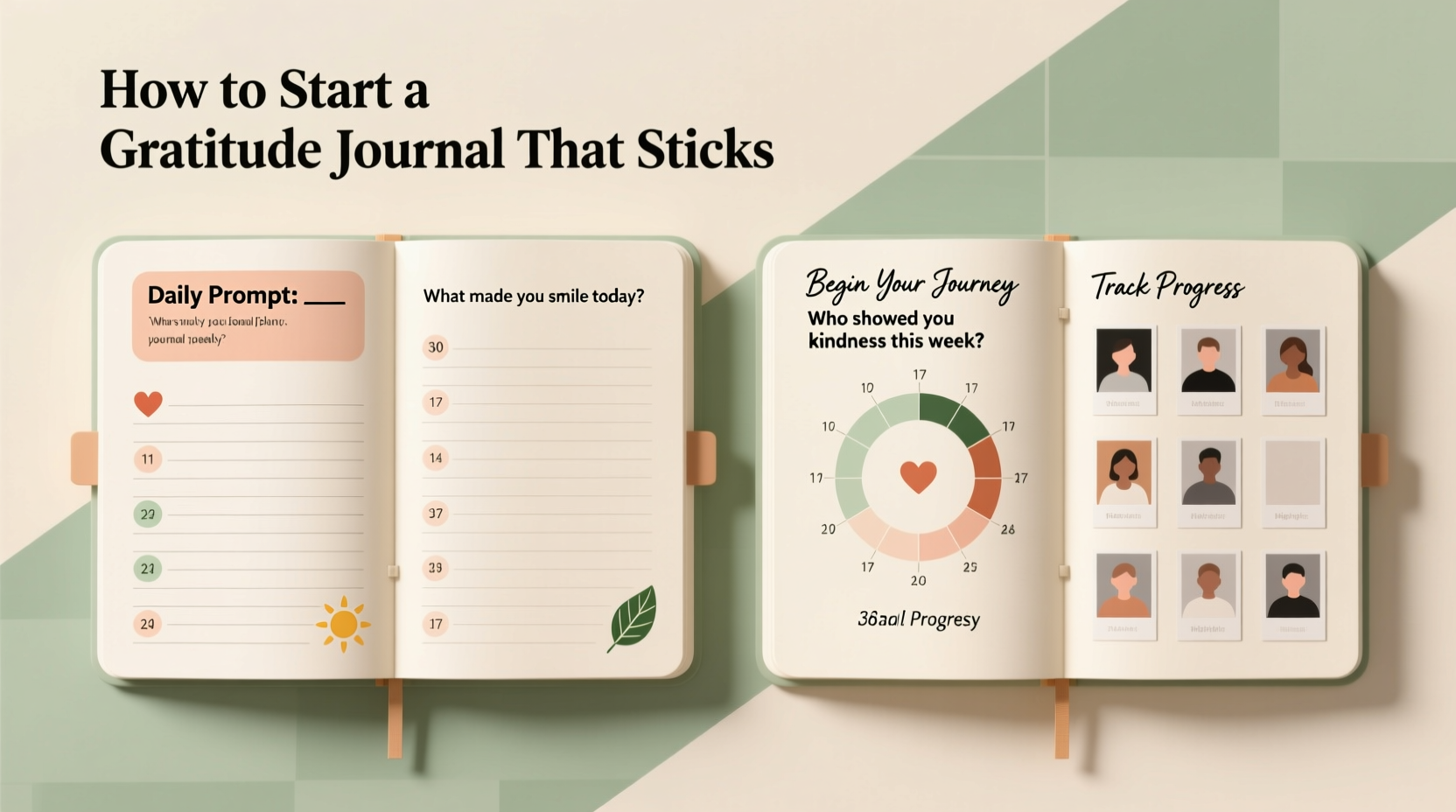
The simplicity of “write down what you’re grateful for” is both a strength and a weakness. Without guidance, entries become repetitive—“I’m grateful for my family, my dog, coffee”—and the act loses emotional resonance. Over time, this repetition breeds disengagement.
Research from the University of California, Berkeley suggests that depth matters more than frequency. Participants who wrote in detail about three meaningful experiences weekly showed greater increases in well-being than those who listed items daily without reflection.
“Gratitude works best when it moves beyond surface-level acknowledgment and into emotional engagement.” — Dr. Robert Emmons, gratitude researcher and psychology professor at UC Davis
The key to sustainability lies in variety, intentionality, and ease of use. A journal that feels like a chore won’t last. One designed for insight, curiosity, and minimal friction will.
Tip: Start small. Even two sentences a day can create lasting change if done consistently.Step-by-Step Guide to Building a Sustainable Gratitude Practice
Creating a journaling habit that lasts requires more than buying a notebook. It demands thoughtful planning around timing, format, and content. Follow these steps to set up a system that supports long-term use.
- Choose Your Medium: Decide whether you prefer analog (paper notebook) or digital (notes app, journaling app). Paper reduces screen exposure and enhances memory retention, while digital offers searchability and reminders.
- Pick a Realistic Time: Anchor journaling to an existing habit—after brushing your teeth, during morning coffee, or right before bed. Consistency beats duration.
- Set Up Your Layout: Design a template that guides your writing without overwhelming you. Use sections or columns to organize thoughts efficiently.
- Curate a Prompt Bank: Rotate prompts to prevent stagnation. Have at least 20 ready so you never face a blank page.
- Review Weekly: Dedicate five minutes each week to read past entries. This reinforces positive memories and highlights patterns in what brings you joy.
By building these elements into your routine from day one, you reduce decision fatigue—the biggest obstacle to consistency.
Effective Journal Layouts That Work Long-Term
The physical or digital layout of your journal determines how easy it is to write regularly. A cluttered or confusing format discourages use. Below are three proven templates, each suited to different personalities and goals.
| Layout Type | Best For | Structure | Pros | Cons |
|---|---|---|---|---|
| Daily Bullet Format | Busy professionals, minimalists | 3 bullet points per day using short phrases | Fast (under 2 min), low effort, scannable | Limited depth; may feel robotic |
| Reflective Paragraph Style | Deep thinkers, writers, therapy users | One paragraph answering a single prompt | Encourages emotional processing, builds self-awareness | Takes longer (5–10 min), may intimidate beginners |
| Weekly Spread + Daily Check-In | Planners, visual organizers | Weekly theme with daily micro-notes in a grid | Balances consistency and reflection, integrates with planners | Requires advance setup, less spontaneous |
If you're just starting out, begin with the Daily Bullet Format. Its speed lowers the barrier to entry. As the habit stabilizes, experiment with deeper styles.
Tip: Use colored pens or highlighters sparingly to mark standout moments. Visual cues reinforce positive emotions.Powerful Prompts That Keep Entries Fresh and Meaningful
Prompts transform generic lists into meaningful reflections. They direct attention to overlooked blessings and encourage emotional specificity. Rotate through categories to maintain engagement.
Everyday Moments
- What small pleasure did I enjoy today?
- When did I laugh today, and why?
- What comfort made my day easier?
People & Relationships
- Who supported me this week, even in a small way?
- What trait do I admire in someone close to me?
- Who made me feel seen or heard lately?
Personal Growth
- What challenge taught me something valuable?
- When did I surprise myself with courage or patience?
- What skill am I improving, and how does it enrich my life?
Sensory & Nature-Based
- What sound brought me peace this week?
- Describe a color, scent, or texture I appreciated.
- Where in nature did I feel most alive recently?
Looking Backward & Forward
- What would my younger self be proud of me for now?
- What am I looking forward to, and why?
- If today were perfect, what moment would stand out?
Keep a running list of your favorite prompts. When motivation dips, pull one at random—it adds an element of discovery.
“Variety in gratitude expression prevents habituation. Just like muscles, our appreciation needs new stimuli to grow.” — Dr. Sara Algoe, social psychologist specializing in relationships and well-being
Real Example: How Maya Made Her Journal Stick for 18 Months
Maya, a 34-year-old project manager, tried journaling twice before. Both attempts lasted less than two weeks. “I’d write ‘I’m grateful for my job’ and then stare at the page,” she said. “It felt fake.”
Her breakthrough came when she switched to a weekly spread format in her planner. Each Sunday, she chose a theme: kindness, quiet moments, learning, connection. During the week, she jotted one-line notes in the corresponding day’s box—no full sentences required.
On Saturdays, she spent ten minutes expanding one note into a brief reflection. One week, her theme was “small wins.” Her daily notes included: “finished presentation early,” “neighbor waved hello,” “found parking instantly.” She expanded the last one: “That parking spot felt like a gift. It saved me from rushing, let me breathe, and started my day with a win.”
Eighteen months later, Maya still uses the same method. “It doesn’t feel like homework. It’s like collecting little pieces of joy throughout the week.”
Checklist: Launch Your Gratitude Journal in One Evening
Follow this checklist to set up your journal in under an hour. Do it once, and you’ll save hours of hesitation later.
- ☐ Choose your journal type (notebook, app, printable)
- ☐ Select a consistent time and trigger (e.g., after dinner, post-shower)
- ☐ Pick a layout from this guide and sketch the first week
- ☐ Write or print 20 gratitude prompts (use the list above)
- ☐ Set a phone reminder for the first seven days
- ☐ Schedule a 10-minute weekly review session (same day/time)
- ☐ Store your journal where you’ll see it (bedside table, open tab)
Completing this checklist removes ambiguity. You won’t have to decide what to write or when—you’ll already know.
Frequently Asked Questions
How long should I spend journaling each day?
Two to five minutes is sufficient. Research shows that even brief, consistent entries yield benefits. If you’re using a reflective format, aim for no more than 10 minutes to avoid burnout.
What if I miss a day?
Don’t restart. Just continue. Perfectionism kills habits. Missing a day doesn’t erase progress—consistency over time does. If you skip several days, simply note: “I’m grateful I’m trying again.” That’s enough to re-engage.
Can I reuse prompts?
Yes, but not too often. Repeating a favorite prompt every few months can reveal growth (“How has my answer changed since last time?”). However, relying on the same three prompts weekly leads to autopilot writing. Aim for 70% new, 30% familiar.
Make Gratitude a Living Practice, Not a Checklist
A gratitude journal shouldn’t feel like another task to complete. When designed with care, it becomes a mirror—a place to notice what truly matters amid life’s noise. The prompts, layouts, and routines outlined here aren’t rigid rules but tools to help you discover what resonates.
The most effective journal is the one you actually use. It might be messy, inconsistent at times, or filled with simple observations. That’s not failure—it’s authenticity. What matters is showing up, even briefly, to acknowledge the good that exists alongside life’s challenges.
💬 Start tonight. Open a notebook or app, write one sentence of genuine appreciation, and close it. Repeat tomorrow. In three months, look back—you’ll be surprised by how much light you’ve collected along the way.








