
For decades, Alien Monster toys have captivated collectors with their eerie designs, limited releases, and nostalgic appeal. From vintage 1970s vinyl figures to modern resin reissues, these collectibles command high prices—especially when original and in mint condition. But with rising demand comes a surge in counterfeits. Fakes range from crude knockoffs to sophisticated reproductions that can fool even seasoned collectors. Knowing how to identify genuine pieces isn’t just about preserving value—it’s about protecting the integrity of your collection.
Understand the History and Origins
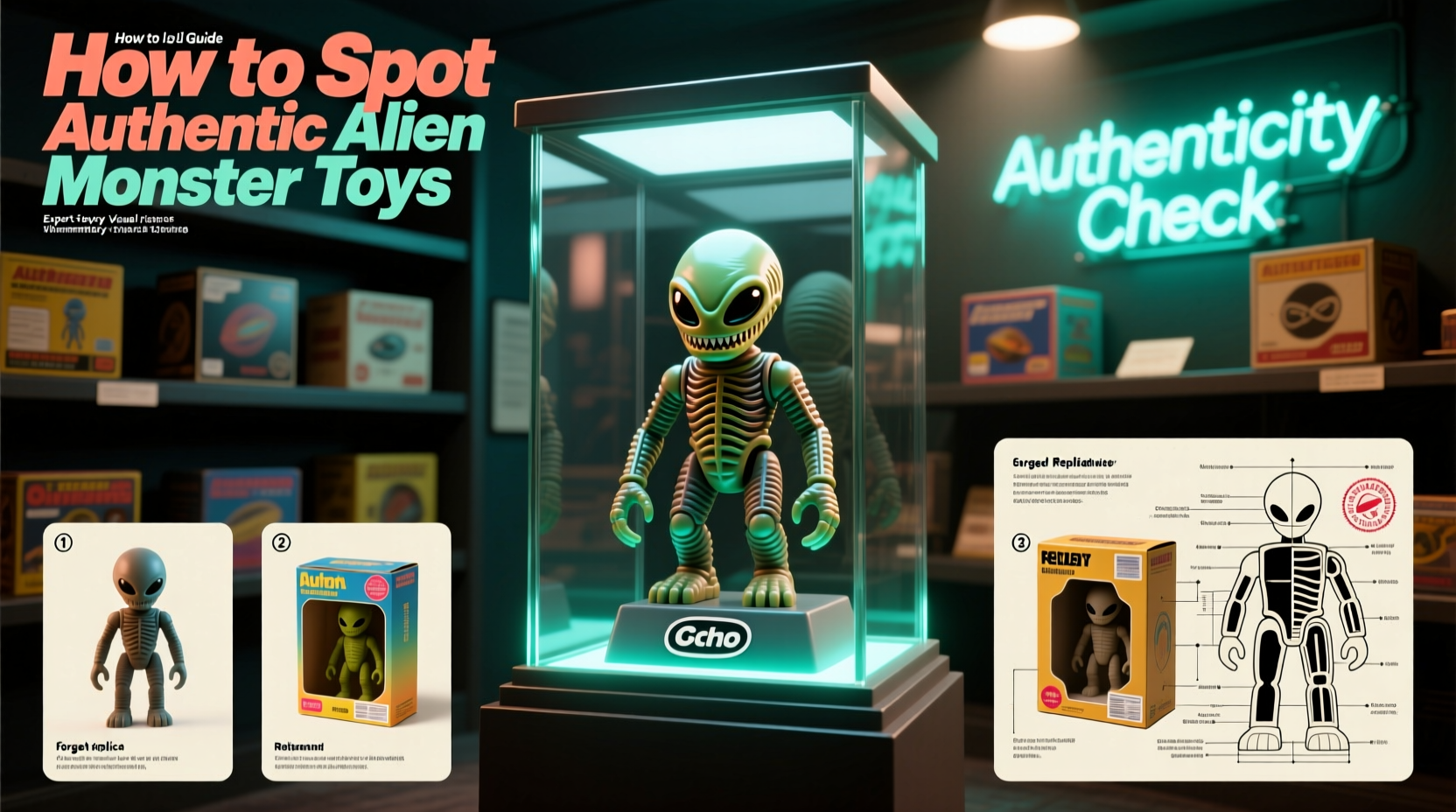
The first wave of Alien Monster toys emerged in the late 1960s and early 1970s, primarily manufactured by small European and American companies. These early figures were often made of soft vinyl, hand-painted, and sold in simple cardboard boxes or plastic blister packs. Companies like Geyper, Louis Marx, and MPC released iconic lines featuring grotesque extraterrestrials, mutant creatures, and sci-fi hybrids. Because production was limited and documentation sparse, many details are now lost to time—making authentication both challenging and essential.
Modern re-releases and licensed reproductions have added complexity. Some are officially sanctioned, bearing trademarks and certification labels. Others exploit the lack of public records to pass off replicas as originals. A foundational step in spotting fakes is understanding the timeline: what materials were used when, which companies produced what, and how packaging evolved over time.
“Authenticity begins with context. If a toy claims to be from 1972 but uses paint techniques not available until the '80s, it’s a red flag.” — Daniel Reeves, Vintage Toy Authentication Specialist
Key Physical Indicators of Authenticity
When evaluating an Alien Monster toy, start with a close physical inspection. Genuine vintage pieces exhibit characteristics that are difficult to replicate accurately.
Material and Weight
Original vinyl figures from the 1970s have a distinct softness and slight flexibility. They’re not brittle. Counterfeits often use harder PVC or lower-grade plastics that feel lighter and more rigid. Compare weight: authentic toys typically have a heft due to denser vinyl and thicker casting.
Paint Details and Finish
Hand-painted finishes on vintage models show subtle variations—slight brushstrokes, minor inconsistencies in color placement, or tiny imperfections. Uniform, machine-perfect paint jobs on older-style figures are suspicious. Also, check for paint migration: on real aged vinyl, paint may have slightly seeped into seams over decades. Fakes rarely mimic this naturally.
Mold Lines and Seam Marks
Authentic vintage toys often have visible mold lines along the back or limbs—this was standard in low-pressure casting. However, these lines are usually clean and consistent. Poorly aligned seams, excessive flashing (excess plastic), or mismatched halves indicate amateur molds common in counterfeits.
Tip: Use a 10x magnifying loupe to examine seam precision and paint edges—subtle flaws often confirm authenticity.Decoding Packaging and Labels
Packaging is one of the most telling clues. Many collectors focus solely on the figure, but counterfeiters often skimp on accurate box reproduction.
- Cardboard Quality: Original boxes used specific paper stock—thick, slightly textured, with muted gloss. Modern glossy or flimsy cardboard is a warning sign.
- Typography: Study logo fonts, spacing, and alignment. Reproductions frequently use digital fonts that don’t match period typefaces.
- Barcode Presence: Pre-1975 items should never have barcodes. Their presence on a “vintage” box is an instant red flag.
- Back-of-Box Art: Look for copyright dates, manufacturer names, and country of origin. Missing or incorrect info suggests a fake.
| Feature | Authentic Indicator | Red Flag |
|---|---|---|
| Figure Material | Soft, flexible vinyl | Brittle or lightweight plastic |
| Paint Application | Slight variation, hand-finished look | Machine-perfect, airbrush-uniform |
| Mold Seams | Clean, consistent lines | Misaligned, excessive flashing |
| Box Printing | Faded ink, period-correct fonts | Vivid colors, modern sans-serif fonts |
| Markings | Copyright symbol ©, factory codes | No markings or generic “Made in China” |
Step-by-Step Verification Process
Follow this sequence when assessing a potential acquisition:
- Research the Model: Identify the exact name, release year, manufacturer, and known variants. Use collector forums, auction archives, and reference books like The Official Guide to Sci-Fi Figurines.
- Inspect the Figure: Check material, paint, seams, and base markings under good lighting and magnification.
- Examine the Packaging: Verify box design, text, and printing quality against authenticated examples.
- Cross-Check Markings: Look for factory stamps, mold numbers, or copyright symbols. For example, genuine Geyper monsters often have “G” or “GY” etched near the foot.
- Consult Expert Databases: Submit photos to verified collector groups or use platforms like ToyID or RepliChecker for comparison.
- Verify Provenance: If possible, obtain history—original receipt, previous owner documentation, or auction record.
Real Example: The Case of the \"Neon Ghoul\"
In 2021, a collector in Ohio purchased a rare “Neon Ghoul” figure from the 1973 MPC line, advertised as mint-in-box for $1,200. Initial photos looked promising: intact blister pack, vibrant colors, and original box. But upon arrival, subtle issues emerged. The figure felt too light. Closer inspection revealed perfectly symmetrical paint lines—unnatural for a hand-finished piece. The box had a barcode and used Helvetica font, neither of which existed in MPC packaging at the time. After submitting images to the International Toy Authentication Network, experts confirmed it was a high-end reproduction using 3D-scanned molds. The collector avoided further losses and reported the seller. This case underscores why tactile and historical knowledge matters more than visual appeal alone.
Essential Checklist for Buyers
Before purchasing any Alien Monster toy, run through this checklist:
- ✅ Confirmed manufacturer and release date
- ✅ Correct material type (vinyl, resin, etc.) for era
- ✅ Consistent paint style and aging signs
- ✅ Matching mold lines and part numbers
- ✅ Packaging matches documented original design
- ✅ No anachronistic elements (e.g., barcodes, modern logos)
- ✅ Verified seller reputation and return policy
Frequently Asked Questions
Can I trust online sellers who claim “original vintage”?
Not without verification. Even reputable marketplaces host counterfeiters. Always request detailed photos of the figure, packaging, and any markings. Ask for provenance if possible. When in doubt, consult a third-party authenticator before paying.
Are reissues considered valuable?
Licensed reissues can be collectible, especially limited editions. However, they are not as valuable as originals. Always check for disclaimers like “Reproduction” or “Reissue” on the packaging. Unmarked reissues passed as originals are deceptive and devalue the market.
How do I find expert appraisers?
Join established communities such as the Vintage Sci-Fi Collectors Guild or the International Action Figure Association. Many certified appraisers offer paid verification services, typically costing $25–$75 per item. Look for those with documented experience and published reference work.
Final Thoughts: Protect Your Passion
Collecting Alien Monster toys is more than a hobby—it’s a connection to pop culture history, craftsmanship, and imagination. But with great passion comes responsibility. Every purchase you make shapes the market. By learning to distinguish authentic pieces from fakes, you protect not only your investment but also the legacy of these unique creations.
Stay curious. Stay skeptical. And always verify before you buy.
💬 Have you uncovered a fake—or saved a gem? Share your story in the comments and help fellow collectors stay one step ahead.








